
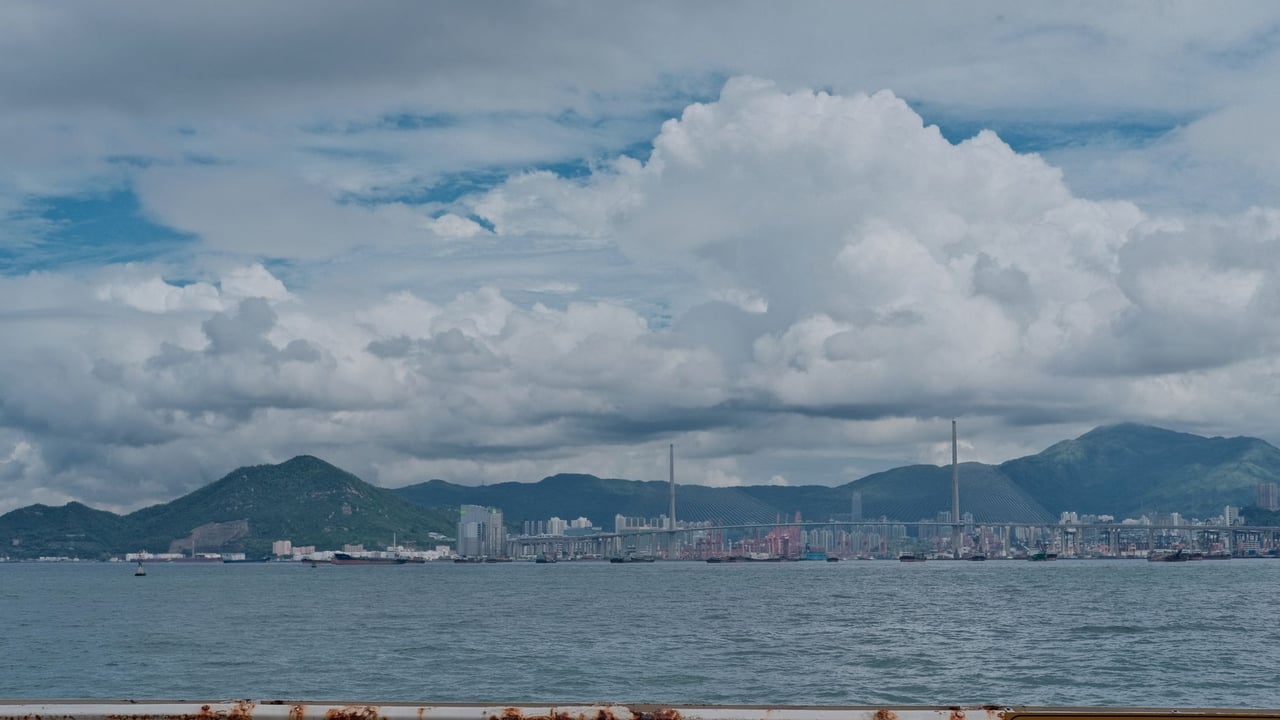

The skyline of Victoria Harbour, usually defined by the towering glass of global finance, has increasingly shared its silhouette with the grey steel of the People’s Liberation Army Navy (PLAN). As Hong Kong marks the anniversary of its 1997 return to Chinese sovereignty, a new visual chronicle from state media highlights the frequency and scale of naval visits to the city. These deployments are no longer mere ceremonial stopovers but are calibrated displays of national integration and maritime reach.
Since the implementation of the National Security Law in 2020, the presence of the PLA in Hong Kong has transitioned from a discreet garrison toward a high-visibility symbol of the central government’s authority. The arrival of advanced destroyers and frigates serves a dual purpose: it reassures the pro-Beijing establishment of the mainland’s protection while signaling to the international community that the era of 'One Country, Two Systems' has entered a phase of definitive mainland primacy. For the residents of Hong Kong, these visits are often framed as 'patriotic education' opportunities, designed to foster a sense of national identity through the lens of military modernization.
The evolution of the vessels dispatched to the Fragrant Harbour reflects the broader trajectory of China’s naval ambitions. Where once the garrison relied on modest patrol boats, the harbor now hosts sophisticated Type 052D destroyers and occasionally hints at the proximity of carrier strike groups. This shift underscores a message to both domestic and foreign audiences: the PLA Navy is not just a coastal defense force but a blue-water power capable of securing China’s 'maritime rights and interests' right up to the docks of its most international city.
Visual storytelling, such as the latest 'visual record' released by China Military Online, plays a crucial role in normalizing this military presence. By emphasizing the aesthetic grandeur of the ships against the Hong Kong backdrop, Beijing seeks to rewrite the city’s identity from a Western-leaning colonial outpost to a strategic bastion of the Chinese motherland. These images act as a potent form of soft power, or 'sharp power,' intended to cultivate a public narrative of pride, security, and inevitable integration.