
Technology & AI News
Latest technology & ai news and updates

China's Icebreaker Xue Long Completes 12 Arctic Ice Station Operations
Researchers deployed over 30 ice-based buoys and profiling floats to collect continuous climate data across the central Arctic Ocean.

China Connects Green Power to AI Hubs as Computing Electricity Surges
Computing centers are projected to consume 800 billion kilowatt-hours by 2030, prompting direct green power integration.

China's Quantum Computing Sector Shifts Toward Industrial Delivery
Industry leaders and policy roadmaps pivot from lab-scale qubit metrics toward standardized engineering and hybrid computing workflows.

China Targets Transportation AI Push Across Rail, Road, and Logistics
Transport regulators outline 41 priority scenarios to shift safety oversight toward predictive early warning and automated operations.

China Honors Shenzhou-21 Crew Following Seven-Month Orbit Record
Top state and military bodies award medals to commander Zhang Lu, engineer Wu Fei, and payload specialist Zhang Hongzhang.
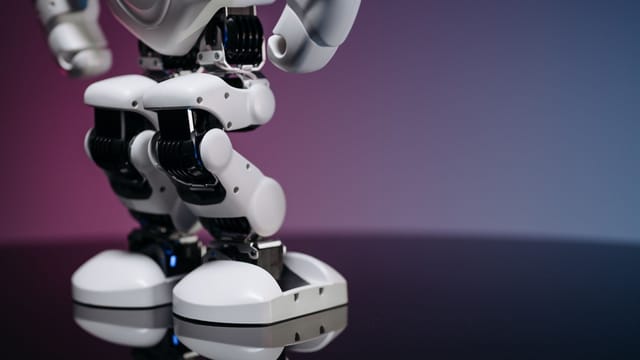
Moxin AI Forms Industry-Academia Alliance to Scale Sparse Computing
The startup aims to lower AI inference costs and overcome software ecosystem bottlenecks through full-stack sparse architecture collaboration.

Chinese Scientists Develop High-Power Primary Lithium Battery for Extreme Conditions
Researchers at CAS Dalian institute report a 25 Ah primary lithium metal cell delivering high energy density and high discharge rates.
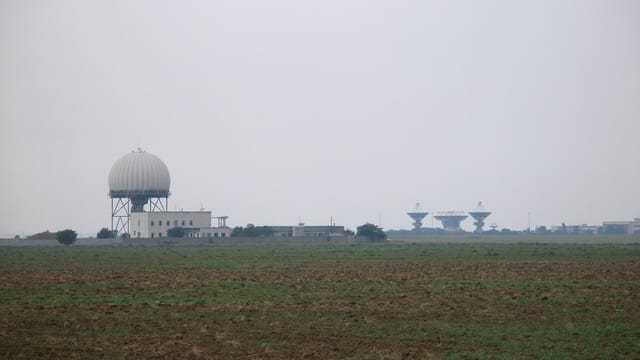
China Prepares Chang'e-7 Lunar South Pole Probe for Upcoming Launch
The Chang'e-7 spacecraft and Long March-5 rocket have completed vertical transfer to the pad at Wenchang for a lunar south pole exploration mission.

Sichuan Deploys 81 Rainfall Radar Stations to Bolster Mountain Flood Early Warnings
A phased-array radar network covering high-risk terrain helps Southwest China reduce disaster forecasting blind spots and facilitate early evacuations.

Ant Group Launches AI Agent Foundation and Cross-Device Protocol
Alipay unveils an agent commercial platform and the AHA protocol, projecting an acceleration in commercial AI agent adoption within 6 to 12 months.

China Deploys Fully Domestic Industrial Internet Platform for Nuclear Sector
CNNC Control completes deployment of a full-stack domestic digital platform bridging DCS control systems and operational data.
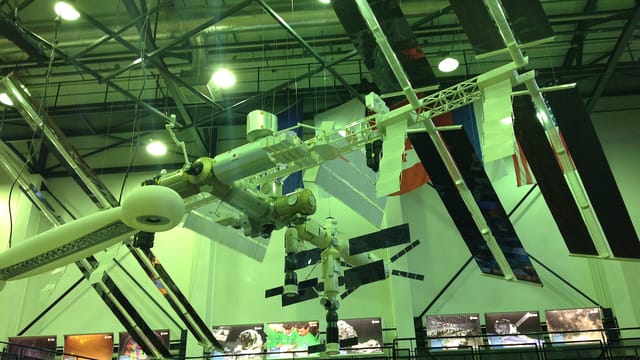
China Launches SEO Satellite Aboard Long March-2C Carrier Rocket
The mission from Taiyuan Satellite Launch Center marks the 664th flight of the Long March rocket family as orbital operations begin.