
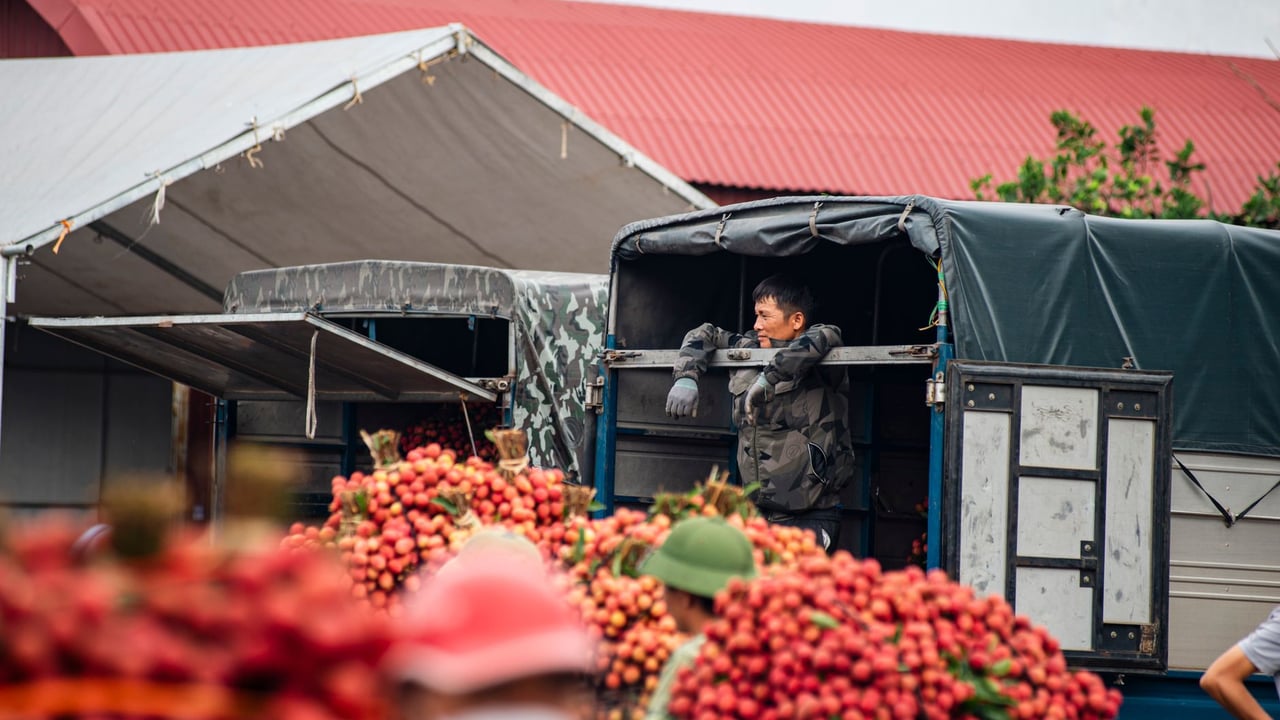

Vietnam’s fruit and vegetable industry is at a critical crossroads as it attempts to solidify its presence in the lucrative Chinese market. With a target of $5.5 billion in exports to China by 2025, Hanoi is realizing that the old model of high-volume, low-margin fresh fruit exports is no longer sustainable. The catalyst for this shift is a markedly more stringent regulatory environment in Beijing, which has significantly raised the bar for quality, traceability, and phytosanitary compliance.
Recent data from Vietnam’s Ministry of Agriculture and Rural Development highlights the scale of this regulatory integration. While Vietnam has issued over 9,500 production unit codes and 1,500 packaging facility codes to date, only a portion have received the final nod from Chinese customs authorities. This bottleneck underscores a new reality: obtaining a permit is merely the entry fee, while maintaining consistent adherence to evolving Chinese standards is the permanent cost of doing business.
To mitigate the risks of seasonal gluts and technical barriers, Vietnamese firms like the Dong Giao Food Export Joint Stock Company (DOVECO) are pivoting toward deep processing. By transitioning from fresh fruit to value-added products such as concentrated juices, purees, and frozen items, exporters can bypass some of the logistical volatility inherent in fresh produce. This industrial upgrade not only captures higher margins but also aligns with the demands of an increasingly sophisticated Chinese middle-class consumer base.
The strategic push for a "green channel" for compliant exporters remains a top priority for Vietnamese trade officials. As China’s fruit retail market is projected to reach 1.8 trillion RMB by 2026, the competition among Southeast Asian nations is intensifying. For Vietnam, the ability to modernize its supply chain and institutionalize digital traceability will determine whether it remains a dominant supplier or loses ground to regional rivals like Thailand and Cambodia.