
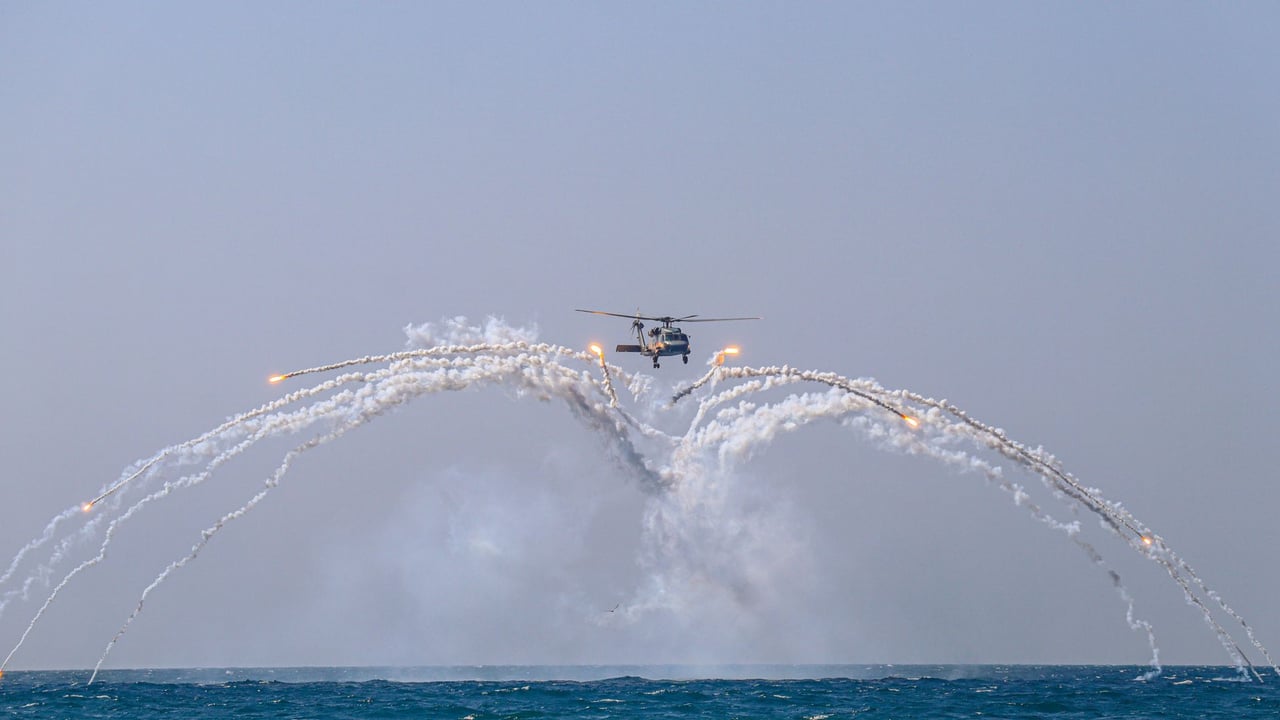

A high-stakes search and rescue operation is currently underway in the Arabian Sea following the emergency water landing of a U.S. Navy MH-60S Seahawk helicopter on July 1. The aircraft, which was operating as part of the USS George H.W. Bush carrier strike group, went down during routine maneuvers, prompting an immediate response from naval assets stationed in the region.
Of the four crew members on board at the time of the incident, three have been successfully recovered and are reported to be in stable condition. U.S. Naval Forces Central Command has confirmed that specialized teams are utilizing all available resources to locate the fourth missing sailor. The identity of the personnel involved is being withheld pending standard notification protocols.
Initial assessments from military officials indicate that the ditching was not the result of hostile activity or enemy fire. While the specific cause of the emergency remains unknown, the incident highlights the extreme operational rigors faced by naval aviation in the Middle East. High ambient temperatures and corrosive salt-air environments frequently present significant maintenance and performance challenges for carrier-based rotocraft.
The MH-60S Seahawk is a critical multi-mission asset for the Navy, serving as the primary platform for search and rescue, medical evacuation, and vertical replenishment. A formal investigation into the mechanical or atmospheric factors that led to this water landing is expected to follow, as the Navy seeks to ensure the continued safety of its global aviation fleet.