
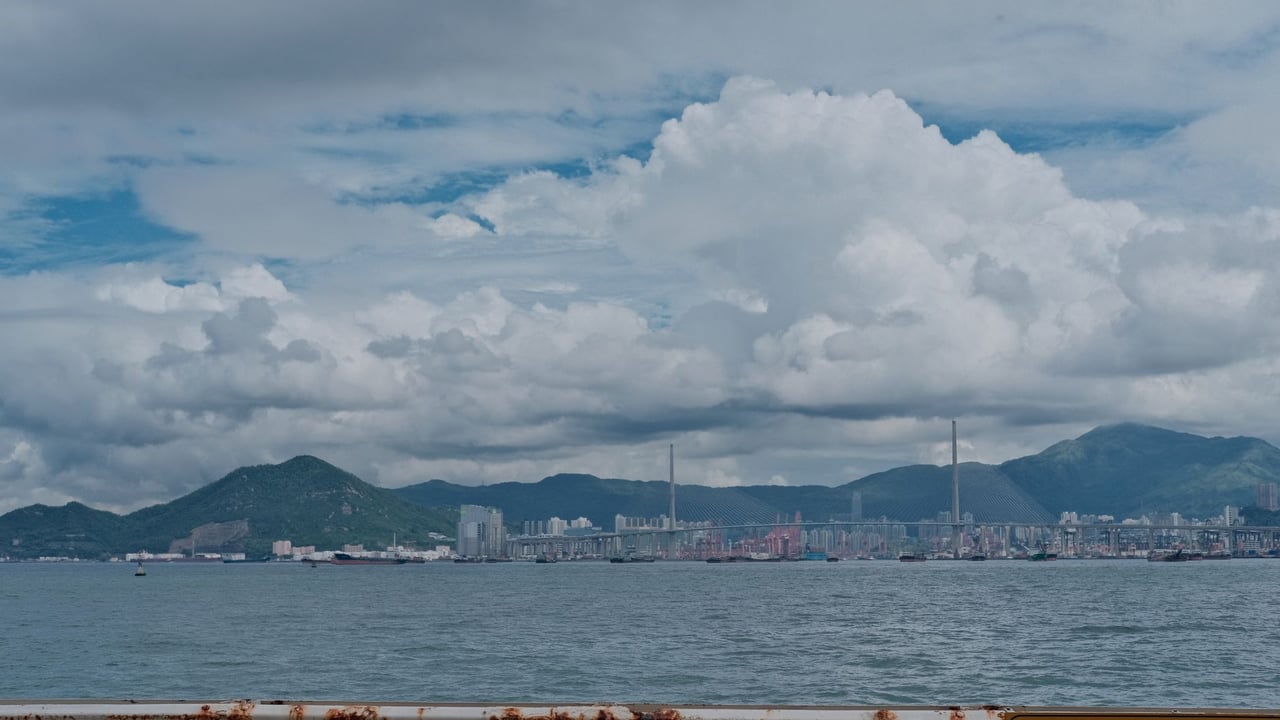

The arrival of the Type 052D guided-missile destroyer Nanning and the Type 054A frigate Hengyang in Hong Kong waters this week represents more than a routine port call. Steaming into the harbor just one day after the 29th anniversary of the city’s handover from British to Chinese rule, the presence of these sophisticated warships serves as a high-definition broadcast of Beijing’s consolidated authority over the special administrative region.
While the People’s Liberation Army (PLA) has maintained a garrison in Hong Kong since 1997, the visibility of its most modern naval assets has increased in recent years. The Nanning, a workhorse of China’s blue-water navy, is equipped with advanced phased-array radar and vertical launch systems, symbolizing the rapid technological leap the PLA Navy has taken over the last decade. Its presence in the iconic Victoria Harbour is a visceral reminder of the integration between the city’s destiny and the mainland’s military trajectory.
For the local administration and Beijing, these visits are essential tools for 'patriotic education.' By opening these vessels to the public and invited guests, the authorities aim to foster a sense of national pride and security among a population that, less than a decade ago, was defined by civil unrest. The message is clear: the era of ambiguity regarding Hong Kong’s status is over, replaced by a firm integration into the national security architecture of the People’s Republic.
Beyond the symbolic, the visit carries weight in the broader context of the South China Sea. As maritime tensions persist with neighboring claimants and the United States, Hong Kong serves as a strategic and highly visible replenishment point. The deployment of the Nanning and Hengyang demonstrates that the PLA Navy can seamlessly transition from high-seas operations to domestic sovereignty displays, maintaining a constant presence in the vital shipping lanes that define the region’s economy.