
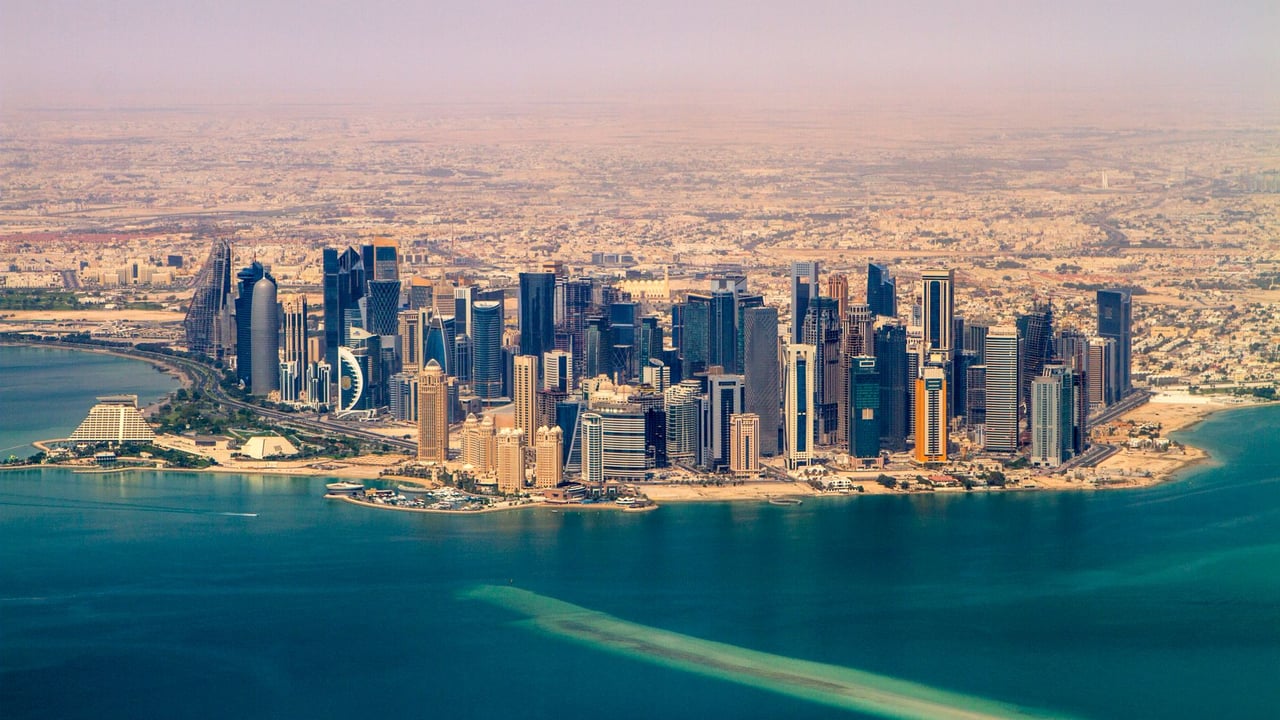

In a diplomatic maneuver that signals a potential shift in Middle Eastern geopolitics, the administration of Donald Trump has concluded a significant round of indirect negotiations with Tehran in Doha. These talks, mediated by Qatar and Pakistan, mark a rare moment of optimism in a relationship defined for years by 'maximum pressure' and mutual suspicion. Following the conclusion of the session on July 1, officials from both sides indicated that a framework for ongoing engagement is beginning to take shape.
The timing of the summit is particularly noteworthy, occurring in the immediate wake of the funeral for Iran’s former Supreme Leader, Ali Khamenei. This leadership vacuum in Tehran appears to have created a window for transactional diplomacy that the Trump White House is eager to exploit. President Trump characterized the talks as 'going very well,' even claiming that Iran’s denuclearization process is on a positive trajectory, though specific technical benchmarks remain undisclosed to the public.
A centerpiece of the current negotiations involves the release of approximately $6 billion in frozen Iranian assets. According to Iranian officials, these funds are slated to be managed through Qatari financial institutions to facilitate the purchase of essential humanitarian goods. While the White House has not officially confirmed the details of the financial arrangement, the move suggests a 'funds-for-de-escalation' model aimed at stabilizing a region currently reeling from maritime volatility.
Despite the positive rhetoric from the Trump-Vance ticket, the situation on the ground remains precarious. The Strait of Hormuz continues to be a flashpoint, with recent merchant ship attacks and subsequent US airstrikes underscoring the thin line between diplomacy and open conflict. Negotiators remain deeply divided on the management of maritime transit and the enforcement of ceasefire agreements in Lebanon, leaving the broader regional security architecture in a state of flux.
The establishment of a direct communication channel, scheduled to be operational by July 2, represents the most concrete outcome of the Doha talks. This mechanism is intended to preemptively address violations of the current memorandum of understanding and prevent accidental military escalation. Whether this technical bridge can support the weight of a comprehensive peace treaty remains the defining question for the second Trump administration’s foreign policy legacy.