
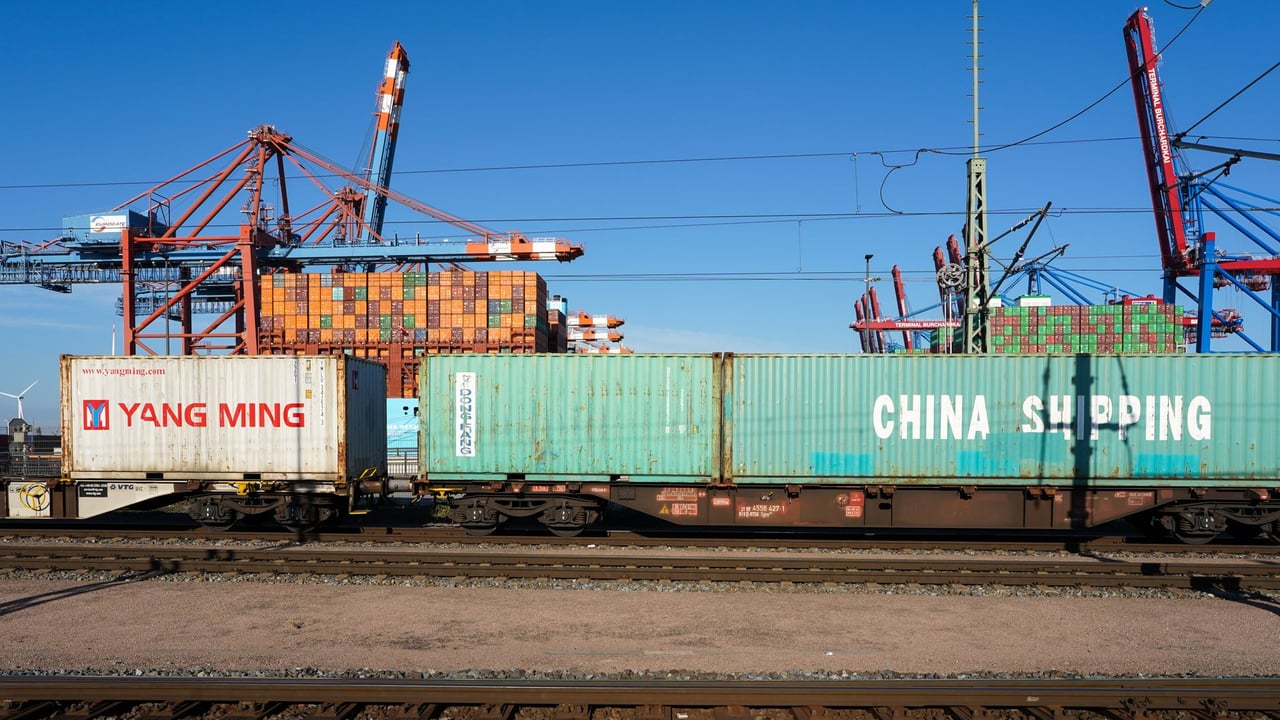

American retailers are fundamentally altering their logistics calendars as they brace for a new wave of trade volatility. In an aggressive move to 'front-load' inventory, many firms have shifted their peak ordering season from the traditional late summer to early spring. This preemptive strike aims to bypass potential tariff hikes and policy shifts that threaten to disrupt the critical year-end holiday shopping period.
Data for May reveals the scale of this defensive maneuver, with US imports of Chinese goods surging by 35% year-on-year. This represents a significant acceleration from the 11% growth recorded in April and marks a decisive reversal of the downward trend seen earlier in the year. Logistics providers report that orders originally slated for the July-September window were pulled forward by as much as six weeks.
The urgency is being fueled by a complex cocktail of legal and political factors. With the 10% tariffs from the previous administration nearing expiration and the US Trade Representative signaling new duties under 'forced labor' provisions, importers are operating in a climate of extreme uncertainty. The threat of a return to higher baseline rates has turned the trans-Pacific shipping route into a frantic race against the clock.
This surge in demand has inevitably strained global shipping capacity and sent freight costs skyrocketing. Major carriers like Maersk report that container space is becoming increasingly scarce, while shipping rates from Shanghai to Los Angeles have jumped 54% compared to last year. For many American businesses, the high cost of immediate shipping is viewed as a necessary premium to pay compared to the potentially ruinous impact of new 2026 trade barriers.