
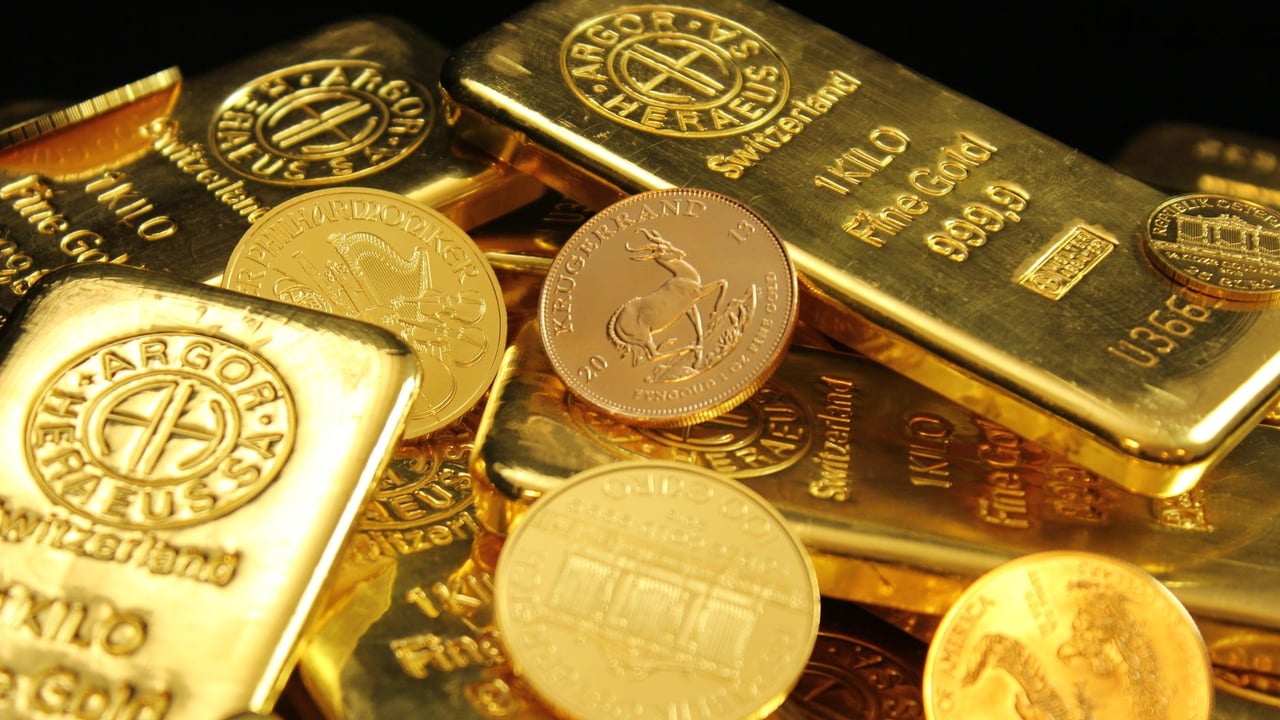

The gold market in 2026 has been defined by a breathtaking ascent followed by a sobering correction. After scaling an unprecedented peak of $5,598 per ounce in late January—a 27% surge in just one month—bullion has since shed approximately 28% of its value. By early July, the precious metal was testing the psychological floor of $4,000, signaling a transition from speculative frenzy to a more cautious period of price discovery.
This dramatic trajectory was initially propelled by a perfect storm of geopolitical friction, most notably escalating tensions between the United States and Iran, alongside aggressive speculative positioning. However, as the initial shocks subsided, a combination of institutional profit-taking and a recalibrated outlook on global interest rates forced a sharp reversal. The World Gold Council (WGC) notes that the market is now entering a "critical node" where its performance will be dictated by the interplay of persistent inflation and central bank policy.
A significant subtext of this year's volatility is the widening divergence between Western and Asian market behaviors. The WGC’s mid-year report highlights that while selling pressure often dominates the U.S. trading sessions, Asian markets have consistently provided a cushion for the asset. This suggests that Asian investors and consumers are playing an increasingly dominant role in setting the global floor for gold prices, often stepping in to buy during dips that occur in Western time zones.
Central banks, particularly those in Asia and Eastern Europe, remain the market's bedrock. While their appetite slowed during the record-breaking highs of the first quarter, early data suggests a strategic resurgence in buying as prices retreated toward the $4,000 mark in the second quarter. This institutional support reinforces gold's status as a fundamental reserve asset, even as retail investors grapple with the psychological blow of being "trapped" at higher entry points.
Looking toward the final months of 2026, the market is bracing for a period of stabilization around the $4,100 mark. This forecast assumes the Federal Reserve will proceed with at least one rate hike in October to combat inflation currently hovering near 3.9%. Unless a major geopolitical deterioration or a severe global economic slowdown occurs, analysts expect gold to trade within a narrow 5% band as the era of easy gains comes to a close.