

In May 2026, China's social retail sales figures delivered a sobering shock to policymakers, contracting by 0.6% year-on-year. This decline, the first of its kind since the post-pandemic recovery began in late 2022, was driven primarily by a slump in big-ticket items like automobiles, home appliances, and furniture. While daily consumables like food and beverages remain stable, the hesitation to spend on durable goods suggests a deepening crisis of confidence among the middle class.
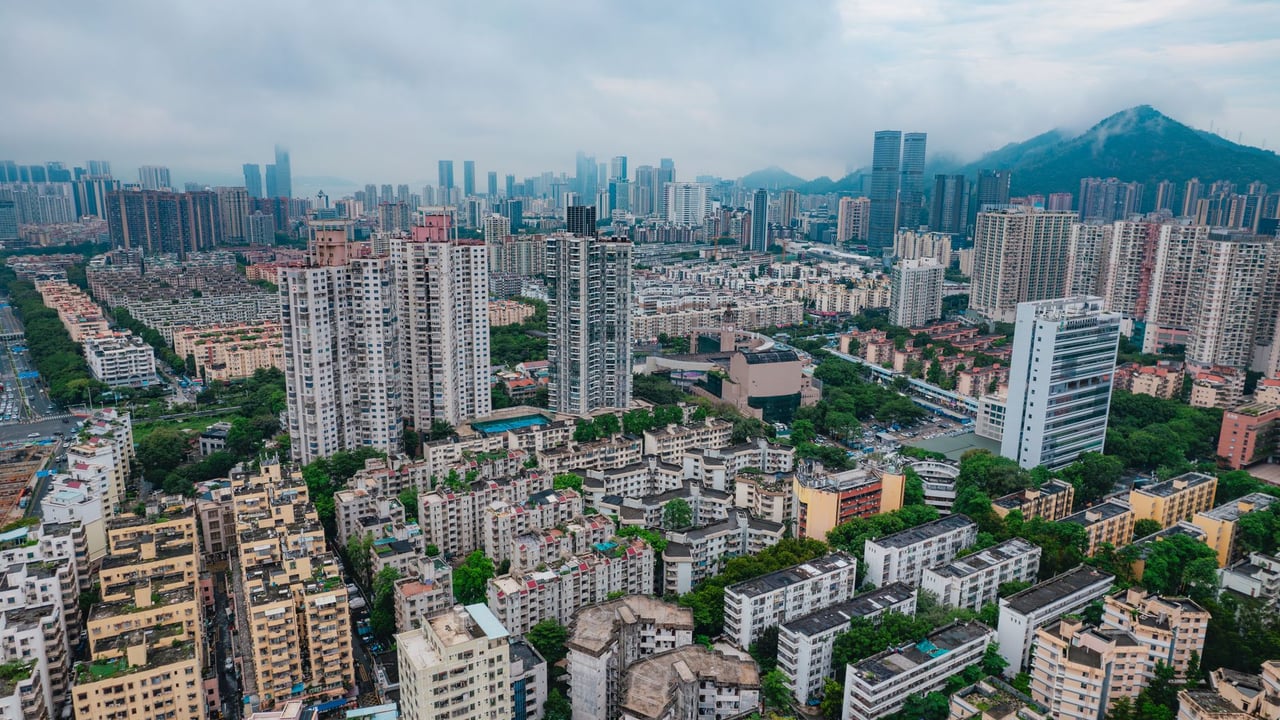
The root of this consumer paralysis lies in the persistent erosion of housing wealth. For the average Chinese household, the home is not just a residence but the primary vehicle for savings, with over 80% of families owning their property—a rate significantly higher than in the United States or Japan. When secondary market prices in Tier-2 and Tier-3 cities continue to slide by as much as 6%, homeowners feel a tangible 'reverse wealth effect' that immediately curtails their discretionary spending.
Recent data from the National Bureau of Statistics paints a fragmented picture of a 'K-shaped' recovery. While Tier-1 hubs like Shanghai and Beijing show signs of a fragile floor, with new and used home prices seeing marginal ticks upward, the broader national market remains in a deep freeze. Real estate investment has plunged by 16.2%, and the volume of new commercial housing sales continues to shrink, signaling that the bottom for smaller cities has yet to be found.
The stakes for the central government are existential, as real estate and construction still directly account for nearly 13% of China's GDP. This figure, however, understates the systemic risk, as a cooling property sector sends ripples through the steel, cement, and financial services industries. For the 5% GDP growth target to remain viable, the consumption engine must be reignited, and that is impossible so long as the nation’s primary asset class remains in freefall.
In response, municipal governments are pivoting toward increasingly pragmatic and localized interventions. From Shanghai lifting purchase restrictions for non-residents to Hangzhou and Shenzhen dramatically raising provident fund loan limits, the focus has shifted from ideological slogans to fixing the 'old-for-new' liquidity trap. These measures aim to lower the entry barrier for 'improver' buyers, hoping that high-value transactions in core cities will eventually stabilize expectations nationwide.
Yet, even if stabilization is achieved, the era of property-driven hypergrowth is undeniably over. China’s population has peaked, shrinking by over a million in 2024 alone, which removes the fundamental demographic tailwind that fueled the previous two decades of the building boom. The government is now attempting a high-stakes 'engine swap,' trying to replace real estate with high-tech manufacturing, AI, and green energy as the primary drivers of the economy.
The current economic friction is the sound of this massive gears-shift. While high-tech investment is growing at a double-digit clip, it is not yet large enough to fully offset the drag from the property sector. For now, the goal of 'stabilization' is not to return to the frenzy of the past, but to ensure that the housing market does not become a systemic anchor that drags down China’s high-tech aspirations.