
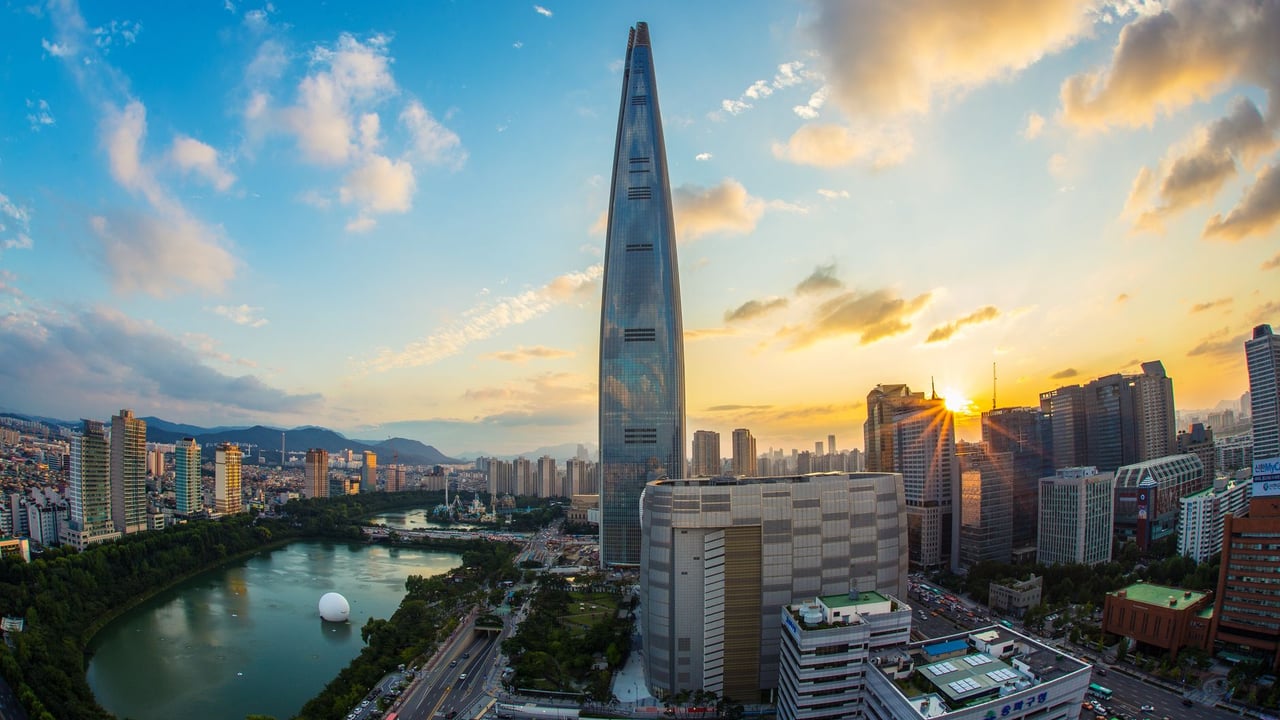

The trading floors in Seoul witnessed a rare and jarring correction on Thursday as the KOSPI index plummeted by 7.36%, closing at 7,692.43. While neighboring Japan saw a more measured, yet still significant, 2.47% decline in the Nikkei 225, the sheer velocity of the South Korean slide has sent ripples through international financial centers. This sharp contraction appears to be the result of a perfect storm, where cooling sentiment toward artificial intelligence (AI) stocks intersected with simmering regional security concerns.
Market analysts had recently cautioned that a 'ghost story' scenario was brewing, referencing the potential for a sudden liquidation of over-leveraged tech positions. As AI-related equities faced a sharp downward adjustment, South Korea's heavy weighting in the semiconductor and hardware sectors left it uniquely exposed. The retreat suggests that the exuberant valuations seen throughout the first half of the year are finally facing a reckoning as investors pivot toward capital preservation.
Beyond the technical sell-off, broader macroeconomic and geopolitical weights are pressing down on the region. Recent military drills and reported实弹 (live-fire) exercises on the peninsula, combined with the complexities of Sino-Russian strategic maneuvers nearby, have injected a high risk premium into East Asian assets. This geopolitical fragility is exacerbated by domestic social pressures within South Korea, where labor disputes and political fallout from recent public disappointments have weakened consumer and investor confidence alike.
Global markets are now bracing for potential contagion as the sell-off moves West. With industry giants like Samsung and SK Hynix serving as critical nodes in the global technology supply chain, Seoul's volatility often acts as a leading indicator for broader market health. Today's dramatic drop underscores a growing consensus among institutional investors that the 'tech-at-any-price' era may be entering a volatile new phase of consolidation and risk reassessment.