

The intersection of personal domesticity and national defense has become a potent theme in Beijing’s latest efforts to romanticize military service for its most educated citizens. A high-profile narrative involving a PhD couple from Tsinghua University—China's equivalent of MIT—highlights a growing trend of the nation’s top-tier STEM talent eschewing lucrative private sector roles for the state's defense laboratories. This shift is not merely accidental but is part of a concerted effort to revitalize the 'Two Bombs, One Satellite' spirit that fueled China’s initial nuclear and space breakthroughs during the Cold War.
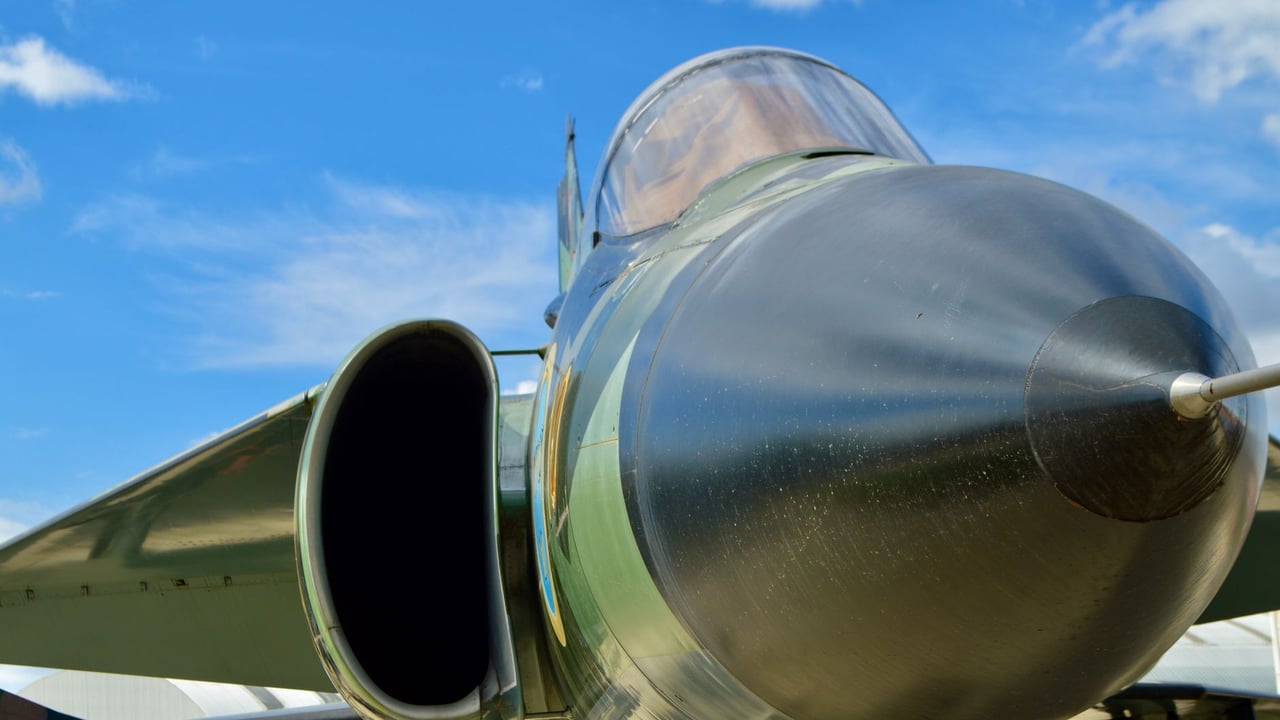
At the heart of this individual story is the development of advanced control systems designed to ensure high safety and performance in next-generation aviation. By focusing on the 'hardcore' technical requirements of flight control, these researchers are addressing critical bottlenecks in China’s domestic aerospace industry. The ambition for modern, indigenously produced fighter jets to dominate the skies reflects a strategic pivot toward self-reliance in high-end military hardware, reducing dependence on Russian or Western-influenced designs.
Tsinghua University has long been the 'cradle of red engineers,' and this latest cohort of graduates is being framed as the standard-bearers of a new generational struggle. The state’s messaging carefully blends the 'sweetness' of their personal lives with the 'hardness' of their professional missions, suggesting that high-level scientific research for the military is both a patriotic duty and a path to personal fulfillment. This narrative serves to normalize the integration of elite civilian education with military application, a cornerstone of China’s national strategy.
As the geopolitical rivalry with the West intensifies, the role of these elite researchers becomes even more pivotal. The emphasis on high-performance control systems suggests that China is moving beyond simple airframe manufacturing toward the complex software and algorithmic mastery required for sixth-generation warfare. For the global observer, the commitment of such high-caliber human capital to the defense sector is a clear signal of China’s long-term resolve to achieve technological parity, and eventually superiority, in the contested domains of the sky.