
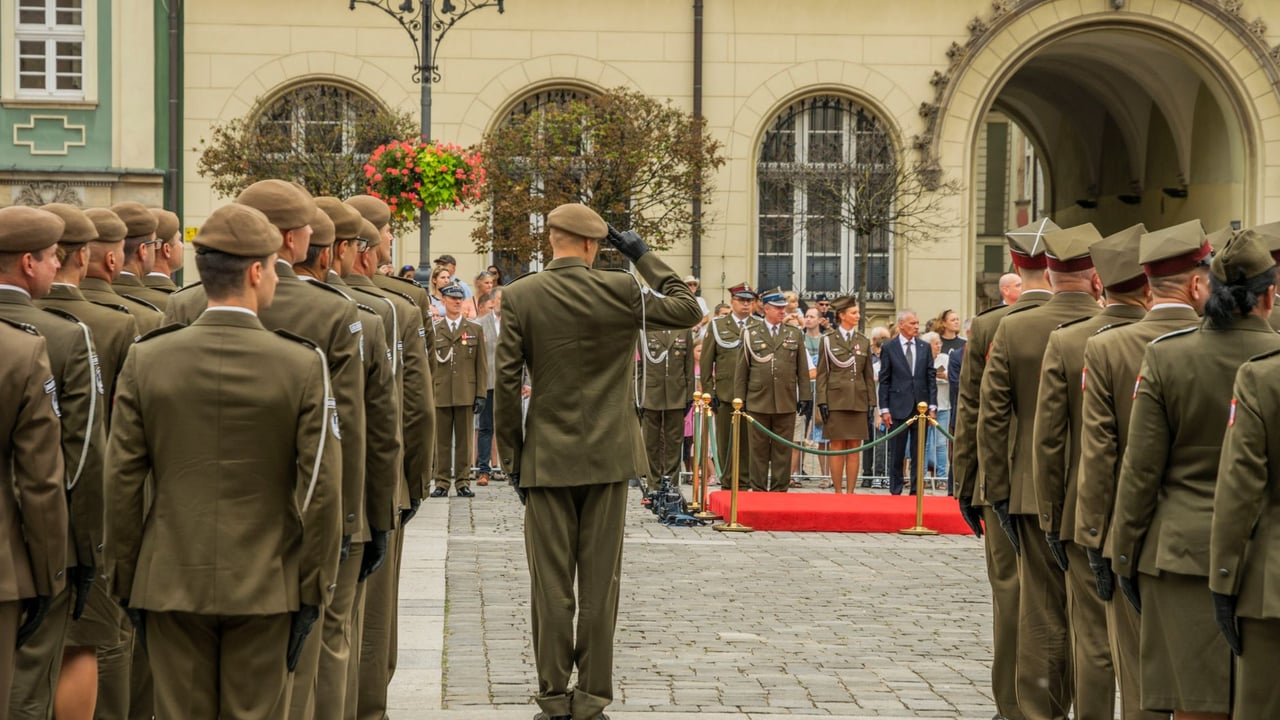

The fundamental rift within the North Atlantic Treaty Organization has widened once again as Berlin moves to publicly challenge the transactional rhetoric emanating from Washington. German Defense Minister Boris Pistorius delivered a sharp rebuke to former President Donald Trump’s recent demands for absolute loyalty from European allies. In a definitive stance, Pistorius clarified that the transatlantic alliance is built upon the pillars of consensus and mutual respect rather than a hierarchy of command.
This friction follows a high-profile attempt by NATO Secretary General Mark Rutte to bridge the diplomatic chasm during a recent White House visit. Rutte reportedly presented data-driven arguments to demonstrate how European defense spending has surged under the pressure of American leadership. However, these attempts at conciliation appear to have backfired, with the American side dismissing the efforts as insufficient and reiterating a demand for political fealty over fiscal contributions.
At the heart of the disagreement is a divergent vision of what a security alliance entails in the modern geopolitical era. While European capitals view NATO as a collective of sovereign states bound by treaty, the current rhetoric from the Trump camp treats the organization as a protectorate where protection is contingent upon diplomatic alignment. This transactional approach was most visible when European nations refused to join a U.S.-led maritime coalition in the Strait of Hormuz, a move that Washington still cites as a primary example of allied 'disloyalty.'
The consequences of this rhetorical escalation are profound, signaling a potential shift in the security architecture of the Western world. Trump’s characterization of NATO as a 'paper tiger' without American support suggests that the era of reflexive transatlantic cooperation may be drawing to a close. As Berlin asserts its independence, the prospect of a more autonomous European defense strategy becomes not just a preference, but a strategic necessity for the Continent’s leading powers.