Labor Market Stall: US Payrolls Miss June Expectations Amid Inflation Focus

US non-farm payrolls grew by only 57,000 in June, missing the 113,000 forecast and signaling a sharp slowdown from May's performance. While the data indicates a cooling economy, market analysts believe the Federal Reserve will continue to prioritize inflation management over employment growth in the near term.

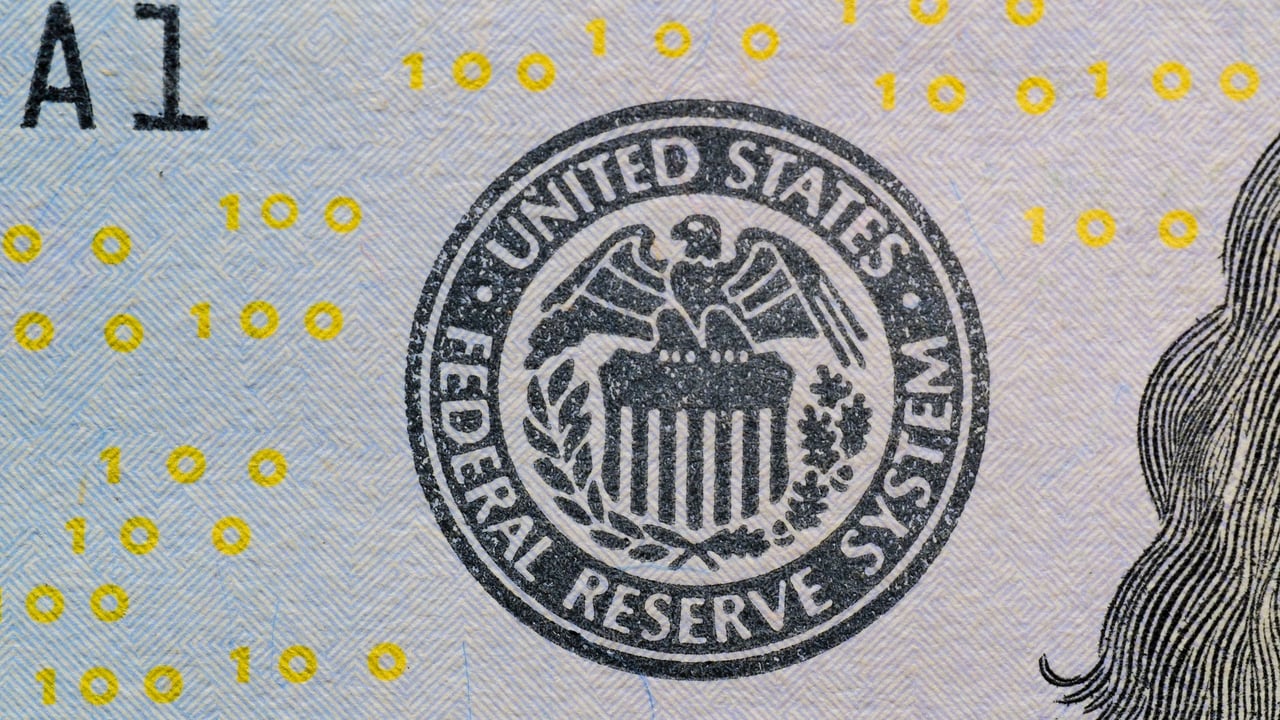
Detailed view of the US Federal Reserve System seal on currency with yellow digital numbers.

Key Takeaways

  • 1June non-farm payrolls increased by 57,000, missing the market consensus of 113,000.
  • 2Employment growth saw a significant drop compared to May's revised figure of 172,000.
  • 3Analysts suggest the Federal Reserve is currently prioritizing inflation data over labor market fluctuations.
  • 4The data reflects a potential late-cycle slowdown in the 2026 US economic expansion.
  • 5The divergence in sectoral hiring suggests an uneven economic landscape heading into the third quarter.

Editor's
Desk

Strategic Analysis

This employment miss serves as a critical litmus test for the 'inflation-first' doctrine currently dominating Federal Reserve policy in 2026. For much of the past year, the Fed has signaled that it is willing to tolerate a degree of labor market softness to ensure price stability. However, a drop to 57,000 jobs suggests we are approaching the 'break point' where cooling becomes a freeze. If the next two months do not show a rebound, the Fed will face immense pressure to pivot, regardless of where inflation stands, to avoid a self-inflicted recession. The Chinese market's close observation of this data reflects the deep interconnectedness of global capital flows and the specific sensitivity of export-oriented economies to American consumer demand.

China Daily Brief Editorial
Strategic Insight
China Daily Brief

The American labor market experienced a significant cooling in June, as non-farm payrolls increased by a mere 57,000. This figure fell sharply below the market expectation of 113,000 and represented a stark deceleration from the 172,000 jobs added in the previous month. The data suggests that the aggressive hiring seen in early 2026 may be hitting a plateau as the domestic economy navigates complex structural shifts.

Despite the disappointing headline number, Wall Street’s immediate reaction remained relatively muted. Financial analysts suggest that the Federal Reserve’s current calculus is increasingly weighted toward persistent inflation rather than marginal shifts in employment figures. In this environment, a cooling labor market might even be viewed by some policymakers as a necessary precondition for tempering price growth, provided the slowdown does not devolve into a broader contraction.

The divergence between market expectations and reality highlights the growing volatility in post-pandemic economic forecasting. While sectors like technology and specialized services continue to seek talent, broader industrial and retail segments appear to be tightening their belts. This bifurcation in the labor market is complicating the narrative for a 'soft landing' that many economists had previously projected for the second half of the year.

Observers are now turning their attention to the upcoming inflation reports to determine if the Federal Reserve will pivot or maintain its restrictive stance. If price pressures remain stubborn, the central bank may overlook the sluggish employment growth to continue its fight against inflation. However, should the hiring slump persist through the summer months, the political and economic pressure for a policy shift will undoubtedly intensify.

Share Article

Related Articles

📰
No related articles found