
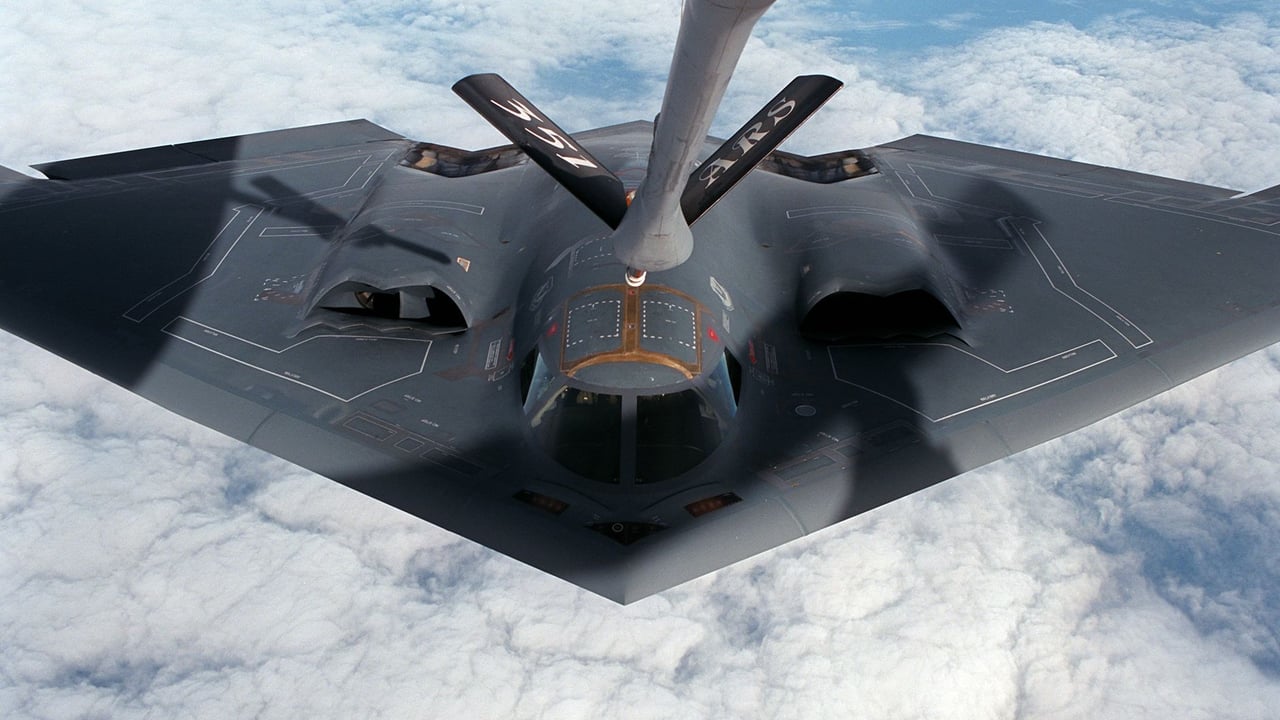

The departure of several U.S. Air Force B-52 Stratofortress bombers from RAF Fairford in the United Kingdom marks a significant cooling of tensions in the Middle East. These long-range, nuclear-capable aircraft had been operating at a high tempo, having previously conducted strikes against targets within Iran during a period of peak escalation. Their withdrawal is widely interpreted as a calculated tactical pause intended to bolster the ongoing diplomatic efforts in Doha.
This movement of strategic assets occurs precisely as negotiators from Washington and Tehran seek to finalize a landmark peace agreement. In recent statements, President Trump expressed confidence in the trajectory of the talks, noting that the process of Iranian denuclearization is "progressing well." This optimism follows a series of high-stakes meetings in Qatar, which have reportedly bridged several long-standing gaps between the two adversaries.
Mediators from both Qatar and Pakistan have played a crucial role in facilitating these discussions, acting as the primary conduits for a potential memorandum of understanding. According to officials in Doha, recent sessions have yielded "positive progress," suggesting that both sides are now focused on the practical implementation of de-escalation measures rather than military posturing. The shift from active combat operations to the negotiating table represents a dramatic pivot in regional security policy.
While the B-52s return to their home bases, the international community remains cautiously optimistic about the sustainability of this peace. The removal of heavy bombers from the European theater reduces the immediate threat of a renewed air campaign, providing the political space necessary for diplomats to navigate the final hurdles of a comprehensive nuclear deal. However, the shadow of past hostilities remains, and the regional balance of power continues to hinge on the success of the current Doha round.