

The landscape of Chinese overseas expansion is undergoing a profound transformation, shifting from the export of low-cost consumer goods to the deployment of high-stakes infrastructure and sophisticated intellectual property. Two recent developments underscore this trend: BYD’s landmark energy storage agreement in Poland and CSPC Pharmaceutical’s billion-dollar partnership with AstraZeneca. These deals signify a new era where Chinese firms are not merely participants in the global market but are becoming essential architects of the West’s green transition and medical innovation.
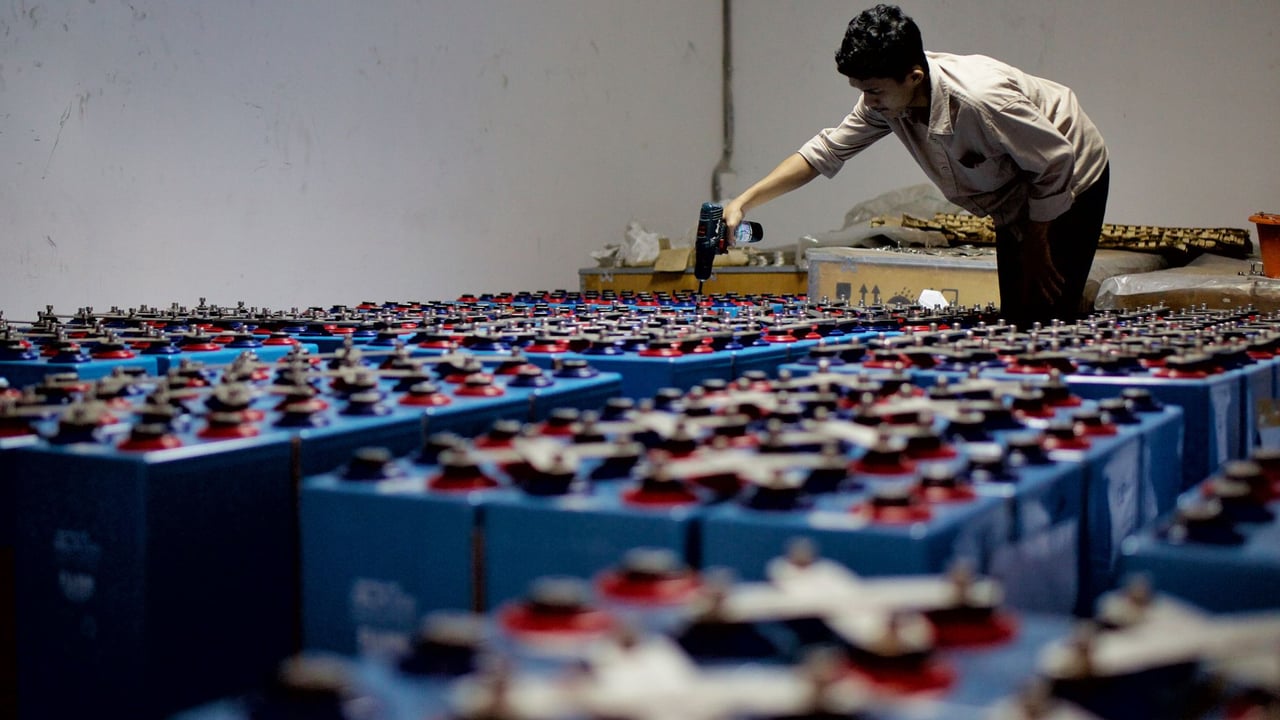
In Poland, BYD Energy Storage has secured a contract to develop the Siedlce project, which, at 600MW/2.4GWh, is set to become the nation's largest battery energy storage facility. By utilizing its proprietary 'Haohan' system and high-capacity Blade batteries, BYD is positioning itself as a critical pillar in Europe’s efforts to stabilize renewable energy grids. This move is particularly strategic as European nations seek reliable alternatives to traditional energy sources, allowing Chinese battery tech to gain an institutional foothold despite rising trade tensions in the automotive sector.
Simultaneously, the pharmaceutical sector is witnessing a surge in high-value cross-border collaborations. CSPC Pharmaceutical Group’s agreement with AstraZeneca to develop siRNA (small interfering RNA) candidates for kidney disease carries a potential valuation of $1.8 billion. This deal highlights the growing global confidence in Chinese biotech research. By securing $30 million upfront and promising nearly $1.7 billion in milestones, CSPC is demonstrating that Chinese innovative drug discovery is now a premium asset sought after by Western giants looking to bolster their pipelines.
However, this expansion is not without its geopolitical and regulatory friction. JD.com’s €2.2 billion acquisition of German electronics retailer Ceconomy has received conditional approval from Berlin, but with significant strings attached regarding data security. The German government’s insistence on oversight and the right to revoke approval if data privacy is compromised illustrates the 'trust deficit' that Chinese firms must navigate. This regulatory scrutiny is the new baseline for Chinese capital entering sensitive European markets, regardless of the sector.
Beyond Europe, China is aggressively consolidating its influence in Central Asia through a blend of industrial and financial diplomacy. From COMAC showcasing its C909 medical aircraft in Kazakhstan to the Bank of China facilitating cross-border RMB loans in Uzbekistan, Beijing is creating an integrated economic ecosystem. This multi-pronged approach—combining high-tech exports, financial integration, and infrastructure development—suggests that China’s global strategy is becoming increasingly resilient, diversified, and technologically indispensable.