Wings of Clay: The US Navy’s Mounting Crisis in Naval Aviator Training

The US Navy is facing a critical shortfall in pilot production as the aging T-45 Goshawk fleet suffers from repeated groundings due to engine failures. Persistent delays in selecting a successor aircraft are undermining naval aviation readiness and creating a dangerous gap in the pilot training pipeline.

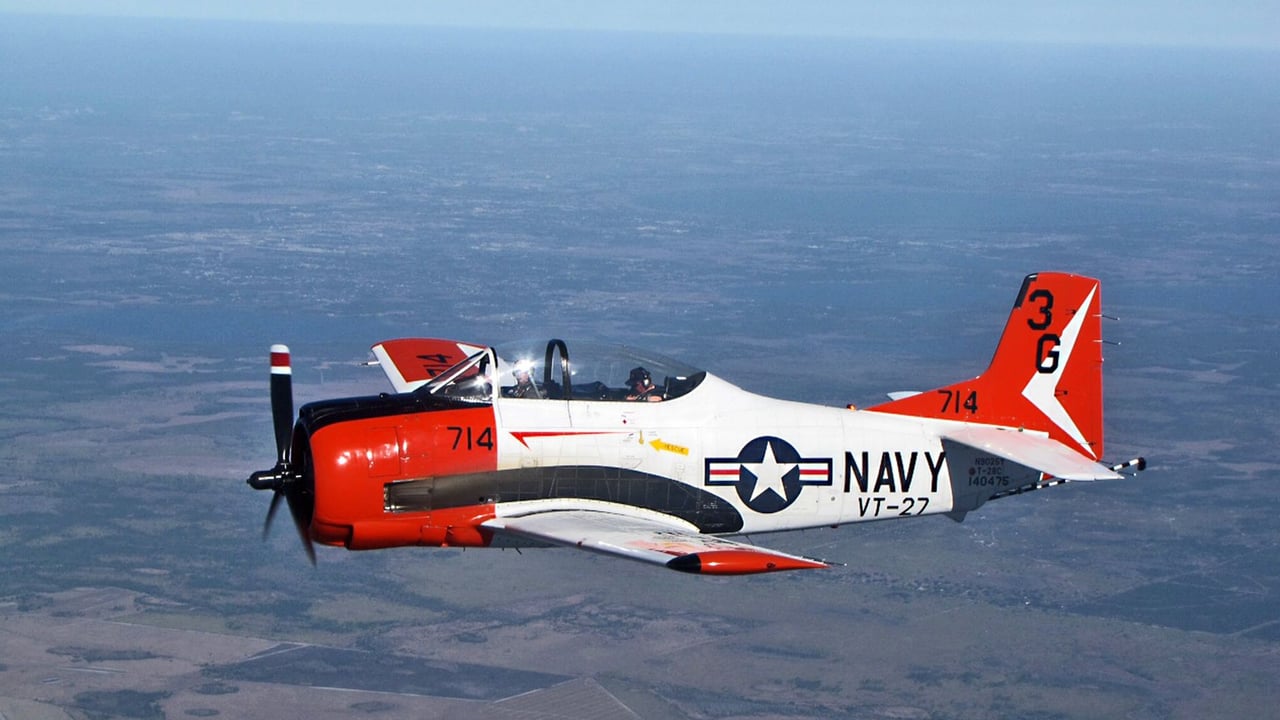
A vintage T-28 Trojan aircraft in flight over Florida, showcasing classic US Navy aviation design.

Key Takeaways

  • 1The T-45 Goshawk fleet has been grounded four times between 2022 and 2025 due to manufacturing defects in engine blades.
  • 2A systematic training crisis is emerging as the Navy struggles to find a timely replacement for the 1990s-era trainer.
  • 3Delays in the Undergraduate Jet Training System (UJTS) program are hindering the transition to fifth-generation fighter platforms.
  • 4The aging aircraft's safety record is increasingly precarious, with engine reliability becoming a primary point of failure.

Editor's
Desk

Strategic Analysis

The struggle to replace the T-45 Goshawk reflects a broader malaise in Western defense procurement: the inability to rapidly iterate and field essential support hardware. While the spotlight often shines on high-profile platforms like the F-35 or new supercarriers, the human capital of naval aviation relies on the humble trainer. If the U.S. Navy cannot stabilize its training pipeline, its qualitative advantage in pilot proficiency—a historical cornerstone of American air superiority—risks erosion. This delay is particularly notable as competitors like China rapidly deploy advanced lead-in fighter trainers (LIFT) such as the JL-10 to bridge the gap to their own fifth-generation jets, signaling a potential shift in the future balance of air combat effectiveness.

China Daily Brief Editorial
Strategic Insight
China Daily Brief

The United States Navy’s carrier-deck ambitions are facing a quiet but corrosive threat from within its own hangars. For over three decades, the T-45 Goshawk has served as the indispensable gatekeeper for naval aviators, yet its aging airframe is now buckling under the weight of persistent mechanical failures and systemic obsolescence.

Recent reports indicate that the replacement program, intended to modernize the training pipeline, is mired in selection delays that are transforming a routine procurement cycle into a genuine readiness crisis. Between late 2022 and early 2025, the T-45 fleet was grounded at least four times. These safety stand-downs were primarily triggered by catastrophic engine blade defects within the low-pressure compressor.

This instability comes at a precarious moment for American maritime power as it pivots toward high-end conflict scenarios in the Indo-Pacific. The bottleneck in pilot production threatens to hollow out the fighter wings of future carrier strike groups, leaving sophisticated platforms without enough qualified hands at the controls.

The challenge for the Pentagon is now twofold: maintaining a vintage fleet that has become a liability while navigating the bureaucratic complexities of the Undergraduate Jet Training System (UJTS). Modern avionics in frontline fighters like the F-35C have far outpaced the analog foundations of the Goshawk, making the transition for student pilots increasingly steep and technologically disjointed.

Share Article

Related Articles

📰
No related articles found