
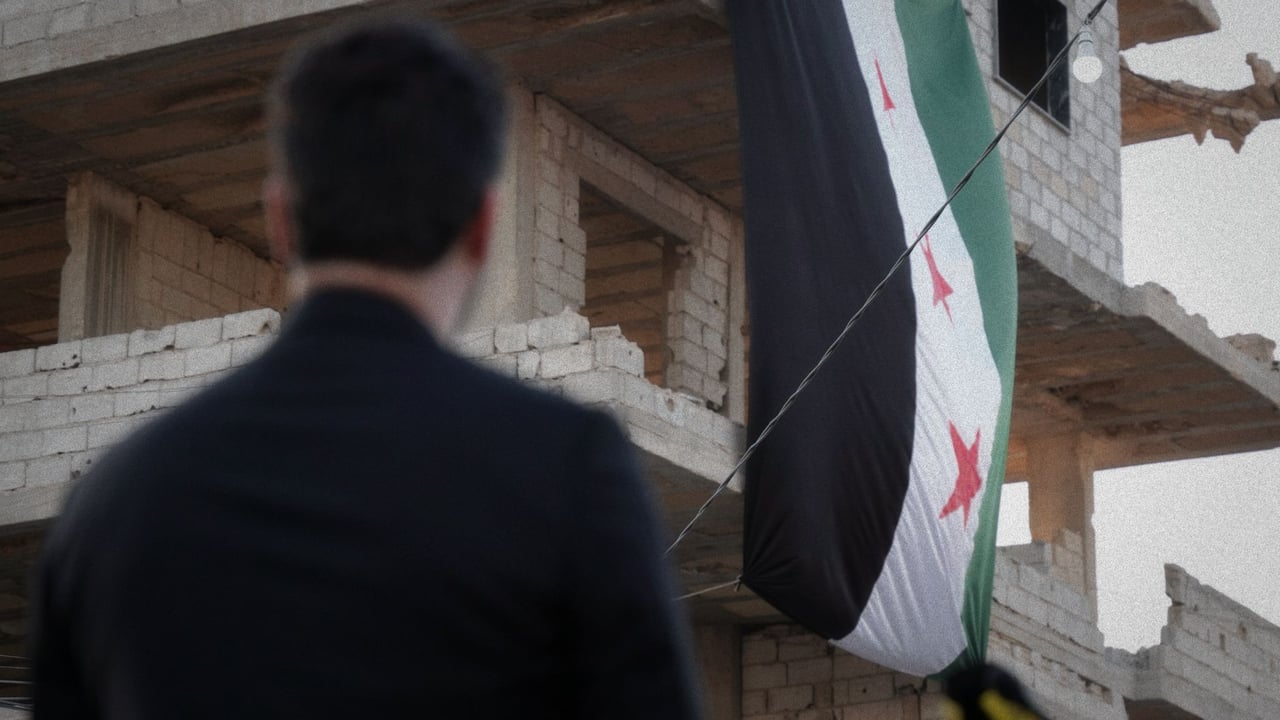

The explosion that ripped through a bustling cafe near the Palace of Justice in central Damascus on July 2 marks a grim reminder of the persistent instability plaguing the Syrian capital. Despite the government's ongoing efforts to project an image of normalcy and control, the attack claimed the lives of at least nine people and left twenty others wounded, according to the latest data from the transitional health ministry.
The choice of target—a social hub adjacent to the city's primary judicial and administrative center—is particularly significant. By striking a location frequented by legal professionals and civilians in a heavily monitored district, the perpetrators have successfully challenged the state's security apparatus in its own backyard. This incident underscores the fragility of the peace that the administration has sought to cultivate through high-profile urban management.
Security forces and emergency personnel were quick to cordon off the area, though the immediate aftermath was characterized by the all-too-familiar scenes of shattered glass and charred wreckage. For the residents of Damascus, who have increasingly lived under a veneer of relative safety compared to the active front lines in the north, such attacks serve as a chilling indicator that the conflict's embers still burn hot.
While no group has immediately claimed responsibility, the methodology of the attack mirrors previous urban insurgency tactics used by extremist factions or opposition remnants. As the Syrian government continues to push for international re-engagement and the return of refugees, these security breaches complicate the narrative that the country is ready for a full-scale post-war transition.