
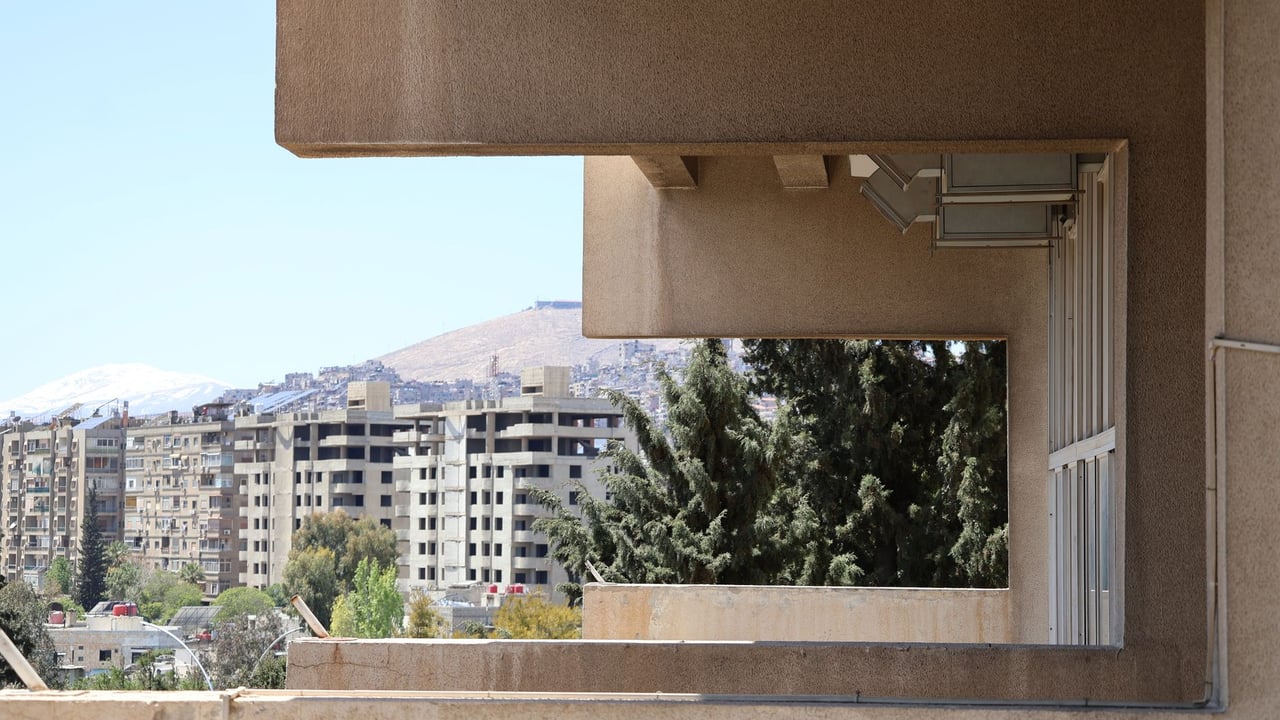

The relative calm of central Damascus was violently disrupted on July 2nd when an improvised explosive device (IED) tore through a cafe situated near the capital’s Palace of Justice. The blast claimed the lives of at least nine individuals and left twenty others wounded, marking a significant breach of security in what is normally a highly monitored administrative hub. Among the victims were several lawyers, suggesting a targeted strike against the professional class that underpins the country's legal and administrative framework.
Emergency services and security forces from the Syrian transitional government’s Ministry of Interior were deployed immediately to the scene to facilitate medical evacuations and secure the perimeter. While Damascus has largely been insulated from the heavy frontline fighting of previous years, this incident serves as a grim reminder that high-profile urban centers remain vulnerable to asymmetric warfare and insurgent tactics. The provincial governor, Maher Idlibi, confirmed that the explosion was caused by a manually detonated device placed within the cafe.
No group has yet claimed responsibility for the attack, leaving investigators to weigh whether the strike originated from remnants of extremist cells or political factions opposed to the current transitional arrangement. The choice of location—a social space frequented by legal professionals near the seat of judicial power—carries a heavy symbolic weight. It signals that even within the regime's traditional bastions of control, the promise of total security remains elusive for both the state and its citizens.
As the transitional government attempts to project an image of normalization to the international community, such attacks undermine the narrative of a stable, post-conflict Syria. The loss of legal professionals is particularly damaging to the institutional memory and functional capacity of a state attempting to rebuild its domestic legitimacy. This bombing is likely to trigger a localized security crackdown, further tightening the grip of state surveillance in the capital’s most sensitive districts.