
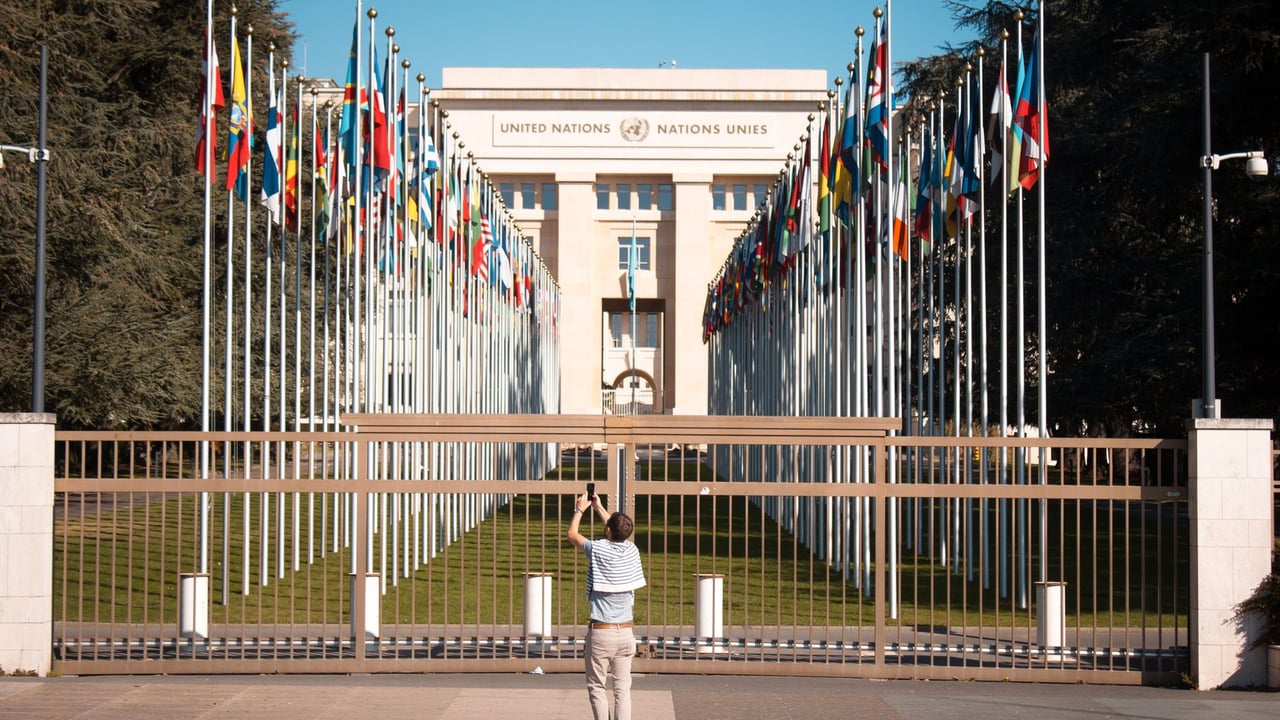

The hallowed halls of the United Nations Security Council recently transformed into a theater of diplomatic hostility as the United States and Iran traded sharp accusations over the stability of the Middle East. At the center of the dispute is the Strait of Hormuz, the world’s most critical maritime chokepoint for global energy supplies. The emergency session underscored the rapid erosion of a fragile diplomatic understanding reached only two weeks prior, casting a shadow over hopes for a regional de-escalation.
U.S. Ambassador Waltz opened the session with a scathing indictment of Tehran, alleging that Iranian-backed drone and missile strikes have targeted civilian infrastructure in Bahrain and Kuwait. Washington contends that these actions, coupled with threats to commercial shipping, constitute a direct violation of a newly signed Memorandum of Understanding (MoU). For the U.S., the core of the agreement was simple: international waterways must remain open, and attacks on civilian maritime traffic must cease.
Iran’s representative, Iravani, countered with a narrative of victimhood, accusing the U.S. and Israel of using diplomatic negotiations as a smokescreen for military aggression. Tehran defended its recent maneuvers as legitimate exercises of the inherent right to self-defense under Article 51 of the UN Charter. From Iran’s perspective, the true source of regional instability is not its maritime posture, but rather the ‘collective punishment’ of a U.S.-led maritime blockade and the use of neighboring territories to facilitate strikes against Iranian soil.
This confrontation reveals the deep-seated mistrust that continues to sabotage incremental diplomacy. While both sides claim to remain committed to the recent MoU, their interpretations of its obligations are diametrically opposed. The U.S. views the document as a behavior-modification tool for Tehran, while Iran sees it as a conditional truce contingent on the cessation of Western and Israeli military pressure. As the rhetoric sharpens, the risk of a miscalculation in the narrow waters of the Gulf remains at a generational high.
The broader geopolitical stakes cannot be overstated. With the global economy still sensitive to energy price fluctuations, any disruption to the 20 million barrels of oil that pass through the Strait daily would have immediate international consequences. The inability of the Security Council to move beyond mutual recrimination suggests that the path to a durable settlement remains blocked by the same fundamental security dilemmas that have plagued the region for decades.