
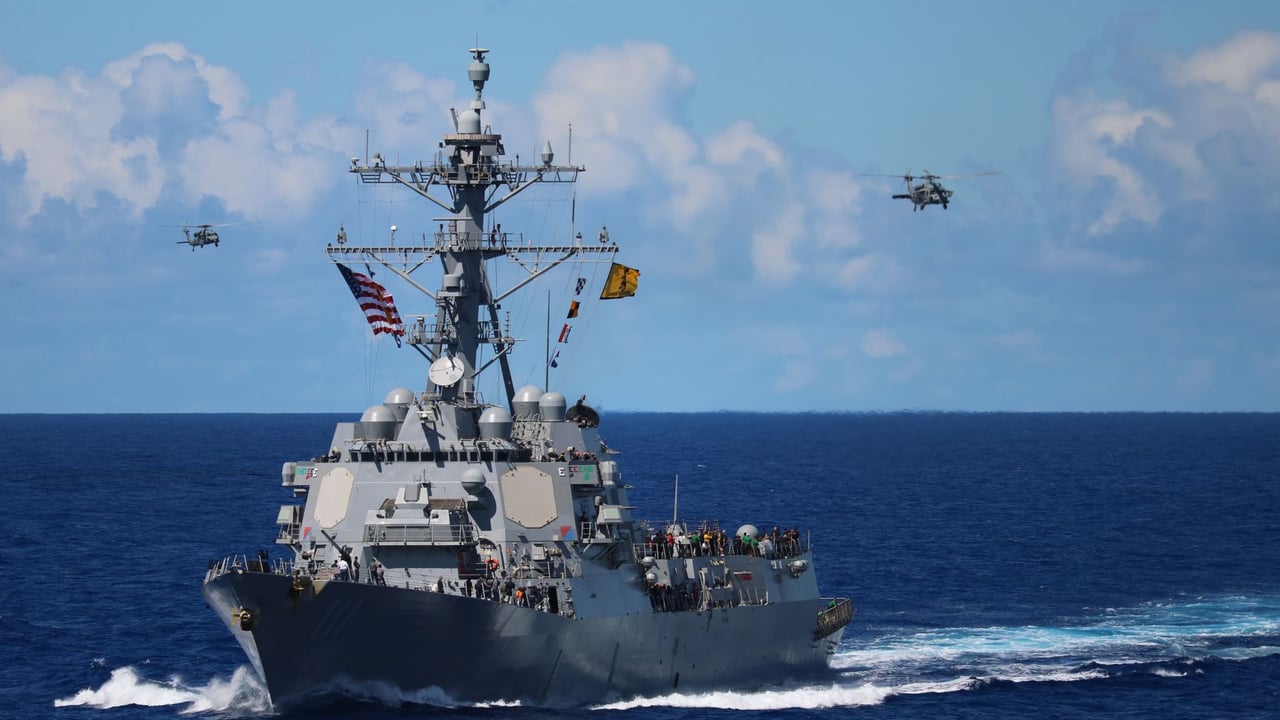

The arrival of the Type 052D destroyer Nanning and the Type 054A frigate Hengyang in Hong Kong harbor marks a significant moment in Beijing's ongoing effort to align the territory’s youth with the mainland’s national narrative. While port calls by the People’s Liberation Army (PLA) Navy are not unprecedented, the scale and sophistication of these vessels serve as a potent symbol of China’s rapid maritime modernization. For the local students invited aboard, the experience was framed as an educational milestone, shifting from textbook lessons on national defense to the visceral reality of advanced military hardware.
This direct engagement is part of a broader strategy to replace historical skepticism with a sense of pride in the motherland's technological and military prowess. The Nanning, one of the jewels of the South Sea Fleet, represents the cutting edge of Chinese naval engineering, designed to project power far beyond the mainland's shores. By showcasing these assets in Hong Kong, Beijing effectively demonstrates that the city is not merely an international financial hub but an integral part of a global superpower’s security architecture.
Observers note that these visits have become increasingly frequent and curated in the years following the implementation of the National Security Law. These events are designed to foster a sense of belonging among a generation whose loyalty Beijing views as essential for the long-term stability of the One Country, Two Systems framework. The sight of sophisticated weaponry in the heart of Victoria Harbour serves as both an olive branch of national inclusion and a subtle reminder of the state’s ultimate authority.
Beyond the hardware, the interactions between PLA personnel and Hong Kong youth are meticulously choreographed to humanize the military presence. These exchanges aim to bridge the cultural and political gap that has historically characterized the relationship between the Hong Kong public and the mainland's security forces. As the city continues its transition toward deeper integration, such displays of steel diplomacy are likely to become a permanent fixture of its social and political landscape.