

The streets of Seoul in early 2026 have taken on the atmosphere of a casino floor, where the national mood fluctuates with every tick of the KOSPI index. In June, the market experienced a series of ‘cardiac arrests,’ with the index triggering multiple circuit breakers and ‘Sidecar’ halts as it swung between double-digit losses and aggressive rebounds. This volatility is the byproduct of a year-long sprint that saw the market capitalization of South Korea’s main board surge past the $5 trillion mark, driven almost entirely by a singular obsession with artificial intelligence.
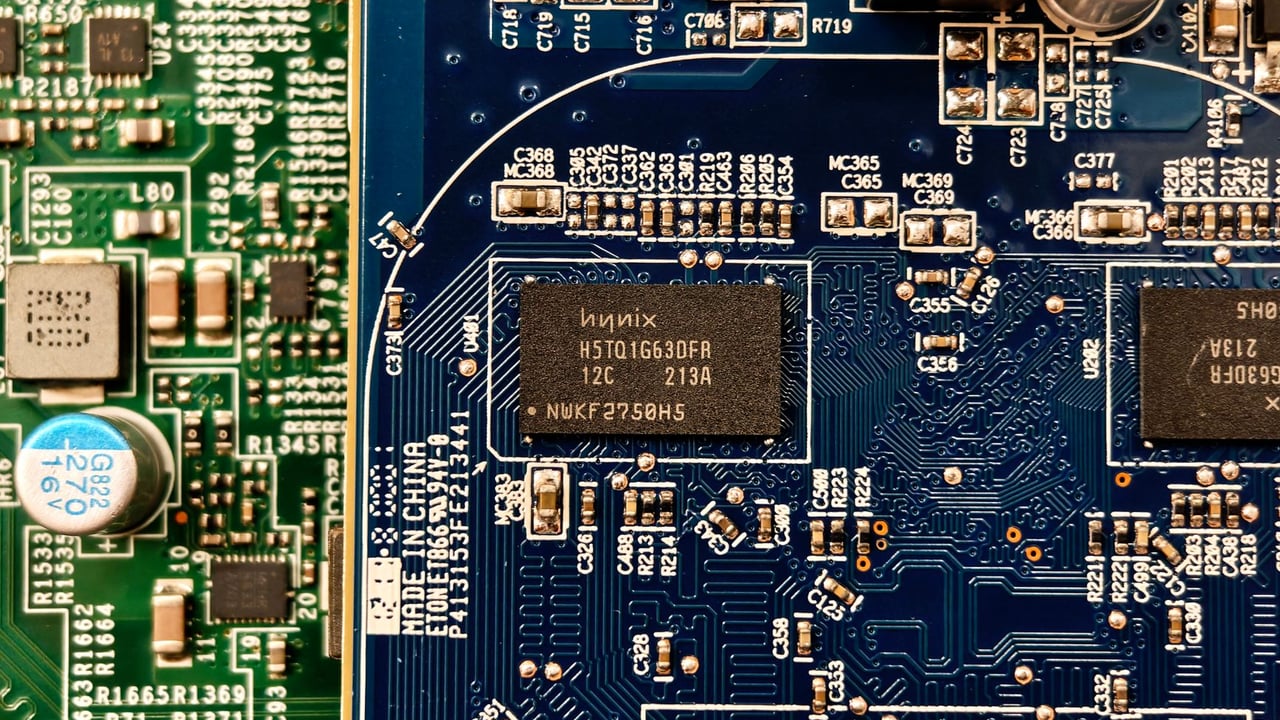
At the heart of this frenzy are two titans: Samsung Electronics and SK Hynix. These semiconductor giants now account for over 40% of the KOSPI’s total value, effectively tying the nation’s collective wealth to the global demand for High Bandwidth Memory (HBM). As Nvidia’s Jensen Huang cements partnerships in Seoul, local investors have come to view these stocks not as mere equities, but as the essential infrastructure of the AI era. For the average citizen, owning these shares has become the primary metric of social and economic standing.
South Korea’s retail investors, known colloquially as ‘ants,’ have displayed a remarkable and perhaps reckless resilience in the face of market instability. While foreign institutions offloaded trillions of won during the June downturns, retail buyers flooded the market with record-breaking purchases, often fueled by high-leverage credit. This ‘buy the dip’ mentality is bolstered by a conviction that the AI narrative is infallible, turning every market crash into a perceived ‘discounted ticket’ for future riches.
The societal impact of this bull run is profound, manifesting in a surge of luxury consumption and real estate acquisitions funded by stock profits. However, this prosperity is deeply uneven, as the wealth gap between equity holders and wage earners widens. Government officials and economists are beginning to voice concerns that the semiconductor ‘halo’ is masking a broader decay in traditional sectors like construction and petrochemicals. This concentration of risk suggests that the nation is no longer just an economy with a tech sector, but a tech sector with a nation attached.
Historical parallels to the 1999 KOSDAQ tech bubble loom large, yet the current enthusiasm remains undeterred by warnings of a structural ‘bubble.’ Analysts from firms like CLSA warn that while orders are booked years in advance, the downstream AI value chain is showing signs of strain. If the global AI capital expenditure cycle slows, the ‘ostrich ants’—investors who currently bury their heads during downturns—may find that the circuit breakers designed to calm the market offer little protection against a fundamental shift in the global tech landscape.