
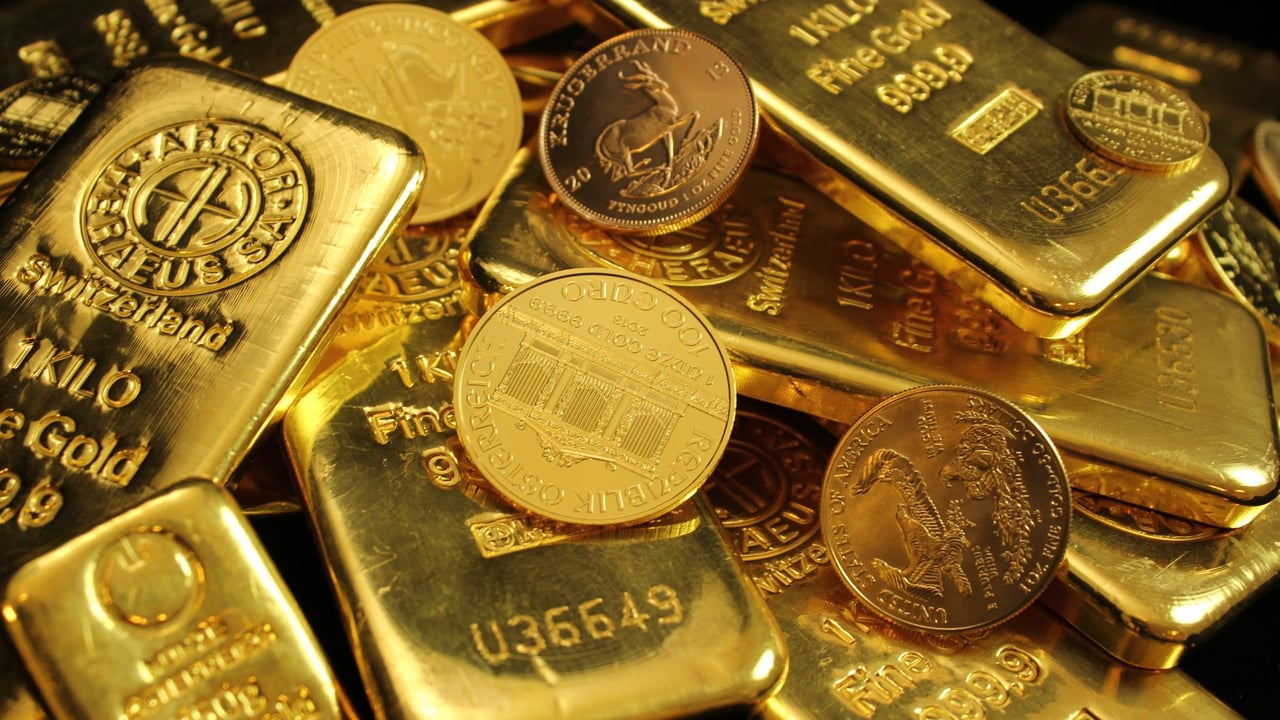

The global gold market is currently navigating a period of intense volatility, with prices searching for a support level around the $4,100 per ounce mark. This correction has reverberated through the secondary markets, most notably affecting premium Chinese jewelers like Laopu Gold, which saw its share price crater by nearly 70% from its peak. For the average investor in mainland China, the sense of urgency that fueled last year's 'gold rush' has been replaced by a cautious, wait-and-see approach.
Evidence of this cooling sentiment is visible on the streets of Beijing and Shenzhen, where once-crowded high-end boutiques now stand largely empty. The frenzy that saw consumers queuing for hours for 'heritage gold' pieces has evaporated, signaling that the retail emotional peak has been fully purged from the market. In the world of contrarian investing, the disappearance of the amateur speculator and the 'scalper' often serves as the most reliable indicator that a price floor is being established.
This domestic cooling is occurring against a backdrop of shifting global macro-dynamics, specifically the easing of energy-driven inflation. With diplomatic efforts in the Middle East dampening the threat of regional conflict, Brent and WTI crude have retreated to multi-month lows. This downward pressure on energy costs has fundamentally broken the transmission chain that previously forced the Federal Reserve into an aggressive tightening posture, thereby removing the primary headwind for non-yielding assets like gold.
Central bank policy remains the final piece of the puzzle, with recent rhetoric from the Federal Reserve suggesting a pivotal shift. Observations from the most recent central banking forums indicate that even the most hawkish policymakers now concede that inflation risks are receding. As the market begins to price in a pause—and eventual reversal—of interest rate hikes, the opportunity cost of holding bullion diminishes, making the current price levels an attractive entry point for institutional players.
Furthermore, the 'invisible hand' of the People’s Bank of China continues to provide a structural floor for the market. Data indicates that the Chinese central bank has extended its gold-buying streak to 19 consecutive months, consistently adding to its reserves even as retail interest wanes. This strategic 'dollar-cost averaging' by one of the world's largest sovereign buyers suggests that while the public may be fearful, the state sees long-term strategic value in the current price range.