
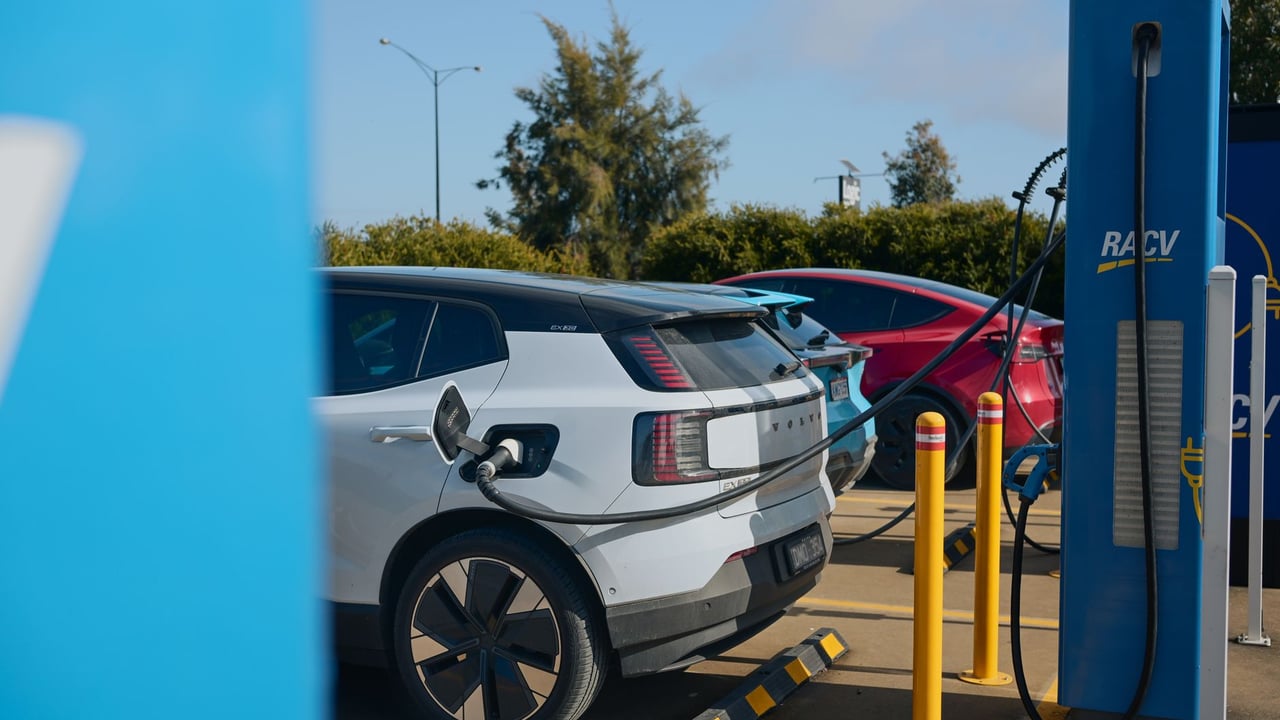

For decades, the Australian automotive landscape has been defined by the rugged reliability of the "ute"—the iconic utility vehicle. However, recent data reveals a seismic shift in consumer behavior as soaring fuel prices drive a record number of Australians toward electric vehicles (EVs), fundamentally altering the country’s car culture. This transition marks a significant departure for a market that has historically been slower to adopt electrification compared to its European and Chinese counterparts.
According to the Electric Vehicle Council, EV sales surged to account for 35.8% of all new passenger car sales in June, with pure battery electric vehicles (BEVs) alone making up a quarter of total sales. This surge is more than a mere trend; it represents an economic pivot for a nation grappling with the high costs of internal combustion engine maintenance in an era of global energy volatility. Consumers who once prioritized the long-range capabilities of diesel are now weighing those benefits against the immediate savings offered by electric powertrains.
Most striking is the ascendancy of the Tesla Model Y, which recorded a record-breaking 8,072 sales in June. In a historic upset, this all-electric SUV outperformed perennial market leaders like the Ford Ranger and Toyota HiLux, vehicles that have traditionally symbolized the Australian outdoor lifestyle and work ethic. The fact that an electric car has claimed the top spot in a market so deeply rooted in "ute" culture suggests that the psychological barriers to EV ownership are rapidly eroding.
This transition suggests that the primary hurdle for EV adoption in Australia—once thought to be range anxiety across the continent's vast distances—is being overcome by the immediate financial pain at the pump. As charging infrastructure continues to expand to meet this unprecedented demand, the dominance of traditional diesel-heavy brands faces its most significant challenge to date. The Australian market is no longer a laggard; it is becoming a key battleground for the global EV transition.