The Death of the Budget Smartphone: How AI’s Hunger for Memory is Cannibalizing the Low-End Market

The global boom in AI is diverting memory chip production away from consumer electronics, causing a massive spike in DRAM prices. This shift is rendering the production of budget smartphones unprofitable, potentially eliminating the sub-$200 phone market by 2027 while creating a strategic vacuum that Chinese domestic chipmakers are now racing to fill.

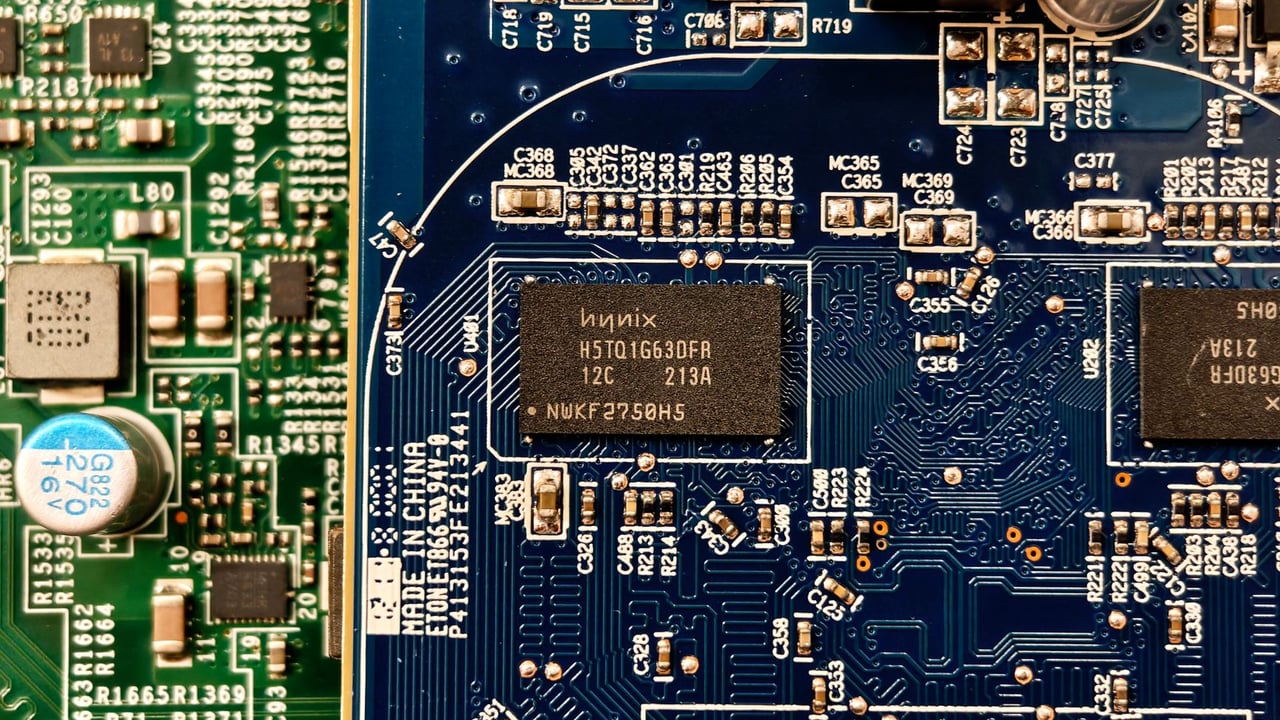
Detailed close-up of computer circuit boards highlighting electronic components and intricate circuitry.

Key Takeaways

  • 1Storage chip costs for budget smartphones have risen from 15% to over 50% of the total bill of materials, erasing profit margins.
  • 2Global manufacturers are prioritizing AI-centric HBM and DDR5 production, leading to a 700% price increase in legacy DRAM since 2022.
  • 3Smartphone shipments are projected to hit a 14-year low in 2026-2027 due to increased retail prices and longer replacement cycles.
  • 4A major class-action lawsuit in the U.S. alleges that Samsung, SK Hynix, and Micron are colluding to restrict supply and maintain high prices.
  • 5Domestic Chinese memory firms like CXMT are seeing a historic opportunity to capture market share as handset makers seek stable, local supply chains.

Editor's
Desk

Strategic Analysis

The current memory crisis represents a fundamental restructuring of the tech hardware hierarchy. For a decade, the 'democratization' of technology relied on the plummeting cost of components, but the AI revolution has reversed this trend by creating a high-margin competitor for the same silicon wafers. This creates a dangerous 'K-shaped' recovery for the industry: premium brands like Apple may actually benefit as the price gap between mid-range and flagship devices narrows, while brands serving the emerging middle class in developing markets face potential bankruptcy. Strategically, this is a double-edged sword for Beijing. While the price hikes hurt China's massive handset export industry, the supply crunch acts as a powerful catalyst for 'de-Americanization,' forcing Chinese firms to validate and adopt domestic memory solutions at a pace that would have been impossible in a balanced market.

China Daily Brief Editorial
Strategic Insight
China Daily Brief

The era of the 'thousand-yuan' smartphone—the reliable, sub-$150 backbone of the mobile revolution—is facing an existential crisis. As artificial intelligence continues its relentless march across the global economy, the high-performance memory chips required to power AI data centers are starving the production lines of the humble DRAM used in budget consumer electronics. By 2027, industry analysts warn that the 1,500-yuan ($200) price point may disappear entirely from the market as memory costs consume what little profit remained for hardware manufacturers.

At the heart of this disruption is a radical reallocation of silicon. The global memory giants—Samsung, SK Hynix, and Micron—are pivoting their production capacity toward High Bandwidth Memory (HBM) and enterprise-grade DDR5 to meet the insatiable demands of AI servers. This shift has left the consumer sector scavenging for scraps. For budget devices still reliant on older DDR4 standards, the situation is particularly dire; as legacy production lines are shuttered, a supply-demand imbalance has caused prices to skyrocket by nearly 700% since 2022.

The impact on the Bill of Materials (BOM) is staggering. In a typical budget smartphone, storage components traditionally accounted for 10% to 15% of the total cost. Recent data suggests this figure has ballooned to over 50%, effectively turning the hardware into a loss-leader or a fiscal impossibility. While premium brands like Apple have the margin to absorb these costs or pass them to affluent consumers, budget-focused brands like Transsion and Xiaomi’s entry-level series are seeing their unit volumes plummet as they are forced to hike prices.

This economic squeeze has already triggered legal and corporate fallout. A class-action lawsuit recently filed in California accuses the memory 'Big Three' of synchronized production cuts to artificially inflate prices, echoing previous collusion scandals in the sector. Meanwhile, the crisis is providing a strategic opening for Chinese domestic memory players like ChangXin Storage (CXMT). As international supply tightens, Chinese handset makers are aggressively pivoting toward home-grown alternatives to secure their supply chains, potentially accelerating China’s quest for semiconductor self-sufficiency.

Share Article

Related Articles

📰
No related articles found