A Fragile Shield: Why Washington is Protecting Iranian Envoys from Israeli Shadows

The United States reportedly took the extraordinary step of warning Iran about Israeli plots to assassinate its top negotiators during sensitive talks. This move highlights a profound strategic rift between Washington and Jerusalem over how to handle Tehran's regional influence.

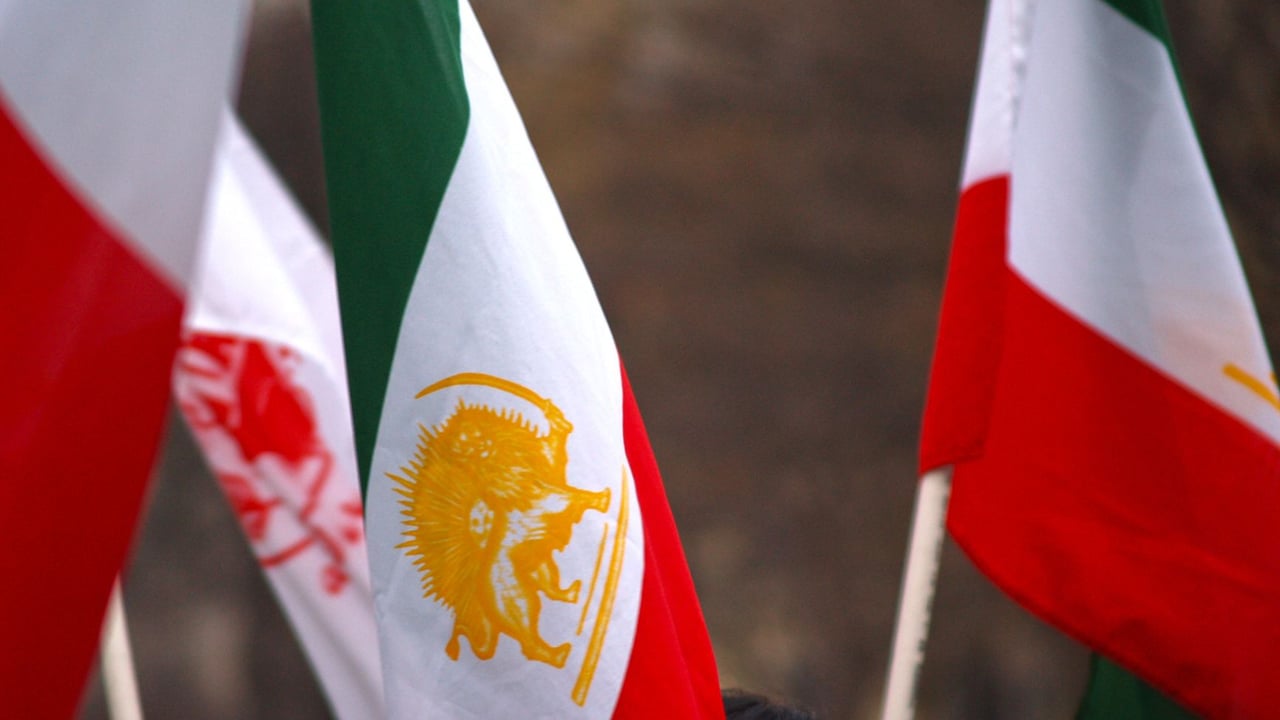
Close-up of Iranian flags waving outdoors in Washington, DC, showcasing cultural identity.

Key Takeaways

  • 1U.S. intelligence identified Israeli plots to assassinate Iranian negotiators including Abbas Araghchi.
  • 2Warnings were reportedly delivered to Iran via regional intermediaries to prevent a collapse of peace talks.
  • 3The incident reveals a fundamental disagreement between U.S. diplomatic goals and Israeli security tactics.
  • 4The U.S. administration prioritized the diplomatic process over traditional intelligence-sharing protocols with Israel.
  • 5The reports suggest a high degree of U.S. concern regarding a regional war sparked by targeted killings.

Editor's
Desk

Strategic Analysis

This development represents a significant 'de-risking' of American foreign policy, where the preservation of a diplomatic 'off-ramp' takes precedence over supporting an ally's covert operations. By shielding Iranian officials, the U.S. is effectively policing its own ally to maintain a fragile regional status quo. This suggests that the 'special relationship' is facing a structural crisis, as Washington now views Israeli unilateralism as a direct threat to American strategic stability. Moving forward, this precedent may embolden Tehran to engage more deeply, knowing the U.S. acts as a silent guarantor of their physical security during negotiations.

China Daily Brief Editorial
Strategic Insight
China Daily Brief

Recent revelations suggesting the United States warned Iran of potential Israeli assassination plots mark a startling shift in the Middle East’s clandestine landscape. During critical diplomatic overtures in 2026, American officials reportedly alerted Tehran that high-ranking negotiators, including Foreign Minister Abbas Araghchi and Speaker Mohammad Bagher Qalibaf, were in the crosshairs of Israeli intelligence operations.

This intervention underscores a widening chasm between Washington’s pursuit of regional stability and Jerusalem’s commitment to a maximum-pressure campaign. While the U.S. administration views diplomatic engagement as a vital tool to prevent nuclear escalation, Israel increasingly regards these same negotiations as a strategic smoke screen that must be disrupted to ensure long-term security.

The inclusion of Araghchi and Qalibaf as potential targets illustrates the breadth of the alleged Israeli strategy. By targeting high-profile diplomatic and political figures, Israel would not only eliminate key decision-makers but effectively scuttle any chance of functional dialogue for the foreseeable future, a move the U.S. clearly sought to preempt.

For the White House, the decision to share intelligence with a long-time adversary reflects a cold calculus where the risk of a regional conflagration outweighs traditional alliance norms. This suggests that U.S. national interests are no longer moving in lockstep with Israeli tactical maneuvers, signaling a more transactional and protective stance over its own diplomatic investments.

Share Article

Related Articles

📰
No related articles found