
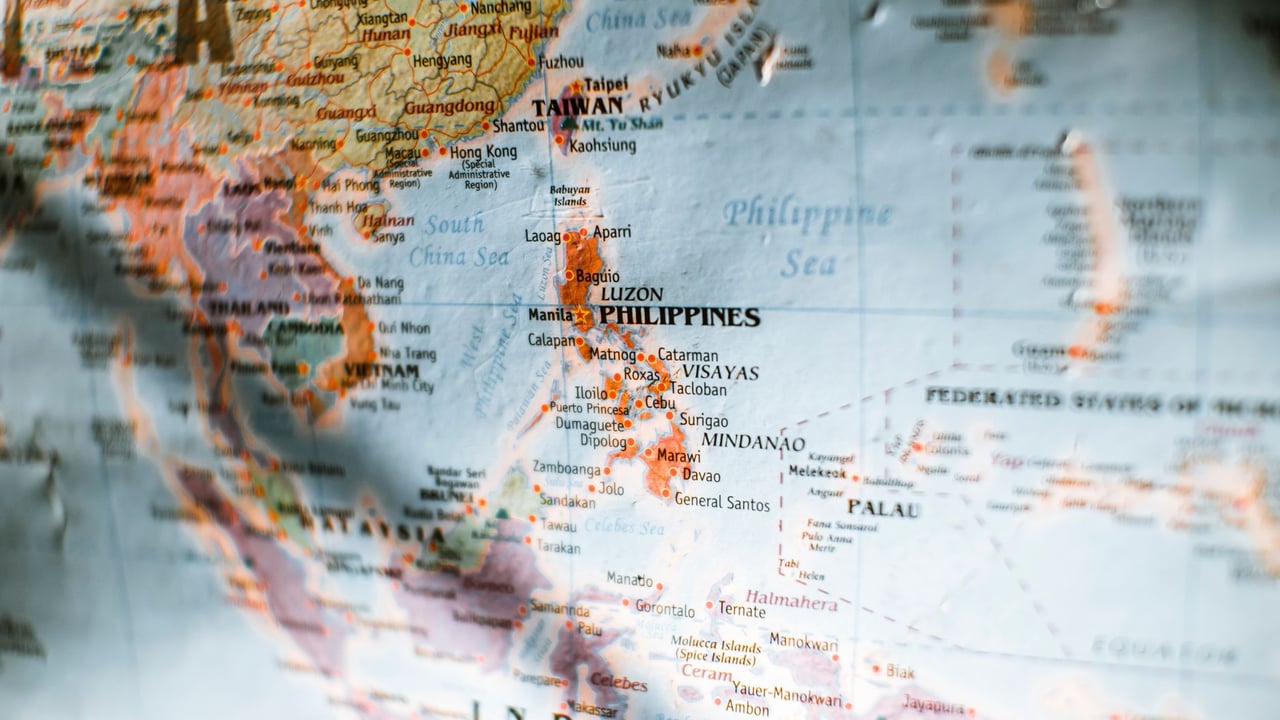

The tenth anniversary of the South China Sea arbitration ruling arrives at a moment of heightened geopolitical friction in the Indo-Pacific. What was once a technical legal battle in The Hague has transformed into a symbol of the deep-seated ideological and territorial divide between Beijing and Manila. For the Chinese leadership, the 2016 decision remains an illegitimate "farce" that lacks any binding authority over its historical sovereign claims.
The original ruling, spearheaded by the Philippines, challenged China’s expansive "nine-dash line" under the United Nations Convention on the Law of the Sea (UNCLOS). While the tribunal largely sided with Manila, Beijing’s refusal to participate or acknowledge the results created a legal stalemate that persists a decade later. This rejection is not merely a diplomatic posture but a core tenet of China's broader maritime and sovereignty strategy.
Beijing currently frames the arbitration as a "paper tiger"—a fragile and ultimately inconsequential obstacle that stands in the way of regional peace and stability. From China's perspective, the Philippines' continued reliance on this "scrap of paper" as a legal shield only serves to complicate direct bilateral negotiations and destabilize the South China Sea. This rhetoric highlights a clear preference for regional "code of conduct" talks over international legal interventions.
The stakes have risen significantly as the Philippines, under the administration of Ferdinand Marcos Jr., has sought to reinforce its claims through closer military ties with the United States. As Manila leverages the 2016 ruling to justify its presence in contested waters, Beijing counters with more assertive maritime patrols and infrastructure development. This cycle of legal rejection and physical confrontation ensures that the arbitration ruling will continue to cast a long shadow over Asian security.