

The Chinese State Council has officially released its 15th Five-Year Plan (2026–2030) for the construction of a 'Beautiful China,' marking a decisive phase in the nation's ambitious environmental overhaul. This roadmap serves as the essential bridge between the 2030 carbon peaking deadline and the long-term vision of achieving a fundamentally improved ecological state by 2035. The policy signals a strategic shift from reactive pollution control to a proactive, technology-driven restructuring of the national economy.
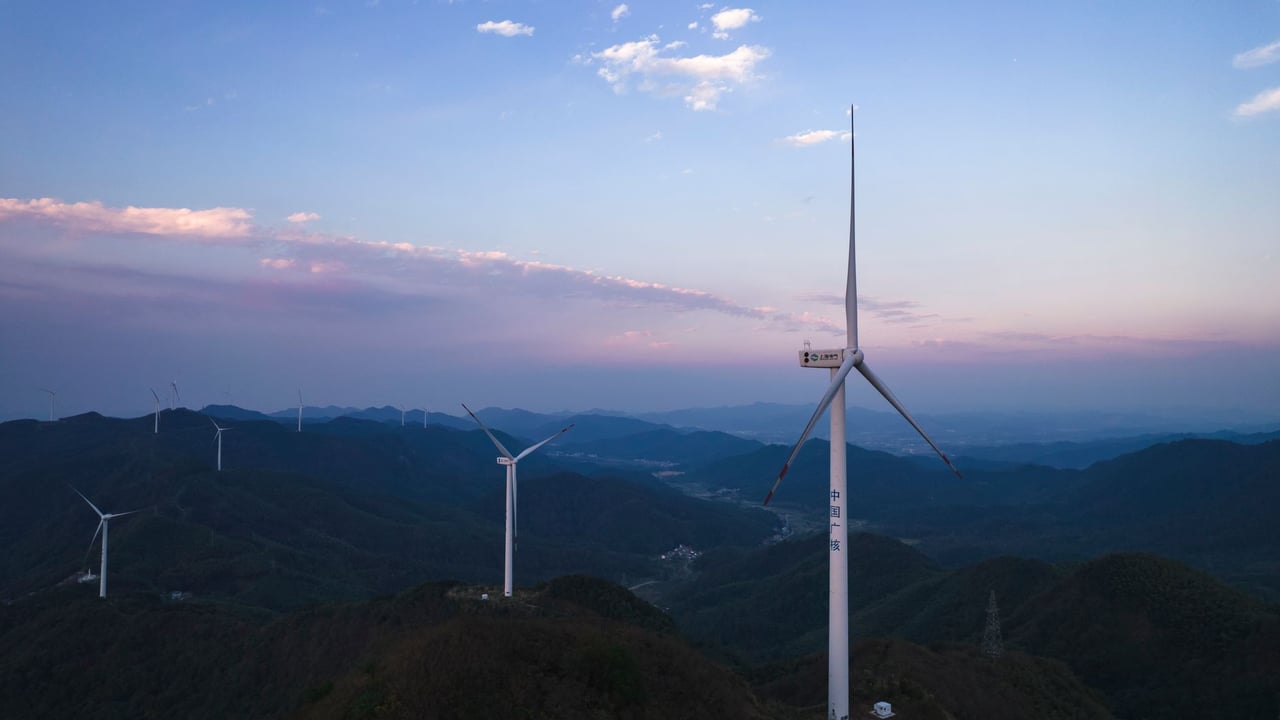
At the heart of the plan is the 'dual control' system for carbon emissions, which targets both total volume and intensity. Beijing intends to synchronize carbon reduction with industrial modernization, prioritizing the expansion of renewable energy sectors while maintaining 'rational control' over coal-fired power. By 2030, the government expects to have established a basic framework for green production and lifestyle, ensuring that carbon emissions reach their peak as promised under international climate commitments.
Beyond traditional pollutants, the 15th Five-Year Plan introduces a sophisticated focus on 'New Pollutants' such as microplastics, antibiotics, and persistent organic pollutants. This indicates a maturing regulatory environment that is moving into the finer details of chemical safety and public health. Simultaneously, the plan emphasizes 'ecological security,' incorporating nuclear safety and the protection of biodiversity through a national park system that is expected to cover at least 18% of China’s land area.
To ensure these targets are met, the plan outlines a digital transformation of environmental governance. The integration of artificial intelligence, satellite sensing, and a 'unified code' for hazardous waste tracking suggests a move toward a high-tech, real-time monitoring regime. Furthermore, the expansion of the national carbon trading market to include more industrial sectors will utilize market mechanisms to drive the green transition, moving away from purely administrative mandates.
Internationally, the plan reaffirms China's intent to lead global climate governance. By promoting a 'Green Silk Road' and deepening cooperation in South-South frameworks, Beijing is positioning its ecological standards as a model for the developing world. The document makes it clear that the 'Beautiful China' initiative is not merely an environmental project, but a foundational pillar of the nation's broader 'high-quality development' strategy and its quest for rejuvenation.