

A-share markets across China witnessed a broad-based rally on the morning of July 3, 2026, as investors pivoted toward a combination of defensive safe havens and high-growth frontier technologies. The benchmark Shanghai Composite and the tech-heavy ChiNext both saw significant gains, driven by a surge in precious metals and the burgeoning humanoid robotics sector. This dual-track momentum suggests a market that is simultaneously hedging against global macroeconomic uncertainty while doubling down on China’s lead in the next phase of the industrial revolution.
The rally in precious metals was catalyzed by cooling economic data from the United States, where weaker-than-expected employment figures and manufacturing PMI data have revived hopes for a more dovish Federal Reserve. As the prospect of lower interest rates weakens the dollar, gold and silver futures in Shanghai jumped, with major miners like Zhaojin Gold and Chifeng Gold hitting their daily upward price limits almost instantly. This domestic surge mirrors a broader global trend where central banks are aggressively diversifying reserves into gold, with 89% of reserve managers now signaling intent to increase holdings over the next year.
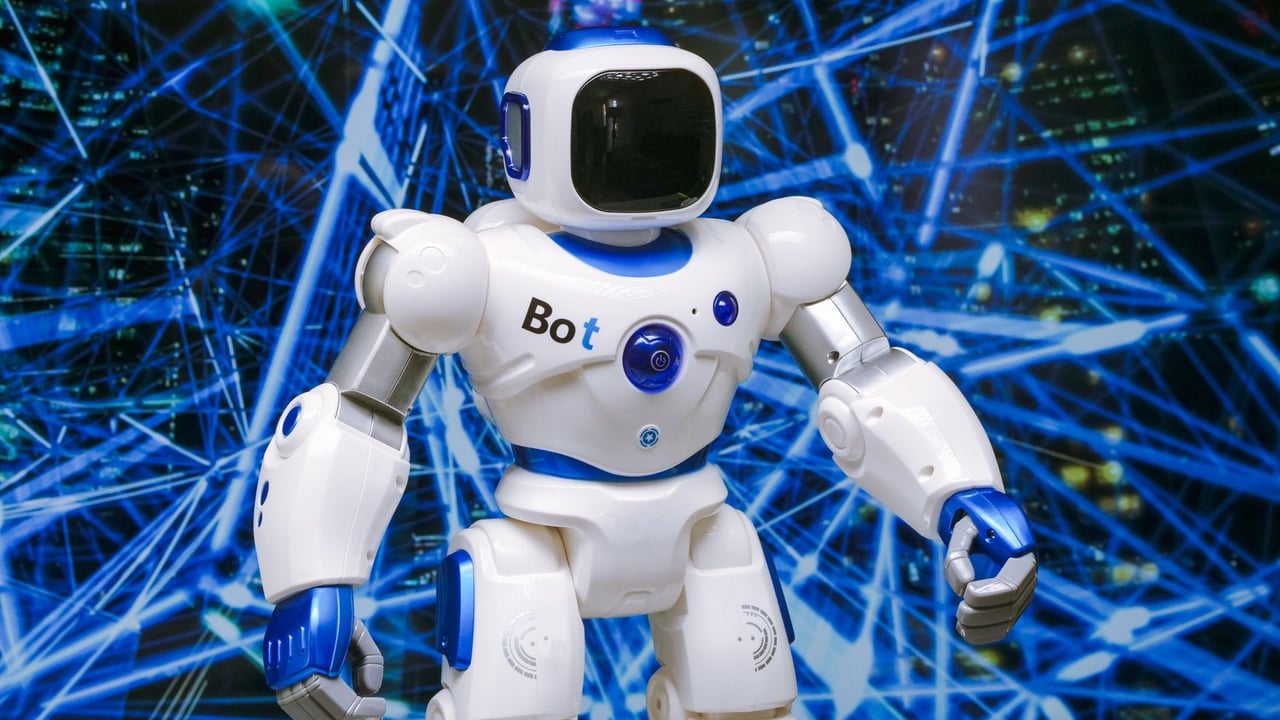
Parallel to the flight to safety, the humanoid robot sector experienced a vertical ascent, fueled by concrete signs of commercial scaling. Ubtech, a leader in the field, recently announced that orders for its new U1 series have surpassed 13,000 units—a tenfold increase over the previous year's total sales. This surge in demand has triggered a massive capital influx into the supply chain, with over 14.8 billion yuan in net inflows recorded in a single morning. Key components manufacturers specializing in motors, reducers, and high-performance materials are the primary beneficiaries of this capital rotation.
Institutional analysts are increasingly bullish on the integration of embodied artificial intelligence within the Chinese manufacturing ecosystem. Morgan Stanley recently revised its 2026 shipment forecasts for Chinese humanoid robots upward to 50,000 units, projecting a staggering compound annual growth rate of 106% through 2030. As these machines transition from laboratory prototypes to factory-floor realities, the domestic supply chain for high-precision motors and sensors is expected to undergo a period of rapid margin expansion and technological maturation.
The broader market sentiment reflects a strategic positioning within the 'new quality productive forces' framework. While the precious metals rally offers a cushion against geopolitical fragmentation and currency devaluation, the robotics boom represents a speculative bet on China’s ability to automate its way out of demographic headwinds. For global investors, the July 3 rally serves as a reminder that the Chinese market remains a unique theater where traditional macro hedges and futuristic tech optimism can thrive in tandem.