
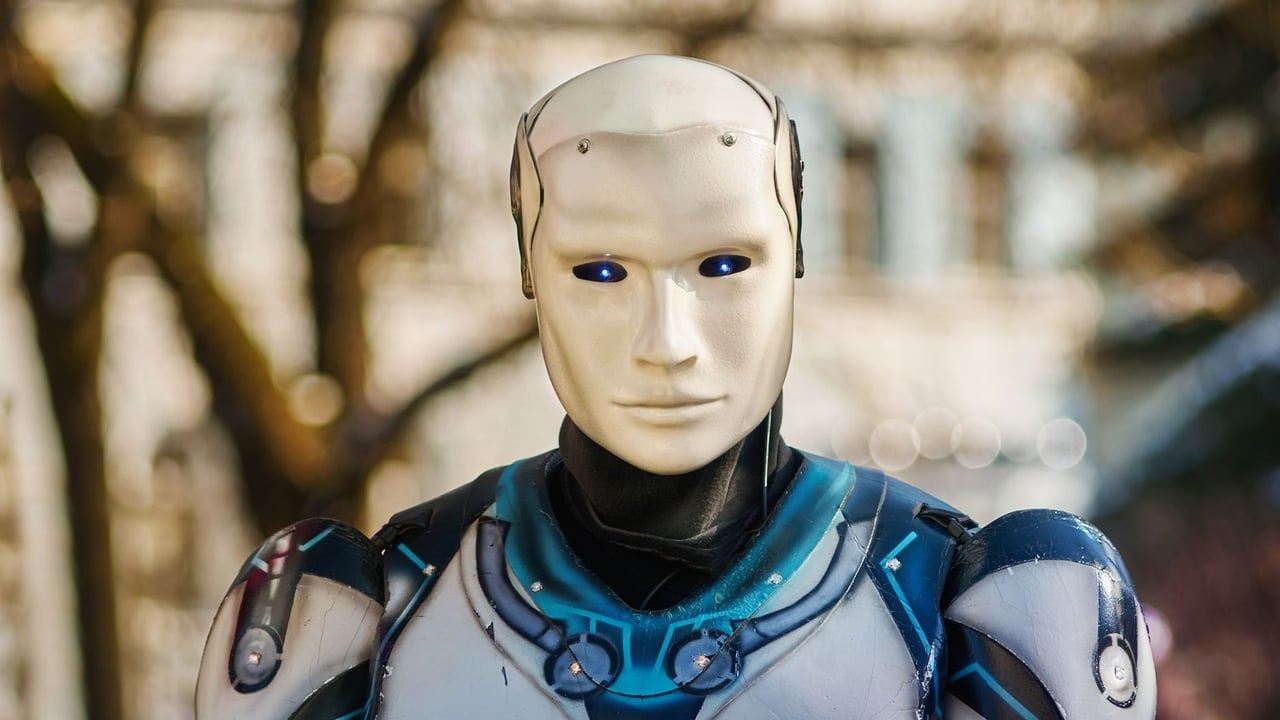

In April 2026, a Shenzhen-based startup named Somnia Lab quietly secured nearly $10 million in angel funding. Despite the significant sum, the round lacked a public list of marquee investors or a splashy media rollout, reflecting the profound social and regulatory tension surrounding the company’s core product: AI-powered sex robots. This silence underscores a major shift in the industry as hardware once relegated to adult novelty shops is being re-engineered with large language models (LLMs) and advanced robotics.
The global sex robot industry began as a Western ambition, marked by the 2010 debut of 'Roxxxy' by New Jersey’s True Companion and the later development of 'Harmony' by California-based Abyss Creations. While these firms established the technical and emotional blueprints for artificial companionship, high costs and production limitations kept them as niche curiosities. Now, the center of gravity has shifted to the Pearl River Delta, where the world’s manufacturing infrastructure for silicone dolls is meeting the cutting edge of Chinese artificial intelligence.
Zhongshan-based WMdoll, already the world’s largest producer of silicone dolls, has seen a surge in orders by embedding open-source AI models into its products. While these early iterations are rudimentary—essentially voice-activated dolls—newer players like Shenzhen’s Starpery and Somnia Lab are pushing toward 'embodied AI.' Somnia Lab’s first female model, 'Sil姬' (Silicon Lady), reportedly stands 1.75 meters tall but weighs only 20 kilograms, suggesting a leap in materials science and mechanical engineering intended for mass-market appeal.
These companies are navigating a complex 'export-first' strategy. While the manufacturing is domestic, the primary markets are the United States, Europe, and Japan, where legal frameworks and social acceptance are more permissive than in mainland China. Domestically, the legal status of sex robots remains a gray area, often caught between being classified as consumer electronics or obscene materials. This ambiguity has led Chinese firms to focus on overseas 'offline experience stores' in cities like Tokyo, Berlin, and Amsterdam.
As these machines become more lifelike, the industry is racing toward a 'Black Mirror' reality that raises existential questions about privacy and human isolation. These robots collect highly sensitive data, including voiceprints, facial recognition, and intimate user preferences, creating a massive potential for data breaches. Beyond the security risks, critics argue that the rise of perfect, compliant companions may not solve the global loneliness epidemic, but rather exacerbate it by replacing the challenges of human relationships with the hollow comfort of silicon and code.