
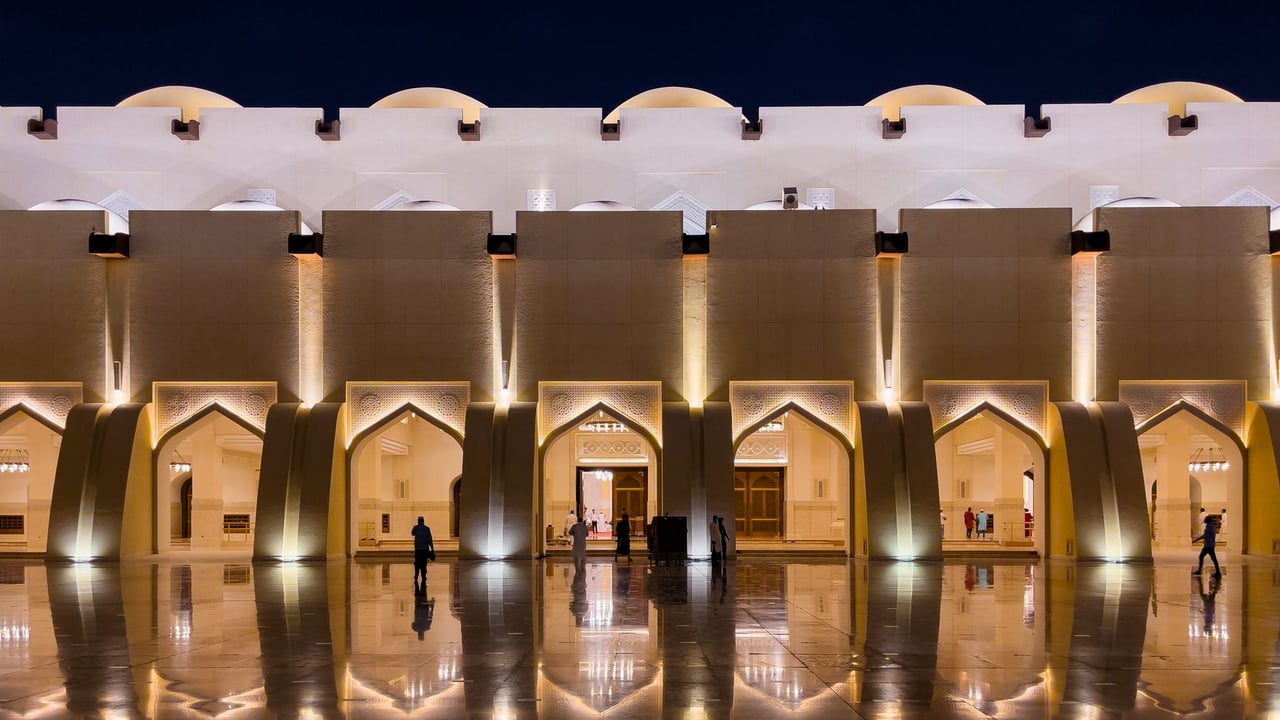

In the diplomatic corridors of Doha, indirect technical talks between the United States and Iran have concluded with a familiar mixture of incremental progress and profound mutual suspicion. While both sides have agreed to continue consultations, the shadow of the late Supreme Leader Ayatollah Khamenei’s funeral in Tehran looms large over the diplomatic calendar. This latest round of Qatari-mediated dialogue suggests that while a 'lasting peace' remains elusive, a pragmatic and transactional framework is beginning to take shape under the current American administration.
For Tehran, the primary objective remains the liquidation of frozen assets to stabilize a brittle domestic economy. Deputy Foreign Minister Kazem Gharibabadi confirmed that discussions focused heavily on the mechanics of releasing $6 billion in funds currently held in Qatari accounts. While these funds are ostensibly earmarked for humanitarian goods, the Iranian delegation also used the platform to voice grievances regarding alleged American violations of a memorandum of understanding concerning a ceasefire in Lebanon, signaling that regional proxy issues remain inextricably linked to financial de-escalation.
From the American perspective, the optics are defined by a 'deal-first' approach led by the Trump-Vance administration. Vice President JD Vance characterized the technical talks as proceeding smoothly and signaled that substantive nuclear discussions are on the immediate horizon. However, this diplomatic opening is paired with a clear coercive threat; Vance pointedly refused to rule out a return to full-scale military operations should Tehran fail to meet upcoming deadlines, placing the burden of proof for 'sincerity' squarely on Iranian shoulders.
Within Iran, the government’s triumphalist rhetoric regarding 'sanction pauses' faces a wall of deep-seated public skepticism. Despite official claims of success in unfreezing assets, the Iranian public remains wary after years of economic stagnation and failed agreements. As academic observers in Tehran have noted, there is a growing disconnect between high-level diplomatic signaling and the tangible reality of the Iranian economy, where many believe that no amount of dialogue with Washington can guaranteed long-term stability.