
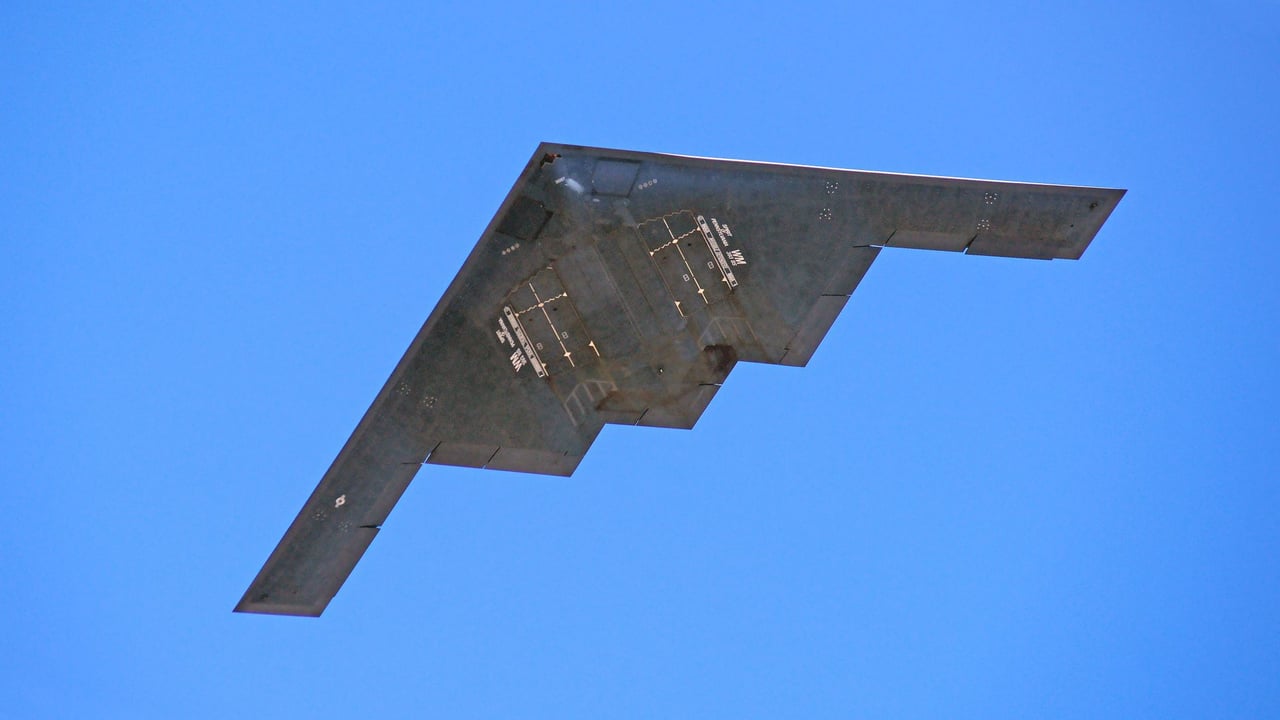

The U.S. Air Force has officially dampened expectations for a high-profile public debut of its most advanced stealth bomber. Despite swirling rumors and suggestive corporate marketing, officials confirmed this week that the B-21 Raider will not participate in the "USA 250" independence celebrations in Washington, D.C. This decision underscores a rigid adherence to developmental timelines over the allure of nationalistic fanfare.
Current flight test protocols at Edwards Air Force Base are cited as the primary reason for the Raider’s absence. The aircraft is currently immersed in critical aerial refueling tests, and air force leadership has deemed it impossible to divert these pre-production airframes for a transcontinental public flyover. Maintaining the momentum of the testing phase remains the Pentagon's top priority as it looks to field the bomber in significant numbers.
The official denial highlights a notable disconnect between the Pentagon’s cautious operational posture and the marketing ambitions of Northrop Grumman. The defense contractor recently fueled speculation by releasing promotional videos showing the B-21 metaphorically "blowing out" 250 candles on a Utah salt flat. While the imagery was designed for a celebratory milestone, the military has opted to keep the actual hardware grounded and out of the public eye.
Political signaling had also played a role in the public's anticipation, with President Donald Trump touting an upcoming display of the "newest and fastest" military aircraft on social media. While the Raider will remain in the Mojave Desert, the flyover will still showcase the pillars of American aerial might, including the B-2 Spirit and the B-52 Stratofortress. Even a newly transitioned Air Force One is expected to make an appearance, ensuring the event remains a massive demonstration of traditional air power.
Ultimately, the U.S. Air Force is signaling that the B-21's developmental integrity is more vital than a symbolic show of force. In an era of heightened great-power competition, particularly with China, the military is choosing to avoid the risks associated with premature public displays. For now, the Raider remains a ghost in the machine, prioritized for the hangars of Edwards rather than the skies over the National Mall.