
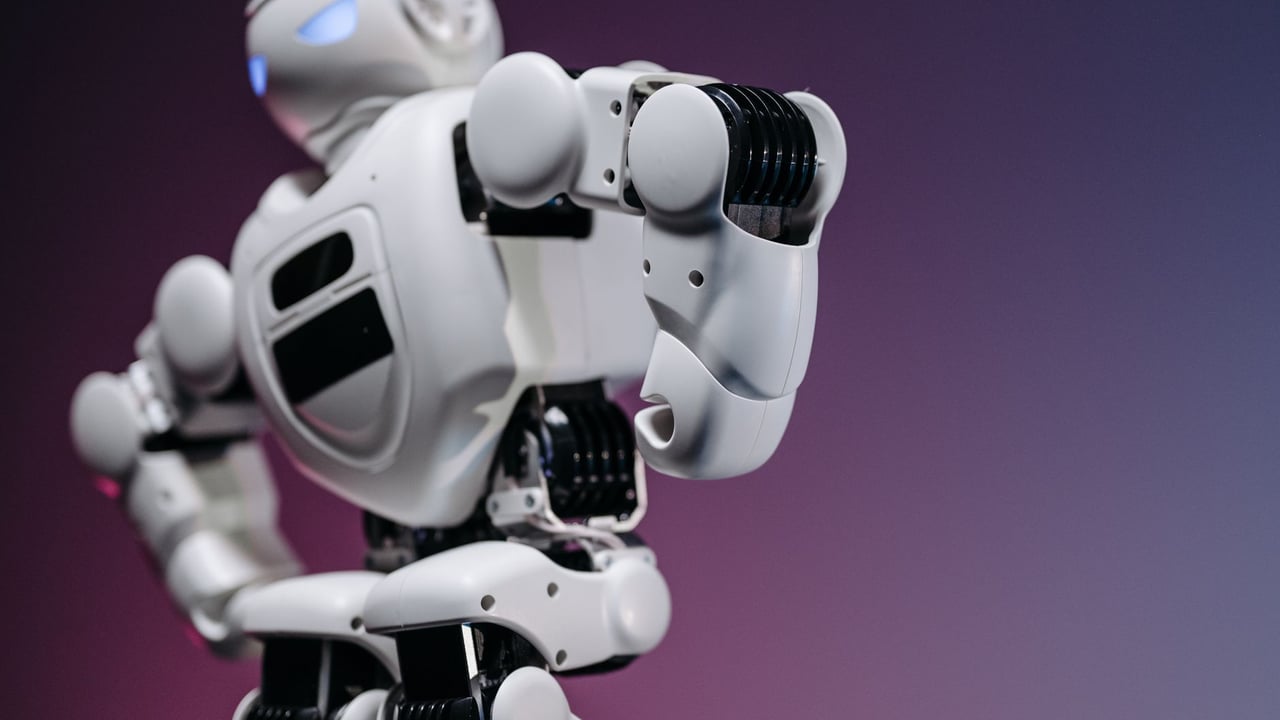

From community canteens in Shanghai where mechanical arms boil noodles to shopping malls where robotic 'baristas' master latte art, the era of humanoid robots has moved beyond the laboratory. With prices for these high-tech companions now ranging from $15,000 to over $140,000, the global market is projected to reach $20 billion by 2030. Yet, for many Chinese enterprises, the leap from pilot projects to mass adoption is stalled by a fundamental anxiety: the high cost of a collision or a technical malfunction.
Industry leaders argue that insurance is now the 'last mile' of commercialization for embodied artificial intelligence. Because humanoid robots are packed with expensive sensors and precision joints, terminal customers are often paralyzed by the fear of damage or third-party injury that they simply cannot afford to settle. Without a financial safety net, large-scale procurement remains a distant dream, effectively capping the growth of a sector Beijing has designated as a strategic priority.
The insurance industry is stepping into this void, albeit with significant trepidation due to a total lack of historical actuarial data. Unlike traditional industrial machinery, humanoid robots are dynamic, interactive, and autonomous, creating a nightmare for liability adjusters. When an accident occurs, it is currently difficult to determine if the fault lies with the hardware manufacturer, the software developer, or the end-user’s operational context.
To solve this, a novel 'insurance + leasing' ecosystem is emerging as the dominant model for scaling. Specialized leasing platforms are acting as data intermediaries, capturing the 'black box' operational logs that insurers need to price risk accurately. By pooling data from thousands of units across diverse scenarios—ranging from elder care to factory floors—insurers like PICC and Ping An are finally moving away from guesswork toward evidence-based premiums.
Government intervention is further greasing the wheels of this transition through aggressive subsidy programs. In cities like Beijing and Ningbo, local authorities are covering up to 80% of insurance premiums for firms adopting humanoid robots, with annual caps reaching as high as 2 million yuan. This state-led de-risking is intended to catalyze the '15th Five-Year Plan' objectives, which aim for the常态化 (normalization) of robot deployment by the end of 2026.