

Global financial markets reacted sharply on July 3, 2026, as a convergence of cooling U.S. economic data and intensifying geopolitical rhetoric from Tehran pushed oil and precious metals higher. NYMEX WTI crude and ICE Brent both saw gains, but the real movement was in gold and silver, which surged as weak U.S. non-farm payroll data fueled expectations that the Federal Reserve would pause its hawkish interest rate cycle.
Beneath the market fluctuations lies a deepening diplomatic rift. Iranian officials have issued a series of stark warnings to the United States regarding a bilateral Memorandum of Understanding (MoU), the details of which remain sensitive. Tehran claims its recent adherence to ceasefire arrangements was a strategic gesture to ensure regional stability, made at the request of neighboring allies, rather than a concession of position.
In a high-level call with the Turkish Defense Ministry, Iran’s Acting Defense Minister, Ibn Reza, emphasized that the Iranian military remains on "high alert." He cautioned that any American deviation from the MoU would meet a decisive response, noting that Iran maintains zero trust in Washington's diplomatic commitments. This rhetoric signals that the temporary de-escalation in the Persian Gulf is increasingly precarious.
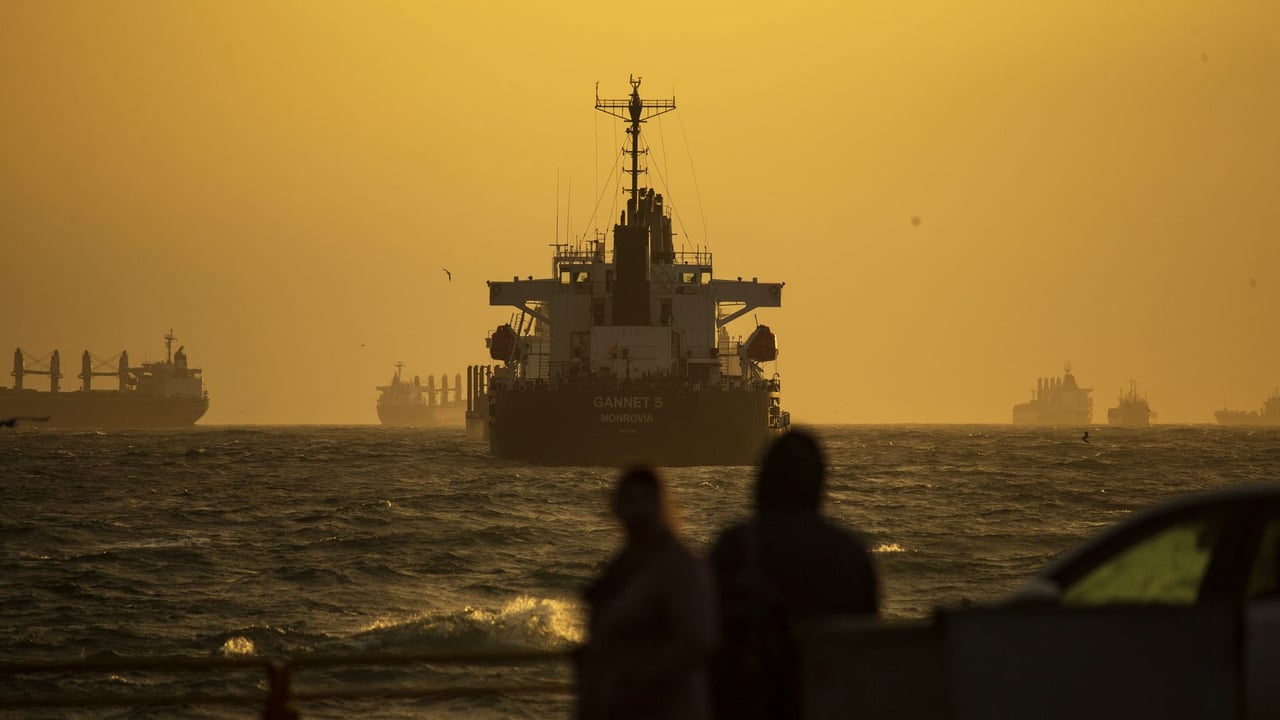
Most significantly, Iranian Parliament Speaker Mohammad Bagher Qalibaf has introduced a proposal to fundamentally reshape the security of the world’s most vital energy artery. Qalibaf stated that the management of the Strait of Hormuz should be the exclusive domain of Iran and Oman. This move is a direct challenge to the longstanding U.S. naval presence in the region, which Tehran views as a primary source of regional insecurity.
By advocating for a joint Iranian-Omani maritime framework, Tehran is attempting to leverage its geographic position to sideline Western influence. This proposal, discussed during meetings with Iraqi leadership, aims to build a regional consensus that excludes "foreign forces." For global energy markets, any shift in the administrative status of the Strait—through which twenty percent of the world's oil flows—represents a systemic risk that transcends traditional supply and demand dynamics.