
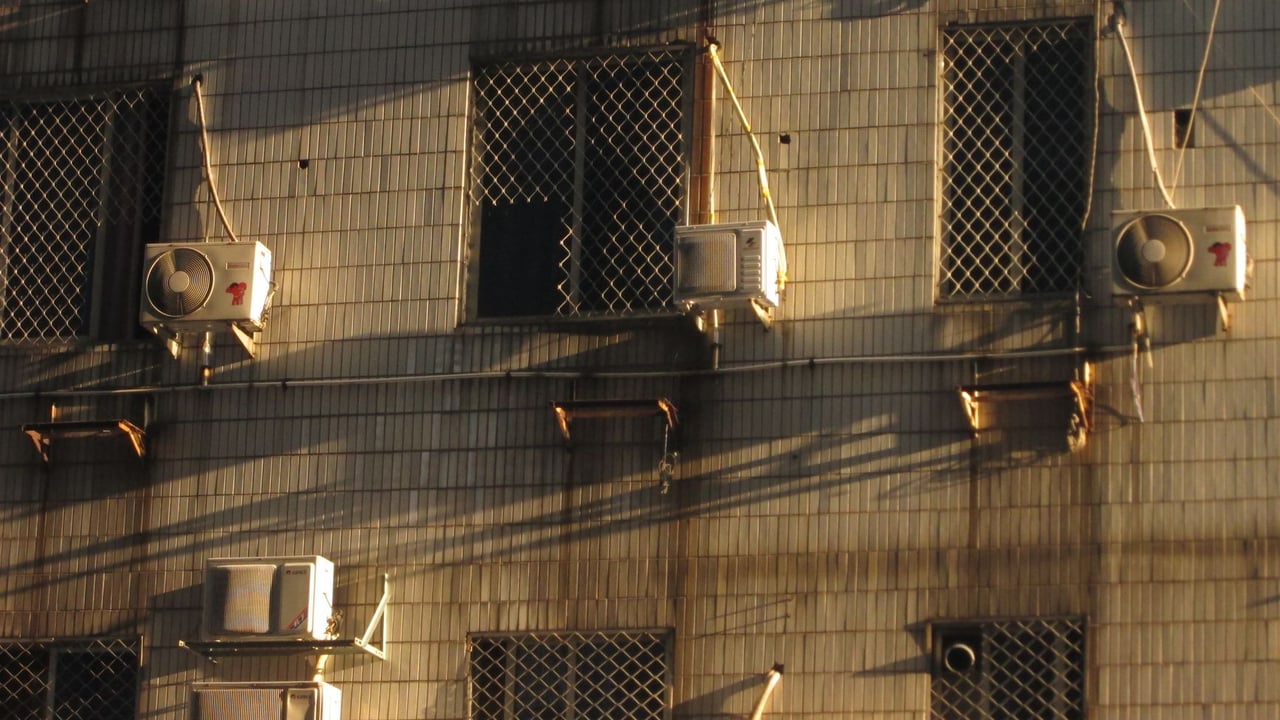

As a relentless heatwave pushes temperatures across Europe above 40°C, Chinese-made air conditioning units have transformed from simple household appliances into high-value 'hard currency.' In major markets like Germany, France, and Spain, demand has reached a fever pitch, with specialized portable split units being resold by scalpers for several times their retail price. This surge has created a stark divergence in the cooling industry, where overseas orders are hitting record highs while the domestic Chinese market remains unexpectedly tepid.
Data from China’s General Administration of Customs highlights this export explosion, showing that air conditioning exports to the EU reached $3.76 billion in the first half of 2026, a 43.2% year-on-year increase. Leading manufacturers like Midea, Gree, and Hisense report that their European inventories have been completely exhausted. To meet the emergency demand, these companies have shifted logistics from sea freight to the China-Europe Railway Express, cutting delivery times by nearly a month to restock depleted shelves in the West.
The success of Chinese brands this season is not merely a result of the weather, but a masterclass in localized engineering. Unlike the American market, Europe presents unique barriers to cooling: historic building protections often prohibit drilling into exterior walls, and the cost of professional installation can exceed the price of the unit itself. Chinese firms solved this by pivoting to 'no-install' portable split systems and window-hanging designs that meet strict noise and environmental regulations, effectively bypassing the shortage of European technicians.
In contrast, the 'home front' for these manufacturers is facing a structural chill. Despite the arrival of summer, domestic sales in China have been hampered by frequent rainfall in the south and a high base of comparison from last year’s aggressive price wars. Furthermore, Chinese consumers are exhibiting newfound caution, with many opting to repair old units rather than upgrade to premium new models. While specific regions like Xinjiang have seen sales spikes during localized heatwaves, the broader domestic market is struggling to regain its momentum.
Industry analysts suggest that the cooling sector is entering a period of permanent structural change. The low penetration of air conditioning in Europe—currently below 20% in many Western nations—represents a massive long-term growth frontier as global warming makes extreme heat a recurring reality. For Chinese giants, the focus is now shifting toward sustaining this global expansion to offset the saturation and economic headwinds of their home market.