
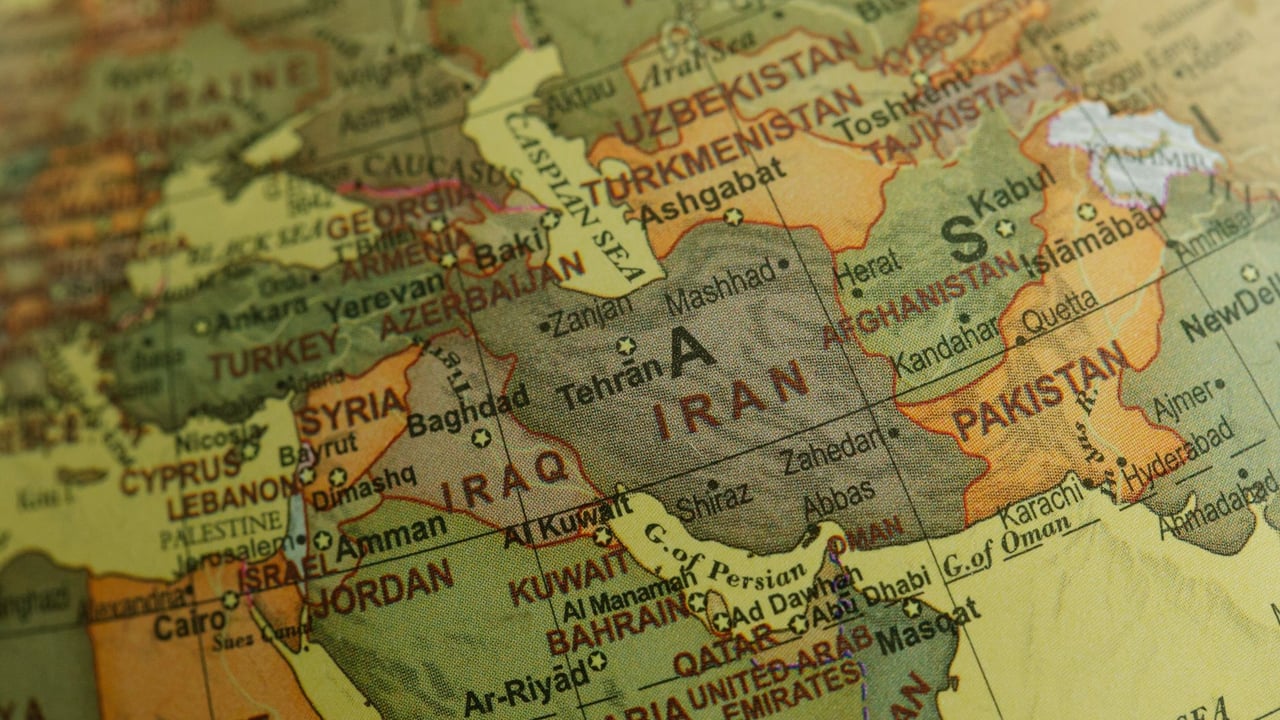

A profound shift is underway in the Middle East as traditional U.S. allies in the Gulf begin to break ranks with Washington’s long-standing policy of containment. For decades, the Gulf Cooperation Council (GCC) states have served as the financial and logistical backbone of American efforts to isolate Iran. However, recent developments suggest that the era of blind alignment is ending, replaced by a pragmatism born of deep-seated mistrust toward U.S. strategic objectives.
The catalyst for this diplomatic pivot appears to be a controversial U.S.-Iran memorandum of understanding that carries a staggering $300 billion price tag for regional reconstruction. Crucially, Washington expects the Gulf monarchies to foot this bill rather than drawing from its own coffers. Secretary of State Marco Rubio’s recent visit to the region was widely seen as an attempt to enforce this 'pay-to-play' arrangement, effectively placing Gulf leaders in an impossible political bind.
Faced with the choice of alienating their own populations through massive wealth transfers or defying American strategic dictates, Gulf states are increasingly choosing a third path: direct engagement with Tehran. Oman has already initiated high-level talks with Iran regarding the management of the Strait of Hormuz, and similar dialogues involving Saudi Arabia and Qatar are reportedly being fast-tracked. This 'bypass' strategy signals a clear rejection of being treated as ATM machines for American foreign policy.
The erosion of the U.S. security guarantee has been a long time coming. Regional capitals have watched with growing alarm as the U.S. executed a chaotic withdrawal from Afghanistan and offered a muted response to Houthi attacks on critical energy infrastructure. These events have fostered a consensus that the American 'security umbrella' is increasingly conditional and unreliable, prompting a search for a more sustainable local equilibrium.
China’s influence as a mediator provides a compelling alternative to Western 'maximum pressure' tactics. The success of the Beijing-brokered rapprochement between Riyadh and Tehran demonstrated that direct dialogue can reduce military friction and unlock trade benefits without the high overhead of American military entanglements. For the Gulf states, the Chinese model of stability through negotiation is proving far more attractive than the American model of stability through confrontation.
This movement toward strategic autonomy represents a historical 'self-salvation' for the region. By reclaiming their role as primary actors rather than peripheral pawns, Gulf nations are attempting to build a security architecture that prioritizes their own economic interests over Washington’s geopolitical games. While the path to a lasting peace with Iran remains fraught with obstacles, the very act of talking marks a decisive break from the old guard of Middle Eastern politics.