
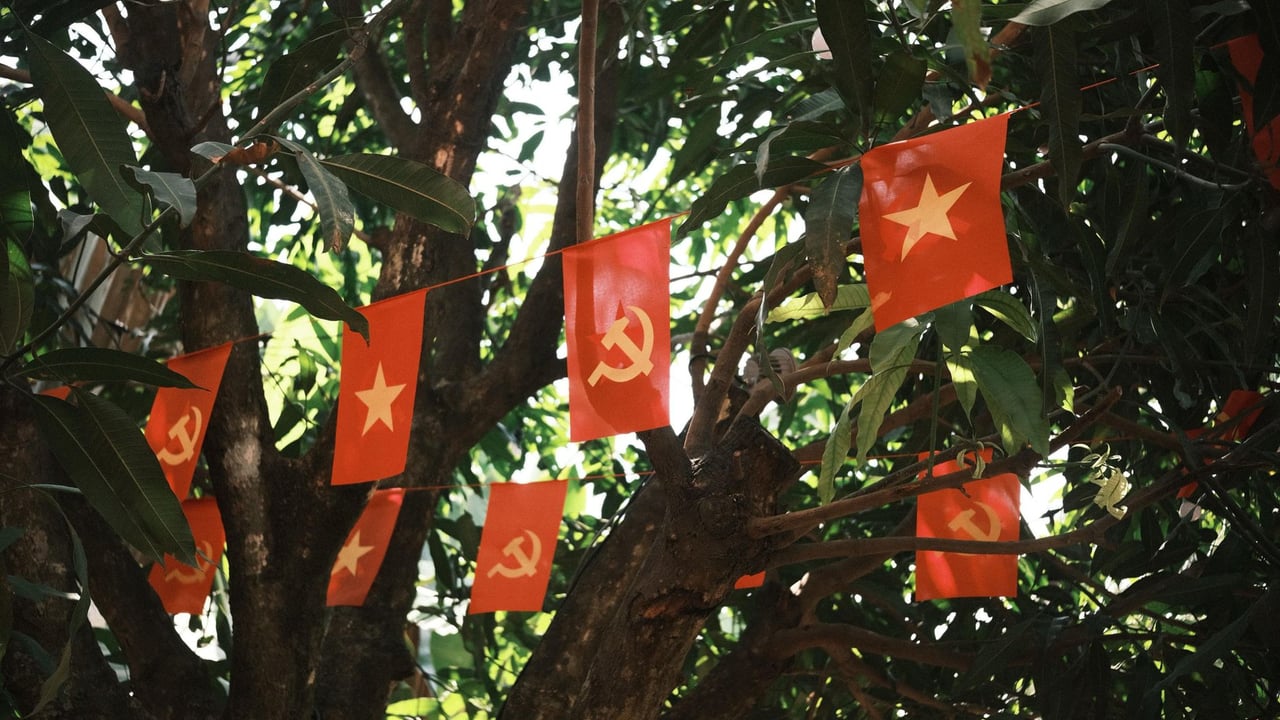

Deep in the loess hills of Yan'an, a site synonymous with the Chinese Communist Party’s (CCP) revolutionary survival, Venezuelan military officer Doris Lileiro stands amidst the artifacts of a bygone era. Her visit is part of a broader, sophisticated effort by Beijing to translate its domestic political myths into a universal language for its international partners. By immersing foreign officers in the 'Yan'an Spirit,' the CCP seeks to provide an ideological foundation for its burgeoning military and diplomatic alliances.
For Lileiro, the journey was framed as an 'immersive search' for the origins of the CCP’s guiding principle: 'Serve the People.' This slogan, first popularized by Mao Zedong in 1944, has been revitalized under the current leadership as both a mandate for domestic governance and a brand for export. To the visiting officer, these were not merely hollow words but a 'belief deeply rooted in the blood,' signaling a successful transmission of the CCP’s political narrative to a strategic Latin American ally.
Yan'an holds a unique place in the Chinese political imagination, serving as the headquarters for the communist movement after the Long March. Today, it functions as a primary hub for 'Red Tourism' and ideological training, not just for party cadres but increasingly for international delegations. By showcasing the hardships and eventual triumphs of the revolutionary generation, Beijing presents its model of development as one born of struggle and populist dedication, an attractive alternative to Western liberal democratic frameworks.
This ideological exchange serves a dual purpose in the context of China-Venezuela relations. Beyond the transfer of military hardware or economic aid, the alignment of political values creates a more resilient partnership against international pressure. For the Venezuelan military, observing the CCP’s historical relationship with the masses provides a template for maintaining institutional loyalty and domestic stability through the rhetoric of public service.