Silicon Hearts and Chilled Air: The New Frontier of Human Comfort and Climate War

As China begins mass-producing high-end emotional companion robots, Europe finds itself embroiled in a political culture war over the morality of air conditioning amidst record heatwaves. These parallel developments highlight a global shift where technology is increasingly used to mediate both environmental discomfort and human loneliness.

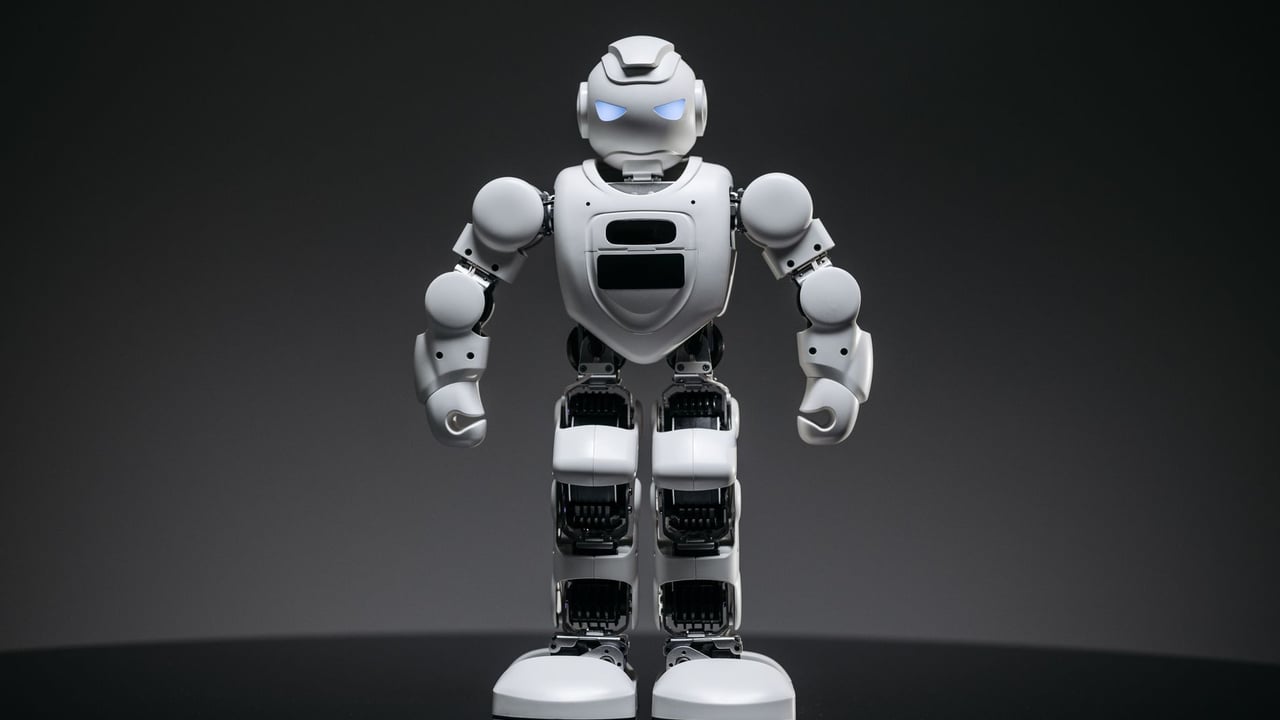
Close-up of a modern white robot with glowing eyes, symbolizing future technology and innovation.

Key Takeaways

  • 1UBTECH has launched the U1 series, the first mass-produced humanoid robot specifically designed for emotional companionship, priced at up to 990,000 RMB.
  • 2Europe is facing a severe AC 'culture war' where low penetration rates (20%) and environmental concerns clash with the rising death tolls from extreme heatwaves.
  • 3The rise of 'human-AI romance' on Chinese social media platforms points to a growing market for embodied AI despite significant privacy and psychological risks.
  • 4Refik Anadol has opened Dataland in Los Angeles, the first museum dedicated to AI-generated art, signaling the institutionalization of machine learning in high culture.
  • 5The debate over AC in Europe has become polarized, with far-right parties framing cooling as a right and left-wing groups warning against increased carbon emissions.

Editor's
Desk

Strategic Analysis

The simultaneous rise of emotional robotics in the East and the rejection of basic cooling technology in the West reveals a profound global inconsistency in our relationship with technology. China's push into companion robots suggests a 'technological fix' for the social isolation of an aging and lonely population, yet these machines remain largely symbolic of status rather than functional tools for care. Conversely, Europe's moralistic stance against air conditioning—rooted in a commendable but perhaps impractical environmentalism—demonstrates how 'identity politics' can hinder pragmatic adaptation to climate change. As we move deeper into the 2020s, the primary challenge for global leadership will not just be inventing new AI or green tech, but managing the cultural and ethical friction that arises when these technologies challenge our traditional views of intimacy, morality, and survival.

China Daily Brief Editorial
Strategic Insight
China Daily Brief

The dawn of the mass-produced humanoid robot has arrived, not in the form of a factory laborer, but as a high-priced companion designed to soothe the human soul. Shenzhen-based UBTECH recently unveiled its U1 series, marketed as the world’s first large-scale production emotional robot, carrying a price tag of nearly one million yuan. While the sleek, life-sized aesthetics promise a future of sci-fi intimacy, early field tests reveal a cavernous gap between marketing and mechanical reality, characterized by significant speech lag and limited battery endurance.

This technological leap occurs as human society grapples with more primal challenges brought on by a warming planet. Across Europe, a blistering heatwave has reignited a fierce 'culture war' over the humble air conditioner. Long dismissed by many Europeans as an American extravagance or an environmental moral failing, the cooling unit has become a political flashpoint, pitting the necessity of survival against the ideals of carbon neutrality.

The convergence of these trends—the pursuit of artificial intimacy and the struggle for physical climate adaptation—highlights a world in transition. While millions of users on Chinese social platforms explore the intricacies of 'human-AI romance,' European politicians are debating whether staying cool is a basic right or a betrayal of the planet. Both scenarios reflect a society increasingly looking to engineering to solve the existential anxieties of the 21st century.

At the intersection of these shifts lies Dataland, the world’s first AI-focused art museum which recently opened in Los Angeles. Using 'Large Nature Models' to recreate digital rainforests and sensory experiences, the institution mirrors our current paradox. We are building sophisticated digital recreations of the natural world and artificial versions of ourselves, even as we struggle to manage the basic physical environment and human connections that define our actual existence.

Share Article

Related Articles

📰
No related articles found