The Twilight of the Greyhound: US Navy Ends the Era of Fixed-Wing Carrier Logistics

The US Navy has officially retired the C-2A Greyhound from carrier service, ending nearly 60 years of fixed-wing logistics missions. The transition to the CMV-22B Osprey signals a strategic shift toward more versatile, tilt-rotor-based naval supply chains.

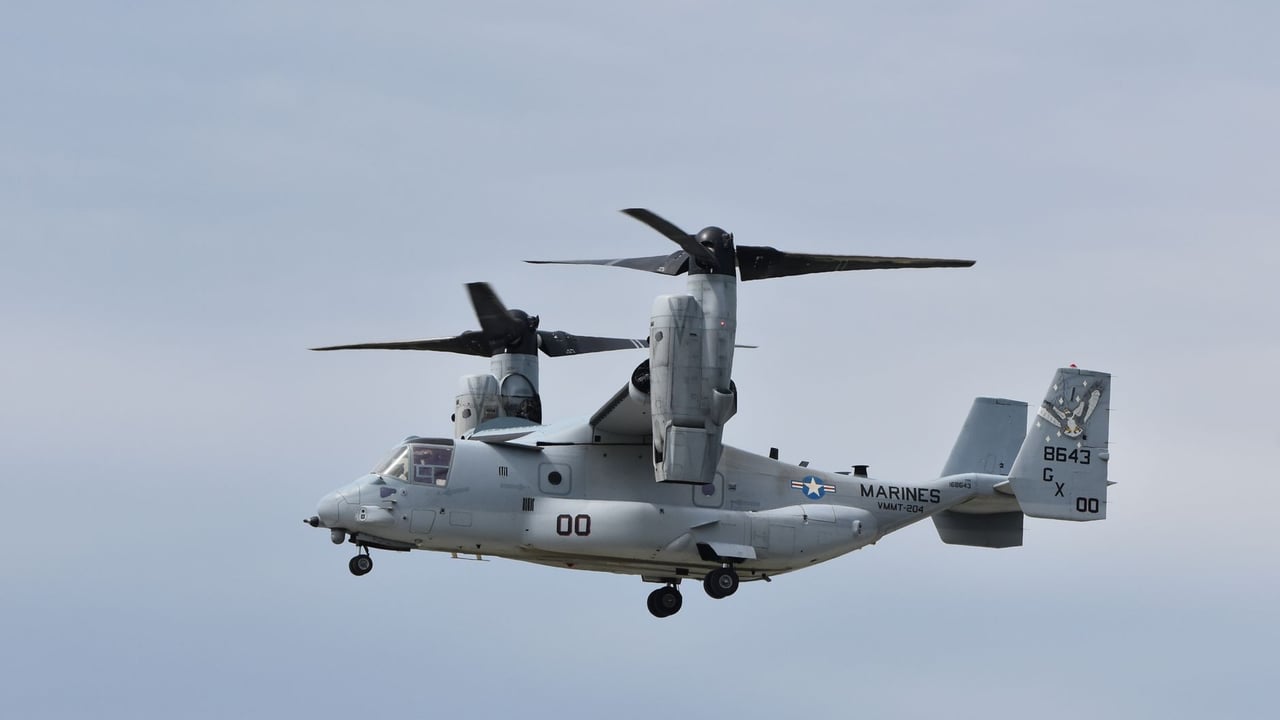
A V-22 Osprey military aircraft flying in a clear sky, showcasing its unique tiltrotor capability.

Key Takeaways

  • 1The C-2A Greyhound has completed its final mission on the USS Nimitz after nearly 60 years of service.
  • 2This retirement marks the end of fixed-wing aircraft dominating the Carrier Onboard Delivery (COD) role.
  • 3The US Navy is transitioning logistics operations to the CMV-22B Osprey tilt-rotor aircraft.
  • 4The shift allows for vertical takeoff and landing, increasing logistical flexibility across the fleet.
  • 5The new platform is specifically designed to transport heavy cargo like F-35 jet engines to various naval platforms.

Editor's
Desk

Strategic Analysis

The retirement of the C-2A Greyhound is a pragmatic move toward 'Distributed Maritime Operations' (DMO). In a high-intensity conflict scenario, especially in the Indo-Pacific, the ability to sustain a fleet cannot rely solely on the massive, vulnerable hubs of supercarriers. The Greyhound was a product of an era where carriers were the only vessels capable of receiving significant air cargo; the Osprey changes this by enabling a 'hub-and-spoke' logistics model where any flat-deck ship can serve as a delivery point. While the Greyhound offered superior range and a pressurized cabin for passengers, the US Navy has prioritized the tactical agility of vertical lift to ensure it can sustain operations in contested environments where fixed runways and carrier decks may be under constant threat.

China Daily Brief Editorial
Strategic Insight
China Daily Brief

The roar of a C-2A Greyhound’s turboprop engines recently echoed for the last time across the flight deck of the USS Nimitz. As the aircraft completed its final arrested landing and catapult launch, it marked more than just the conclusion of a routine mission; it signaled the formal end of a six-decade legacy. This final flight by the Fleet Logistics Support Squadron 40 marks the retirement of an aircraft that has been the backbone of maritime logistics since the height of the Cold War.

Known as the Navy's primary Carrier Onboard Delivery (COD) platform, the Greyhound has served as the vital umbilical cord between the shore and the fleet. Since the mid-1960s, it has ferried everything from high-ranking personnel and critical mail to jet engines and medical supplies. Its departure marks the conclusion of the fixed-wing era for carrier transport, transitioning the role to a new generation of tilt-rotor technology.

The transition to the CMV-22B Osprey represents a fundamental shift in how the US Navy manages its supply chains in blue-water environments. While the Greyhound required the specialized arrestor cables and steam catapults of a massive aircraft carrier to operate, the tilt-rotor Osprey offers vertical takeoff and landing capabilities. This shift removes the logistical bottleneck of the flight deck, allowing for more flexible operations across a wider range of vessels.

This evolution is not merely about replacing aging airframes; it reflects a strategic pivot toward a more agile and distributed maritime presence. By adopting tilt-rotor platforms, the Navy can now deliver critical components—including the massive power modules for F-35 fighters—directly to amphibious ships and smaller strike groups. This capability is essential for modern naval doctrines that prioritize flexibility and resilience in contested waters.

Share Article

Related Articles

📰
No related articles found