Strained Vigilance: Naval Ditching Highlights the High Cost of 'Epic Fury' in the Arabian Sea

A U.S. Navy MH-60S Seahawk helicopter ditched in the Arabian Sea on July 1, 2026, leaving one crew member missing and three rescued. The incident occurs amidst 'Operation Epic Fury,' a campaign that has reportedly seen the loss of 42 U.S. aircraft due to both combat and operational accidents.

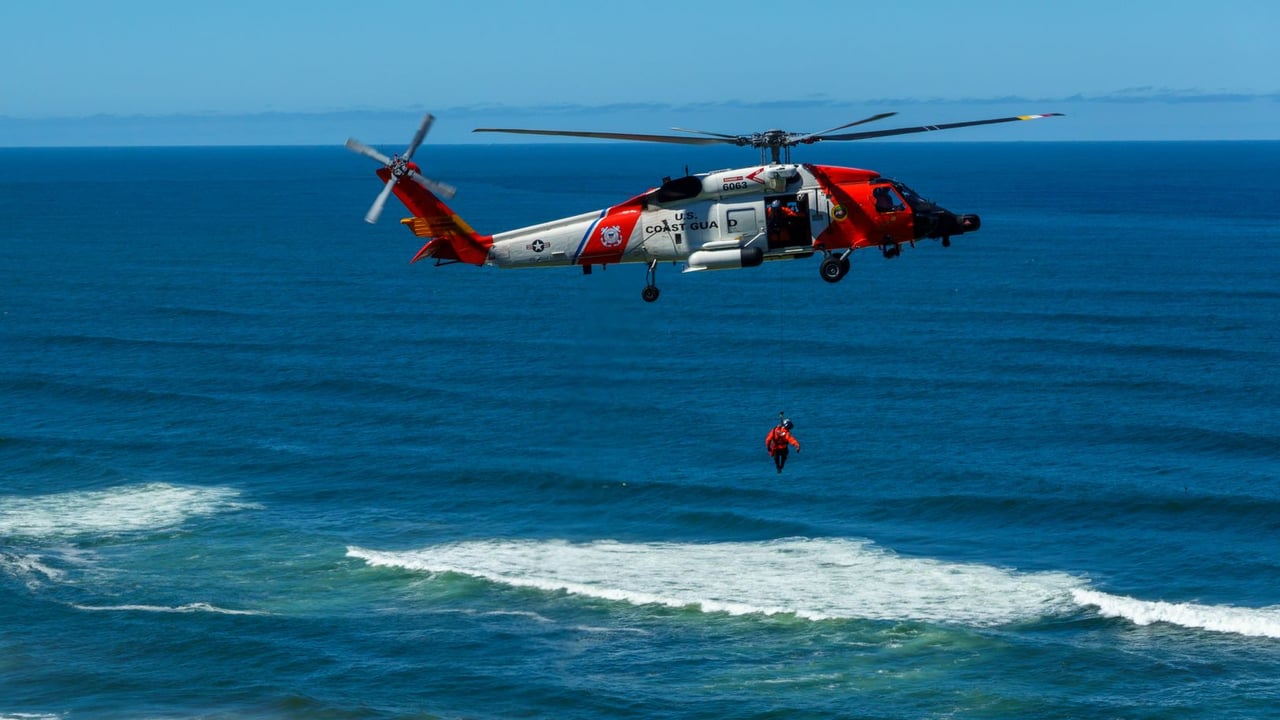
Dramatic coast guard helicopter rescue operation over the ocean waves.

Key Takeaways

  • 1A Seahawk helicopter from the USS George H.W. Bush conducted an emergency water landing in the Arabian Sea on July 1.
  • 2Three crew members are in stable condition; one remains missing as search efforts continue.
  • 3The U.S. Navy states there is no evidence of hostile action, differentiating this from the June 9 Apache shootdown.
  • 4U.S. aircraft losses in the regional 'Operation Epic Fury' have reportedly reached 42 units as of May 2026.
  • 5The incident highlights the extreme operational strain on the U.S. Fifth Fleet during the current standoff with Iran.

Editor's
Desk

Strategic Analysis

The Seahawk's ditching illustrates a growing crisis of attrition for U.S. forces in the Middle East. While the Pentagon maintains the incident was non-hostile, the loss of 42 aircraft under the 'Operation Epic Fury' banner suggests that the combination of high-intensity patrolling and environmental wear is hollowing out carrier air wings. This 'gray zone' conflict with Iran creates a paradox: the U.S. must maintain a massive presence to deter escalation, yet that very presence facilitates a steady drain on high-value assets through accidents and localized skirmishes. As the ceasefire holds by a thread, the cumulative loss of hardware and experienced crews may eventually force a strategic reassessment of the U.S. footprint in the Arabian Sea.

China Daily Brief Editorial
Strategic Insight
China Daily Brief

On July 1, 2026, a U.S. Navy MH-60S Seahawk helicopter assigned to the USS George H.W. Bush carrier strike group conducted an emergency water landing in the Arabian Sea. While three crew members were successfully recovered and are currently in stable condition, a massive search and rescue operation remains underway for a fourth missing sailor. This incident marks another blow to American naval operations in a region where the environment is as unforgiving as the political landscape.

U.S. Naval Forces Central Command has emphasized that there are currently no indications the ditching was caused by hostile activity. Investigators are looking into mechanical failure or pilot error as the primary drivers behind the mishap. This distinction is vital for maintaining the precarious ceasefire currently in place between Washington and Tehran, following a period of intense localized violence.

The mishap occurs against the backdrop of 'Operation Epic Fury,' a sustained military campaign aimed at countering regional threats. Reports suggest that as of mid-May, the U.S. has lost a staggering 42 aircraft, including both fixed-wing and rotary units, during this operation. This high rate of attrition underscores the immense pressure placed on hardware and personnel maintaining a persistent presence in the Middle East's contested waters.

Just weeks prior, the fragile regional stability was tested when an Army AH-64 Apache was downed in the Gulf of Oman, an event that triggered American retaliatory strikes against Iranian assets. The current Seahawk incident, though seemingly accidental, adds to the cumulative fatigue of the Fifth Fleet. It serves as a stark reminder that even in the absence of direct combat, the operational tempo required for deterrence carries a significant and often lethal price tag.

Share Article

Related Articles

📰
No related articles found