
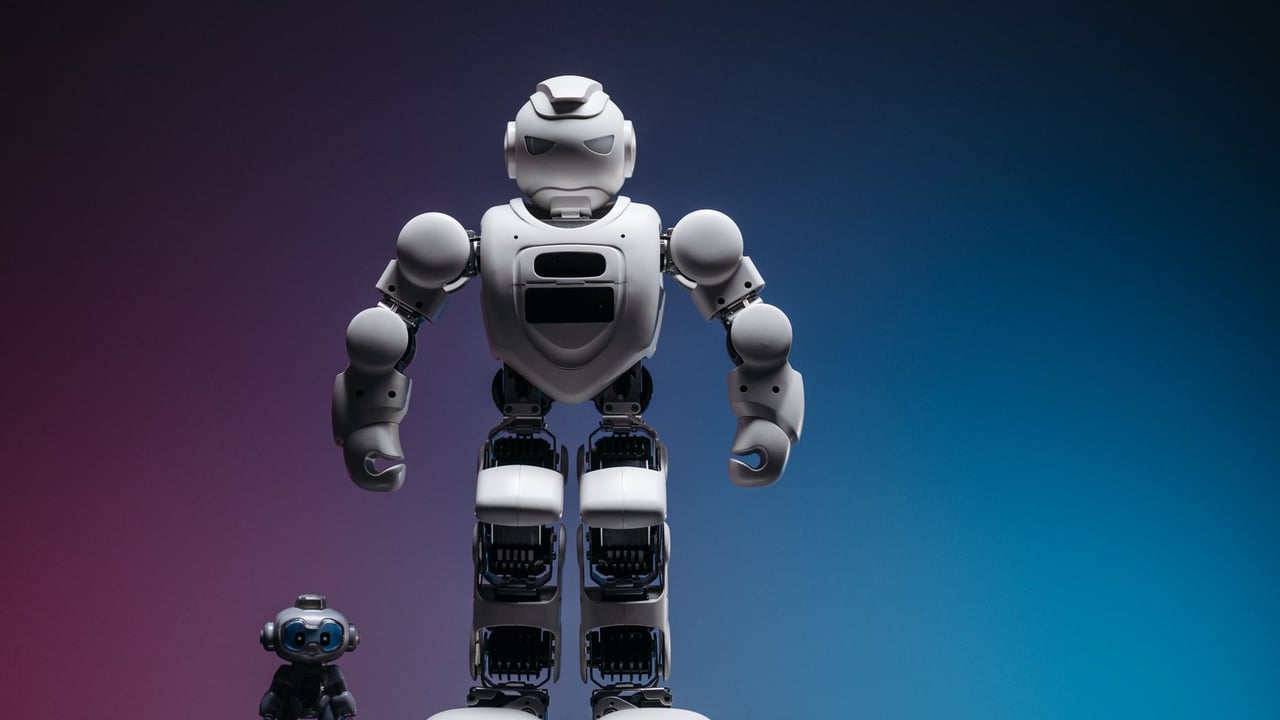

The boundary between biological connection and mechanical convenience is blurring in China, as two disparate industries—industrial robotics and adult retail—converge on a single, burgeoning market: the humanoid companion. In late June and early July 2026, industry pioneer UBTECH and veteran intimacy brand Chunshuitang both unveiled hyper-realistic companion robots, signaling that the 'loneliness economy' has graduated from virtual chatbots to physical, tactile presence. These machines are not merely toys; they represent a significant technological attempt to address the emotional deficit of a rapidly aging and increasingly atomized society.
UBTECH, often referred to as the 'first stock of humanoid robots,' launched its U世界 U1 series with a price range spanning from 119,800 to 990,000 RMB ($16,500 to $136,000 USD). Their high-end models prioritize 'spiritual companionship' through advanced Large Language Models (LLMs) that can memorize user habits and emotional triggers. While these robots can dance and exhibit nuanced facial expressions, UBTECH has notably deprioritized manual labor and autonomous walking in the entry models, focusing instead on the 'soul' of the machine.
Conversely, Chunshuitang has taken a more pragmatic, mass-market approach with products starting at a relatively accessible 15,800 RMB. Founder Lin Degang describes these robots as 'instant noodles'—a functional substitute for those starving for connection when a 'gourmet meal' of real human relationship is unavailable. By stripping away expensive locomotive functions that add little to the emotional experience, Chunshuitang is betting that the market values realistic tactile feedback and conversational empathy over the ability to walk.
This industrial pivot is fueled by stark demographic realities in China, where over 280 million adults are single and solo households have exceeded 127 million. As the market for AI-driven emotional companionship is projected to exceed 59 billion RMB by 2028, the arrival of physical humanoid forms represents the next frontier of the 'attachment economy.' The demand is no longer just for a tool to solve problems, but for a presence that acknowledges existence through sensory feedback and memory.
However, the rise of 'cyber-partners' has prompted swift intervention from Chinese regulators wary of the social consequences of machine dependency. New regulations taking effect in mid-July 2026 specifically prohibit AI services from 'over-catering' to users or inducing unhealthy emotional reliance. This legal framework seeks to draw a hard line between robots as a supportive 'harbor' and robots as a 'refuge' from the complexities of real human interaction, ensuring that technology supplements rather than replaces the social fabric.