
Business & Industry News
Latest business & industry news and updates

China's Renewable Hydrogen Capacity Exceeds 1.4 Million Tonnes
A National Energy Administration report highlights rapid expansion in green hydrogen projects and midstream transport infrastructure.
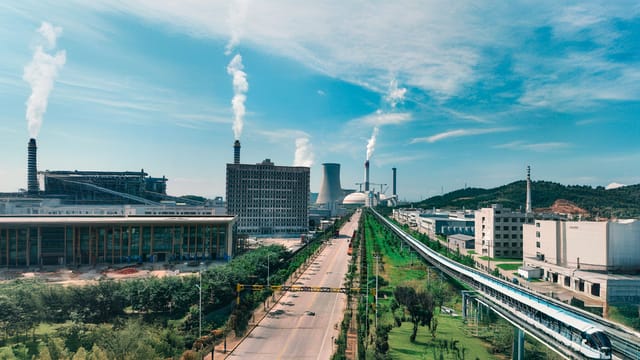
China's Monthly Power Consumption Tops One Trillion Kilowatt-Hours in July
Electricity usage reached 1.04 trillion kilowatt-hours in July, driven by surging demand from electric vehicle charging and internet data services.

China Reports 2026 Early Rice Output of 28.29 Million Tonnes, Down 0.8%
Sown acreage saw a slight increase to 4.74 million hectares, while lower per-unit yields trimmed overall production.

Pinglu Canal Begins Live-Ship Navigation Trials Ahead of Planned September Opening
Four test vessels are conducting complex maneuvers and lock transits across the 134-kilometer waterway linking southwestern China to the sea.

Dispute Escalates at Chipmaker HiWafer Over Control and Company Seals
Reports emerge of a physical confrontation over corporate seals as internal tensions escalate at Chinese semiconductor firm HiWafer.

Evergrande Founder Hui Ka Yan Sentenced to Life in Prison by Shenzhen Court
Shenzhen court sentences Hui Ka Yan to life imprisonment and fines Evergrande affiliates 15.82 billion yuan following first-instance fraud trials.
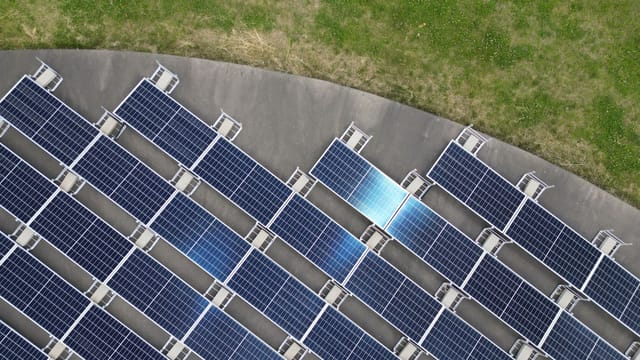
Chinese Clean Energy Suppliers See Surge in Middle East Infrastructure Demand
Modular construction speeds and robust supply chains accelerate Middle Eastern procurement of Chinese solar, wind, and grid equipment.

China's Offshore Engineering Orders Rise 121.9% as Global Share Tops 80%
First-half figures released by the Ministry of Natural Resources point to rapid expansion in high-end offshore wind and oil equipment.
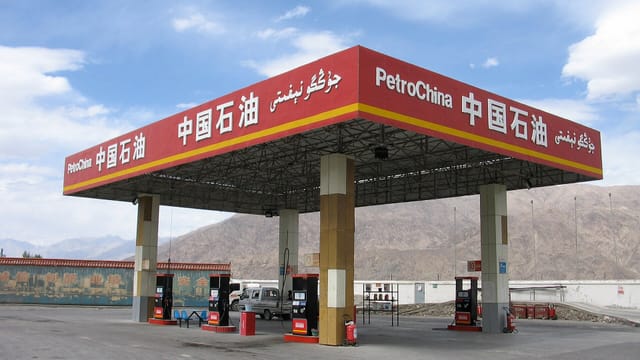
PetroChina Starts Up Country's Largest Associated Gas Processing Station
A newly added 1.5-million-cubic-meter unit at Xinjiang Oilfield expands total daily capacity to 3.9 million cubic meters.

Chinese Private Firms Accelerate Upgrades in Advanced Manufacturing and AI
Enterprises across precision instruments, consumer robotics, and autonomous driving target overseas expansion and core component localization.

China's July Leading Indicators Signal Pickup in Spending and Tech Investment
High-frequency data shows offline payments, home appliance sales, and digital infrastructure bids expanded in July amid policy support.

China Expands Employment Opportunities Through Emerging Service Consumption
Surging demand for eldercare, childcare, and automotive aftermarket services is driving the emergence of specialized new job categories across China.