
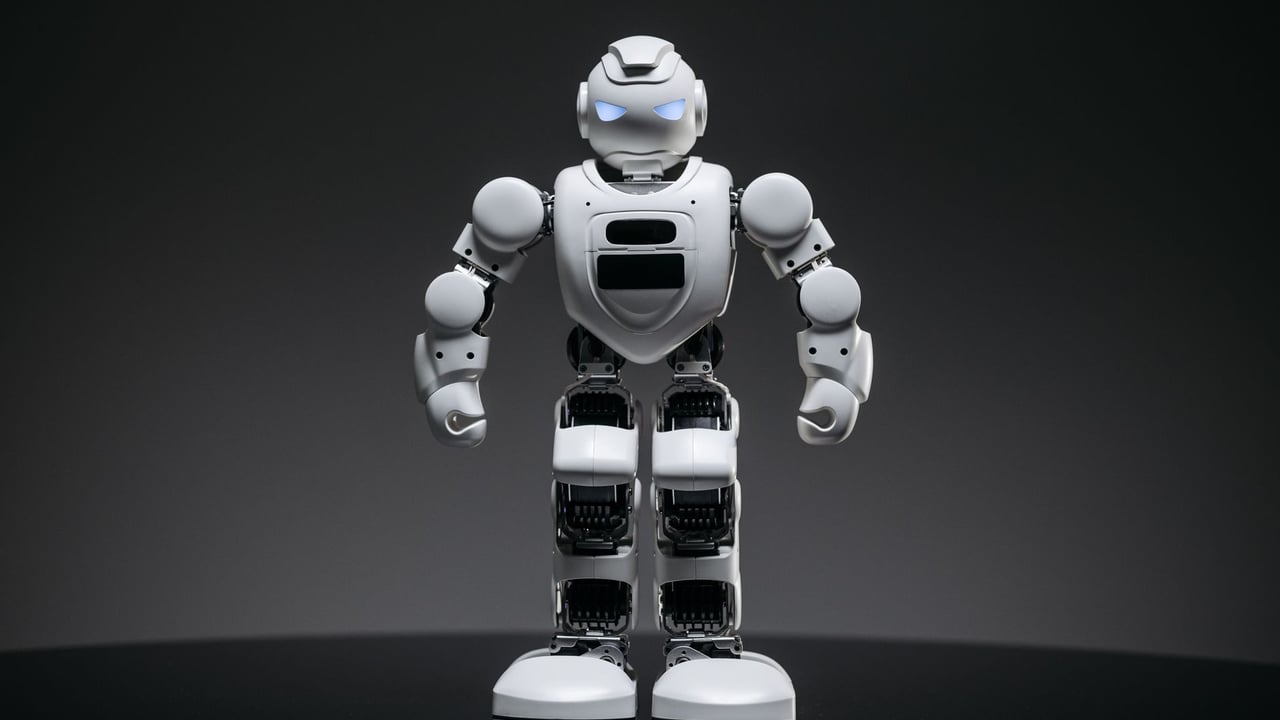

Shenzhen’s UBTECH, often hailed as the 'first stock of humanoid robots,' recently unveiled its U1 series of bionic humanoids, signaling a bold transition from industrial utility to high-end consumer companionship. The launch event in Shenzhen introduced three tiers of the U1 model, with prices ranging from a modest 119,800 RMB to a staggering 990,000 RMB for the top-spec 'Ultra' version. This pricing strategy places UBTECH at the vanguard of a luxury market that attempts to merge advanced robotics with domestic intimacy.
The market response was immediate and overwhelming, with the company reporting over 13,000 pre-orders, a figure that dwarfs its total 2025 sales of just over 1,000 units. This surge in demand suggests a growing appetite for 'embodied AI'—robots that do not just compute, but interact. The U1 series boasts 88 degrees of freedom and a proprietary 'Resonance-LM' model designed to simulate emotional intelligence, offering users a digital companion with memory and personality.
However, the gap between sleek marketing renders and mechanical reality has already sparked a wave of skepticism among early observers. Critics at the launch event noted that the physical units exhibited jerky movements and lacked the aesthetic polish promised in promotional videos. Furthermore, despite the high price tag, the robots remain limited to 'companionship' and 'social assistance' rather than performing the manual domestic labor that many consumers still associate with the future of robotics.
Financially, UBTECH remains a study in contradictions, characterized by skyrocketing revenue but persistent net losses. While the company saw a 53% revenue jump in 2025 driven by its humanoid division, it has burned through billions of yuan in research and development over the past five years. The current order backlog represents a potential windfall of over 1.6 billion RMB, but delivering these units poses a significant logistical hurdle for a firm whose annual capacity currently sits at roughly 6,000 units.
To bridge this gap, CEO Zhou Jian has set an ambitious target of 50,000 units for 2026, aiming to prove that humanoid robots can scale beyond the factory floor. The company’s pivot represents a broader trend in the Chinese tech sector, where firms are increasingly looking to monetize 'human-machine symbiosis' before the hardware has fully caught up with the software’s promises. Whether UBTECH can refine its hardware to match its ambitious vision will determine if it remains a market leader or a cautionary tale of over-hyped technology.