
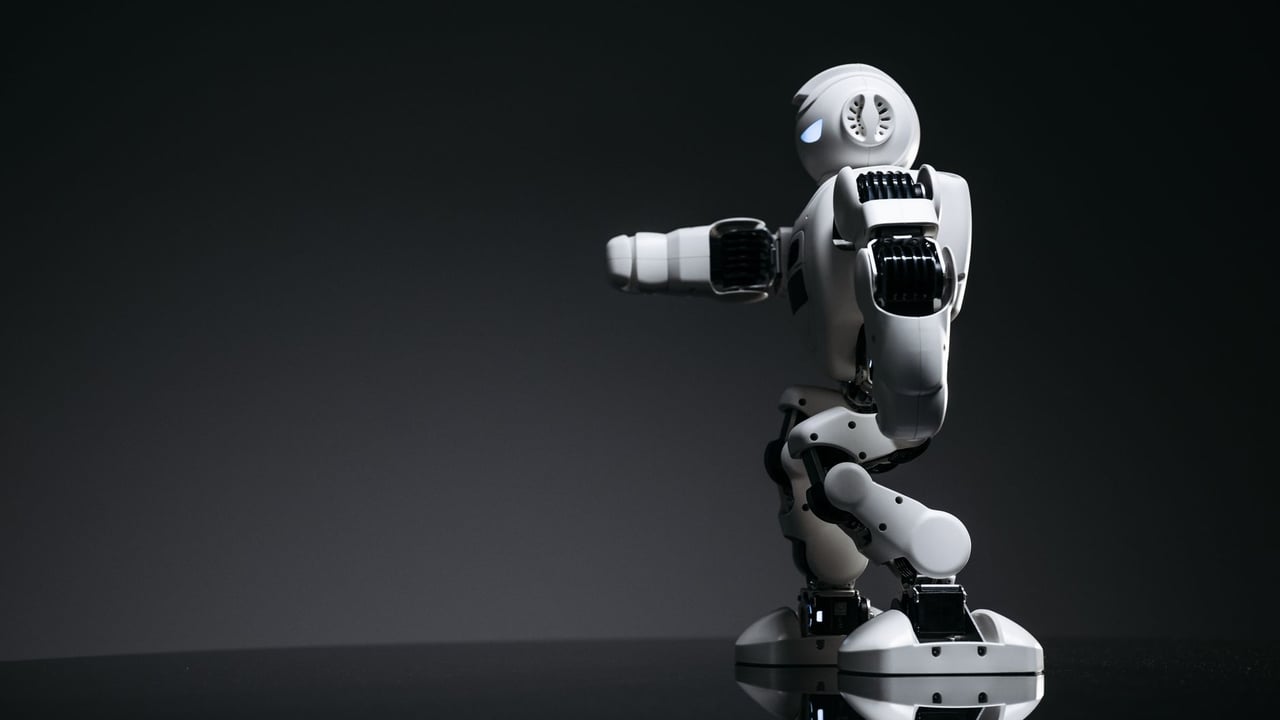

China’s technology sector is shifting its focus from digital-only software to the realm of 'embodied intelligence,' where generative AI meets physical robotics. This transition was marked recently by the opening of Shanxi Province’s first 6S robotics center, a comprehensive hub designed to bridge the gap between lab-based prototypes and large-scale industrial applications. From commercial services to specialized bionic training, the push for humanoid robotics is no longer a futuristic concept but a rapidly maturing supply chain priority.
The investment landscape is following this hardware pivot with massive capital injections. Kuaishou’s video generation model, Kling AI, recently secured nearly $3 billion in financing, reaching a staggering $18 billion valuation. This capital is being used to refine the 'brain' of future robots, as multi-modal large models become the foundational software required for machines to perceive and interact with the physical world in real-time.
Supporting this robotic evolution is a resurgence in China’s 'industrial mother machine' sector. Advanced machine tools and 3D printing technologies are seeing explosive growth, with 3D printer exports surging over 100% in value this year alone. Analysts suggest that as AI server construction and liquid cooling infrastructure expand, the demand for precision-engineered components is creating a feedback loop that strengthens China’s broader manufacturing sovereignty.
This industrial momentum is occurring against a backdrop of global semiconductor tightness, highlighted by ASML’s upward revision of its revenue guidance. As global chipmakers scramble to meet AI demand, China is positioning itself to capture the equipment and materials end of the spectrum. This includes aggressive supply-side reforms in the rare earth sector, where price stabilization is being leveraged to support the domestic magnetic material industry critical for robotic actuators.
Ultimately, the convergence of high-end manufacturing and generative AI represents Beijing’s most ambitious play for technological self-reliance. By integrating massive software models like Kling with a world-class mechanical supply chain, China aims to lead the next industrial revolution. The goal is to move beyond the screen and into the factory, ensuring that the next generation of 'Physical AI' is built on a foundation of Chinese hardware and data.