

The Chinese automotive landscape is undergoing a profound structural shift as high-performance chassis technology and flagship-level intelligent systems migrate from luxury halo cars to the mass-market mainstream. This week's launches from Lynk & Co, BYD, and XPeng signal a new phase of competition where advanced hardware, once the exclusive domain of top-tier brands, is being commoditized at aggressive price points. The traditional hierarchy of the premium segment is being challenged not just by electric powertrains, but by the democratization of sophisticated driving dynamics.
Lynk & Co’s pre-sale launch of the 07GT shooting brake exemplifies this trend, bringing four-wheel drive and Magnetorheological (MRC) suspension to a price band below 210,000 RMB. Historically, such specialized suspension systems were reserved for high-end performance vehicles, but Lynk & Co is utilizing this hardware to carve out a niche in the growing 'lifestyle' wagon market. This move suggests a strategic pivot to consolidate the brand's identity as a performance leader within the Geely ecosystem while countering the rising popularity of competitors like Zeekr.
Meanwhile, BYD has intensified the pressure on the executive sedan market with the formal debut of the Seal 08. By integrating its 'Yun-nian' active body control and rear-wheel steering into a flagship priced as low as 196,900 RMB, the Chinese giant is effectively undercuting the value proposition of legacy European B-segment and C-segment rivals. The Seal 08 represents a calculated risk for BYD, as it provides a high-spec alternative that may inadvertently cannibalize sales from its own more expensive sub-brands, such as Denza.
In the mainstream SUV segment, XPeng’s MONA L03 is attempting to redefine the 150,000 RMB bracket through sheer computing power. Equipped with a Turing AI chip capable of 1500 TOPS, the L03 focuses on bringing Level 2+ assisted driving to young families who have traditionally been priced out of high-end autonomous features. This launch is critical for XPeng as it seeks to prove that the success of its budget-oriented MONA series can extend beyond sedans and into the hyper-competitive SUV territory where brand loyalty is often dictated by cost-to-performance ratios.
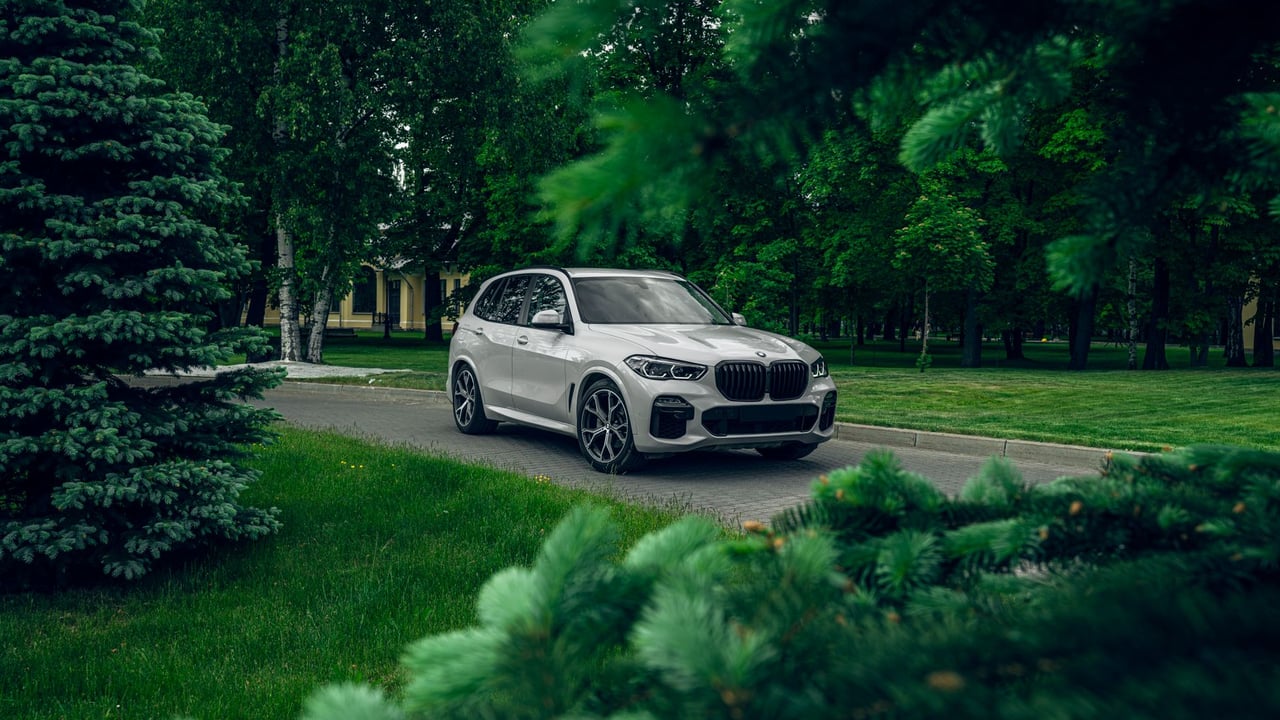
Against this backdrop, BMW’s unveiling of the fifth-generation X5 serves as a defensive masterstroke for the old guard. By introducing the 'Neue Klasse' design language and, for the first time, offering a pure electric iX5 alongside internal combustion and hybrid variants, BMW is attempting to maintain its hegemony in the luxury SUV space. However, as Chinese domestic brands increasingly offer 'full-spec' vehicles for half the price of an X5, the Bavarian automaker faces the difficult task of justifying its premium badge through driving refinement and brand equity alone in a market that now prioritizes digital ecosystems and rapid tech iterations.