
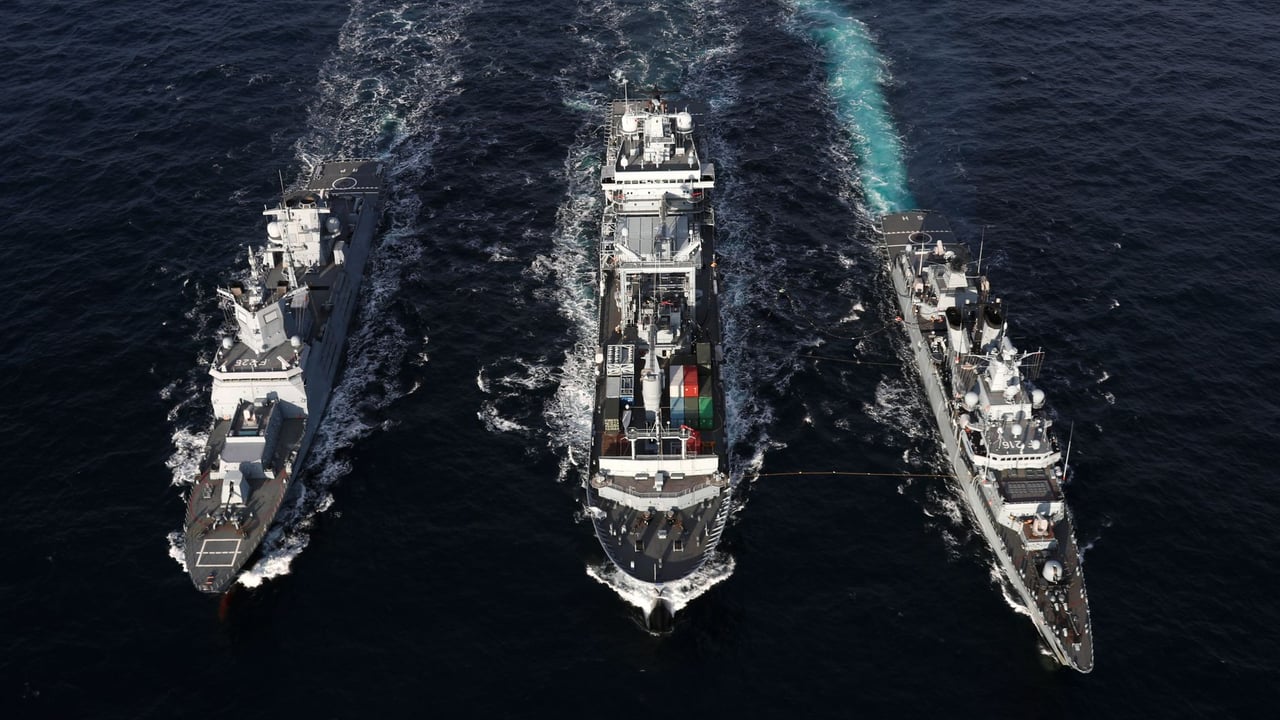

The arrival of the Varyag in Qingdao marks a significant moment in the evolving security architecture of the Western Pacific. As the flagship of Russia’s Pacific Fleet, the Slava-class cruiser’s presence for the Joint Sea-2026 exercises signals a deepening interoperability between Moscow and Beijing that extends far beyond mere diplomatic rhetoric.
This latest iteration of the long-standing bilateral drills comes at a time of heightened regional tensions, where both nations find common ground in challenging the Western-led maritime order. By congregating in the historic naval hub of Qingdao, the two powers are demonstrating a functional military alignment that increasingly mirrors the sophisticated coordination of traditional treaty alliances.
For Beijing, these exercises provide a platform to refine blue-water capabilities alongside a partner with significant historical combat experience. The inclusion of high-tonnage Russian assets like the Varyag offers the People's Liberation Army Navy an opportunity to practice complex fleet maneuvers and anti-submarine warfare within its own maritime backyard.
For Moscow, the deployment is a vital display of its pivot to the East, proving that despite its ongoing focus in Europe, its Pacific capabilities remain potent and relevant. It serves as a stark reminder to Tokyo and Washington that the Russian presence in Northeast Asia is not merely residual but is actively integrated into a broader strategic partnership with China.