
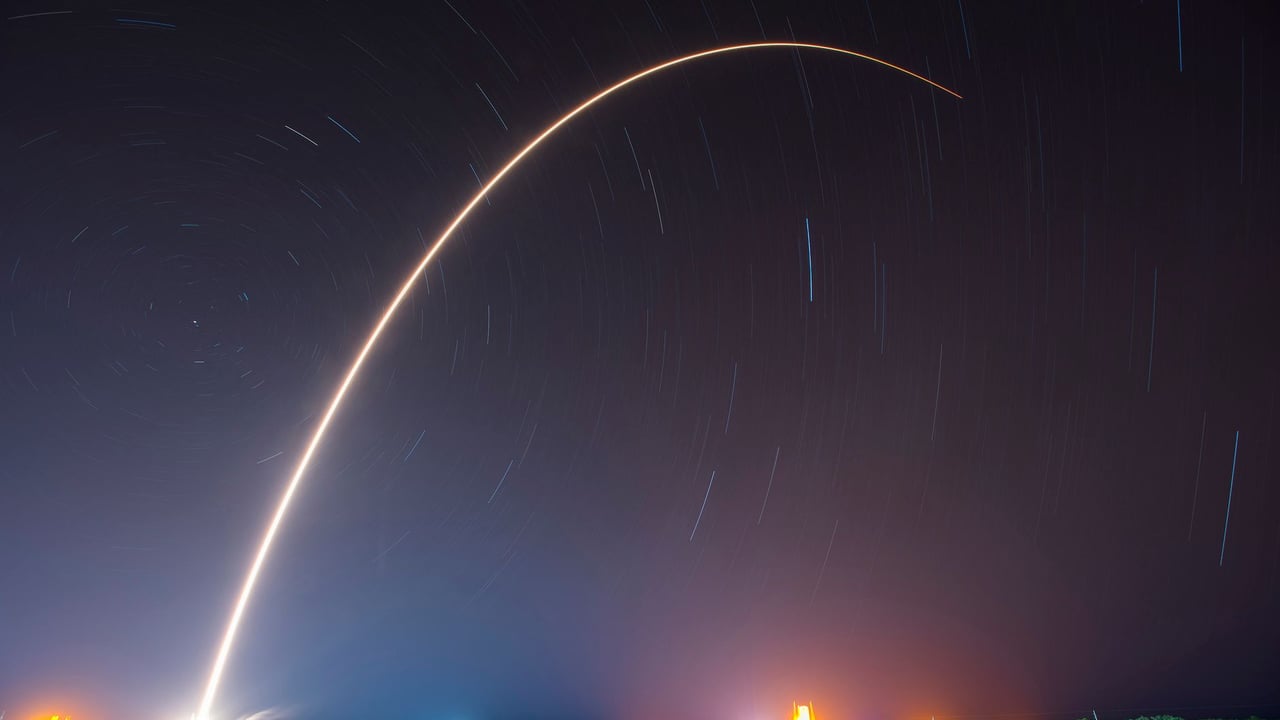

China is poised to advance its reusable rocket capabilities with the maiden flight of the Long March 10B, scheduled to launch between July 10 and July 13. Departing from the Wenchang Commercial Aerospace Launch Site, the mission is not merely a test of lift capacity but a demonstration of a proprietary recovery system. The flight aims to validate a world-first "sea-based mesh recovery" technology, a move that signals Beijing’s intent to diverge from Western landing methodologies.
While SpaceX has revolutionized the industry through retro-propulsive vertical landings on autonomous drone ships, the Long March 10B’s approach suggests a different engineering philosophy. By utilizing a sea-based net or mesh system to capture the first stage, Chinese engineers may be seeking to reduce the margin of error required for pinpoint landings. If successful, this technology could significantly lower the cost of orbital delivery and increase the turnaround frequency for China's burgeoning commercial sector.
This launch comes at a critical juncture in the global space race, which has evolved from a competition over rocket specifications to a battle for integrated aerospace infrastructure. Recent market shifts, including the capitalization of major Western aerospace entities, have created a "closed-loop" ecosystem that spans low-cost launches to AI-driven satellite operations. China is currently in an intensive "catch-up" phase, characterized by policy systematization and the mass production of both rockets and satellites.
The deployment of the Long March 10B is essential for alleviating the current "transport capacity bottleneck" facing Chinese telecommunications. As Beijing moves forward with its own massive satellite constellations to rival Starlink, the ability to recover and reuse first-stage boosters becomes a strategic necessity. The Wenchang commercial site, specifically designed for these high-cadence missions, represents the physical infrastructure of China's new space economy.