Ghosts of the Chemical Front: New Archives Reopen the Dark History of Japan’s Wartime Unit 516

The Chinese government has released a new set of archives documenting the chemical warfare crimes committed by the Imperial Japanese Army's Unit 516. These records provide specific evidence of systemic atrocities and reinforce Beijing's calls for Japan to confront its wartime legacy.

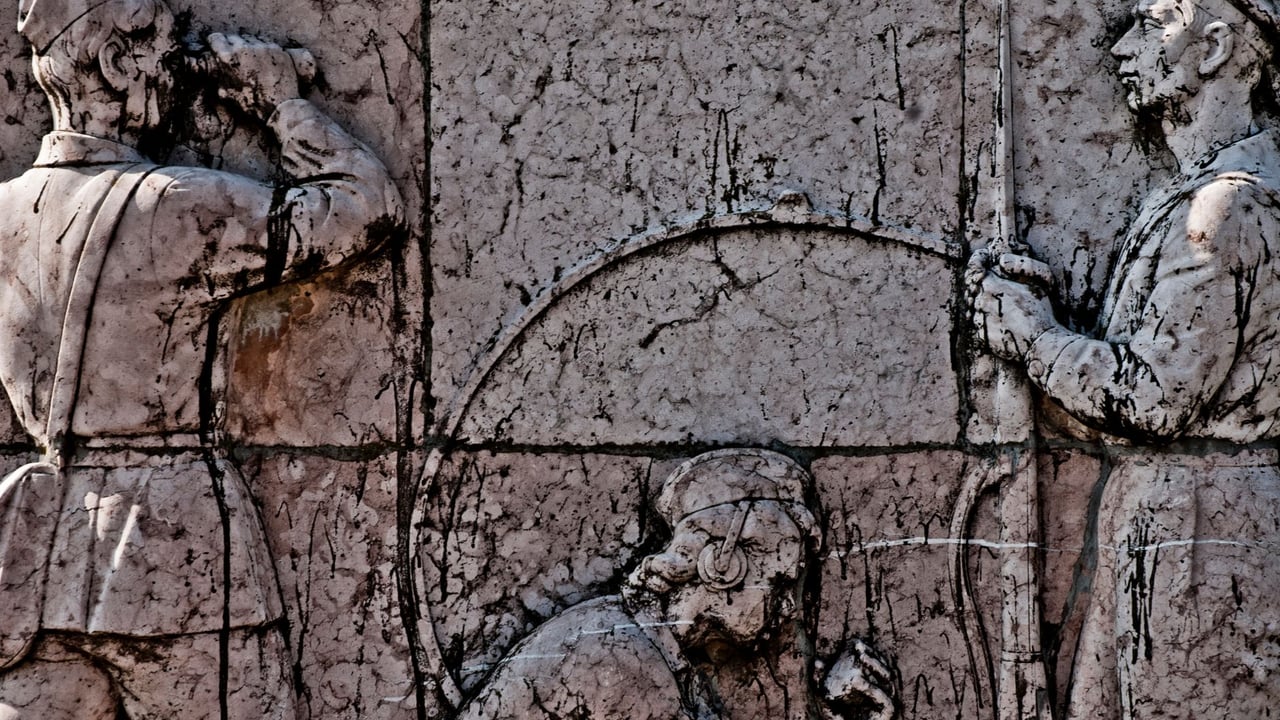
Detailed relief sculpture depicting soldiers on a monument in Budapest, Hungary.

Key Takeaways

  • 1China releases detailed archives documenting the systematic chemical warfare operations of Unit 516.
  • 2The records provide evidence that chemical weapon deployment was a centralized, state-sanctioned military strategy.
  • 3Unit 516 functioned alongside the more infamous Unit 731, specializing in mustard gas and other toxic agents.
  • 4The disclosure serves a dual purpose of historical documentation and diplomatic pressure on Japan.

Editor's
Desk

Strategic Analysis

The strategic release of wartime archives remains a cornerstone of China's 'memory diplomacy.' By periodically refreshing the public record with granular evidence of Imperial Japanese atrocities, Beijing successfully frames the current regional security architecture through the lens of historical grievances. This tactic serves as a counter-narrative to Japan's push for military normalization, reminding both domestic and international audiences of the potential consequences of unfettered militarism. Furthermore, these archives are instrumental in the ongoing legal and environmental battles over the remediation of abandoned chemical weapons, a process that continues to strain bilateral relations decades after the conflict's end.

China Daily Brief Editorial
Strategic Insight
China Daily Brief

China has unveiled a fresh cache of historical documents detailing the operations of Unit 516, the Imperial Japanese Army’s notorious chemical warfare division. This disclosure marks a significant addition to the evidentiary record of Japan’s biological and chemical campaign during the Second Sino-Japanese War. The archives, released by researchers in Heilongjiang province, offer a chillingly granular look at the logistics and deployment of toxic agents.

While Unit 731 has long occupied the center of the world's collective memory regarding Japanese war crimes, Unit 516 played an equally devastating role from its base in Qiqihar. These newly public records suggest a systematic approach to chemical weaponry that integrated research with direct battlefield application. Experts argue that the documents dismantle any remaining narratives of "unauthorized" or "rogue" actions by low-level commanders.

The timing of this release coincides with ongoing tensions in the Asia-Pacific, where the "history wars" remain a potent geopolitical tool. For Beijing, documenting these atrocities is not merely a task of historical preservation but a means of reinforcing national identity and asserting moral authority on the global stage. By surfacing these records, China continues to press Tokyo for more comprehensive historical accountability and reparations.

Beyond the historical debate, the legacy of Unit 516 persists in the physical landscape of Northeast China, where abandoned chemical shells continue to pose environmental risks. These archives provide crucial data that could assist in identifying and neutralizing lingering toxic sites. Ultimately, the files serve as a stark reminder that the wounds of the mid-20th century are far from healed in the contemporary geopolitical imagination.

Share Article

Related Articles

📰
No related articles found