The High Cost of Vigilance: US Navy Suspends Search for Sailor in the Arabian Sea

The U.S. Navy has suspended its 102-hour search for a missing sailor following an MH-60S Seahawk emergency landing in the Arabian Sea. Despite a joint-force effort covering 14,000 square miles, the mission has shifted from active search to recovery, highlighting the operational risks of carrier deployments in the Middle East.

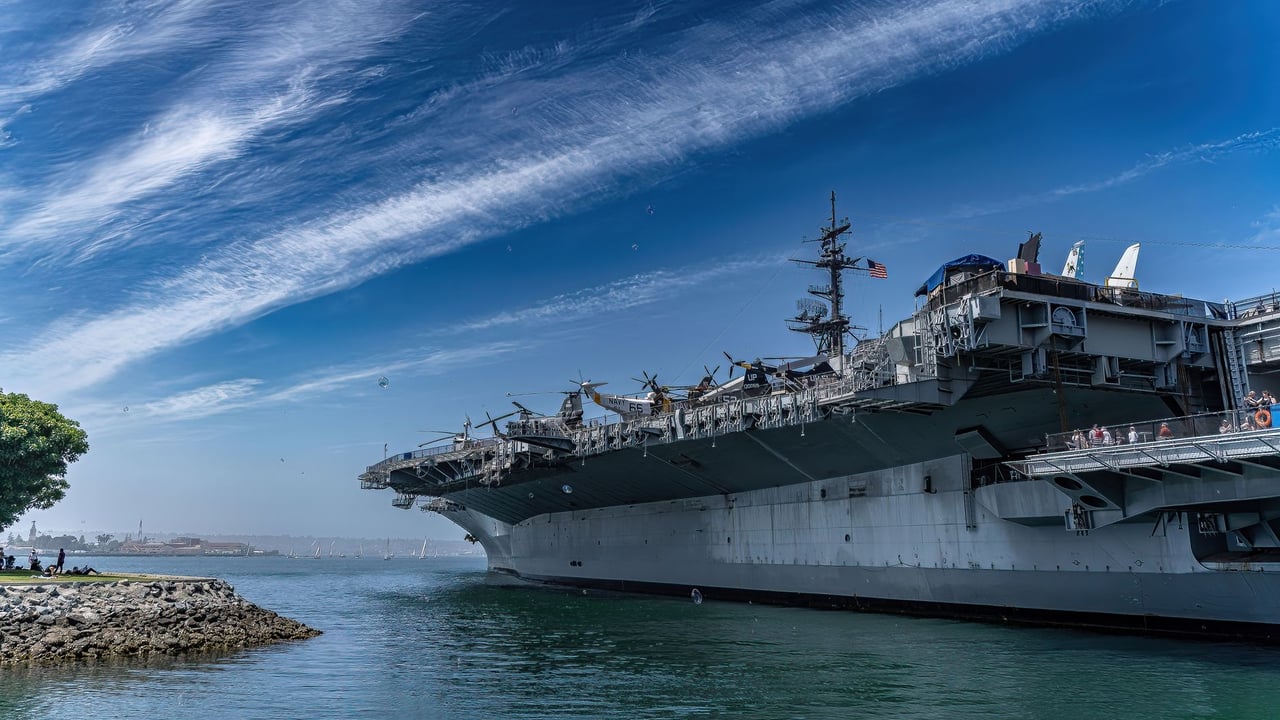
USS Midway Museum ship docked in San Diego harbor on a clear day, showcasing naval history.

Key Takeaways

  • 1U.S. Navy and Air Force conducted a 102-hour search covering 14,000 square miles before suspending active efforts.
  • 2The missing sailor is a member of Helicopter Sea Combat Squadron 5 (HSC-5) stationed on the USS George H.W. Bush.
  • 3The incident involved an MH-60S Seahawk helicopter performing an emergency water landing on July 1, 2026.
  • 4The suspension of the search marks a shift from a rescue mission to a recovery and investigative phase.
  • 5The event highlights the continuous operational strain and risks faced by U.S. forces in the Arabian Sea.

Editor's
Desk

Strategic Analysis

This incident illuminates the reality of 'operational attrition' that often goes unnoticed in the broader geopolitical discourse. The presence of the USS George H.W. Bush strike group in the Arabian Sea is a strategic necessity for U.S. power projection against regional adversaries and for the protection of sea lines of communication. However, the high-tempo nature of carrier aviation, combined with the harsh environmental conditions of the Middle East, creates a baseline of risk that exists independently of enemy action. As the U.S. military continues to pivot resources globally, maintaining such a resource-intensive presence in CENTCOM's waters continues to demand a high price in both financial and human capital.

China Daily Brief Editorial
Strategic Insight
China Daily Brief

The U.S. Navy has officially ended its active search for a sailor missing since a helicopter mishap in the Arabian Sea on July 1, 2026. After 102 hours of intensive joint operations covering more than 14,000 square miles, U.S. Naval Forces Central Command announced the transition to recovery efforts on the afternoon of July 5. The missing service member was assigned to Helicopter Sea Combat Squadron 5 (HSC-5), currently deployed aboard the Nimitz-class aircraft carrier USS George H.W. Bush (CVN 77).

The incident occurred when an MH-60S Seahawk helicopter was forced to conduct an emergency water landing. While the specific cause of the landing remains under investigation, such incidents highlight the persistent hazards of maritime aviation within the high-stakes environment of the Middle East. The Arabian Sea serves as a critical corridor for global energy supplies and a frequent flashpoint for regional tensions, requiring the U.S. to maintain a constant, high-readiness presence.

This massive search effort involved a coordinated response from both the U.S. Navy and the U.S. Air Force, operating within the U.S. Central Command (CENTCOM) area of responsibility. Despite the scale of the assets deployed, the vast and often unforgiving conditions of the Arabian Sea proved an insurmountable obstacle to the initial rescue mission. The transition to a recovery phase marks a somber moment for the George H.W. Bush Carrier Strike Group as it continues its mission in the region.

The loss underscores the inherent risks of "non-combat attrition" that plague modern naval deployments. Even in the absence of direct kinetic conflict, the technical and physical demands of maintaining a carrier strike group in remote waters take a steady toll on personnel and equipment. For the Pentagon, such incidents are a reminder of the human price paid to maintain maritime stability and deterrence in one of the world's most volatile maritime theaters.

Share Article

Related Articles

📰
No related articles found