
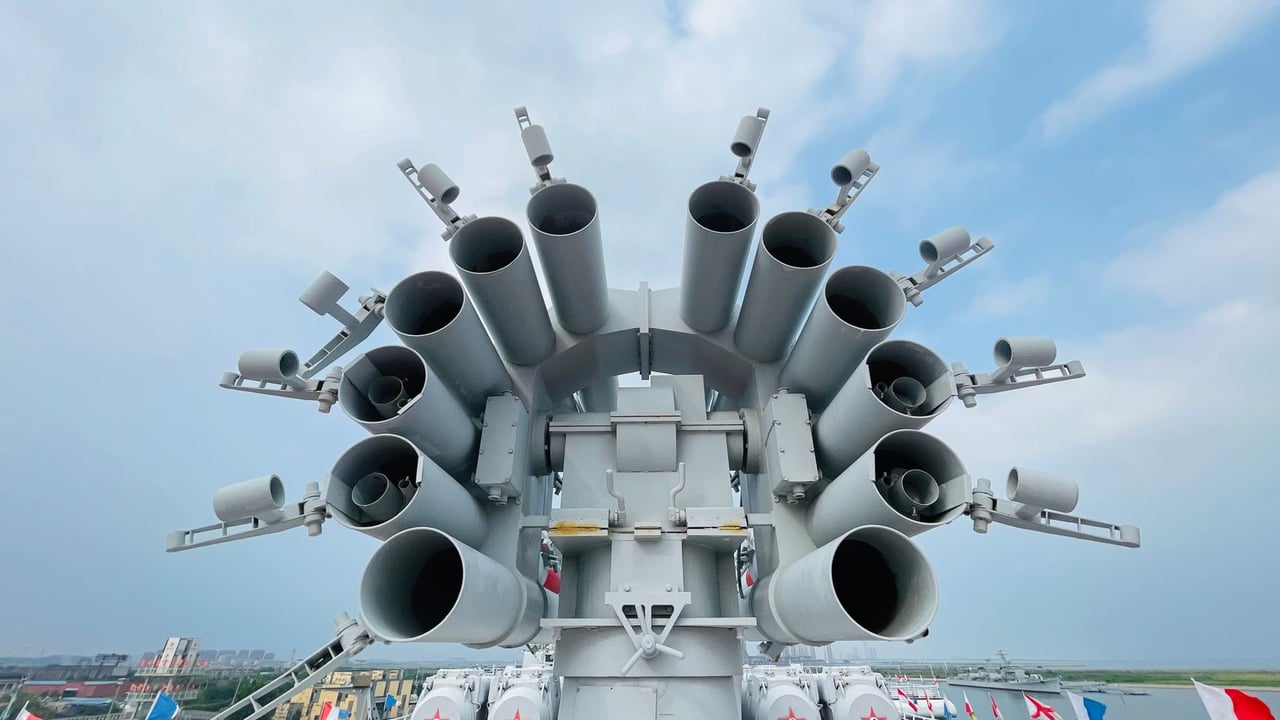

The arrival of a Russian naval fleet at the strategic port of Qingdao on July 5 marks the formal commencement of the 'Joint Sea-2026' exercises. This latest iteration of the long-standing bilateral drill signifies the full assembly of combat forces, setting the stage for one of the year's most significant displays of maritime cooperation between Beijing and Moscow. As the Russian vessels docked at the People’s Liberation Army (PLA) Navy base in Shandong province, they were met with a high-profile welcoming ceremony that underscored the political weight attached to these maneuvers.
Qingdao, the headquarters of the PLA Navy’s Northern Theater Command, serves as a fitting backdrop for an exercise that has moved far beyond its initial status as a symbolic exchange. Over the past decade, these drills have evolved into complex simulations of real-world naval combat, featuring sophisticated anti-submarine warfare, air defense, and joint search-and-rescue operations. By hosting the Russian fleet in such a sensitive hub, Beijing is signaling a level of trust and operational intimacy that challenges traditional notions of non-alliance partnerships.
The geopolitical timing of 'Joint Sea-2026' is unmistakable. As Western powers strengthen their presence in the Indo-Pacific through frameworks like AUKUS and the Quad, Beijing and Moscow are increasingly seeking to demonstrate a credible counter-weight. These exercises allow both navies to refine their interoperability and command-and-control structures, ensuring they can operate as a cohesive force should regional tensions escalate into maritime confrontation.
While the official rhetoric remains focused on regional stability and maritime security, the underlying message is aimed at a global audience. The 'no limits' partnership between Xi Jinping and Vladimir Putin is being operationalized on the water, transforming shared grievances against the Western-led order into tangible military capability. For defense planners in Washington and Tokyo, the assembly of this joint fleet in the Yellow Sea represents a deepening challenge to the prevailing maritime security architecture in the North Pacific.