
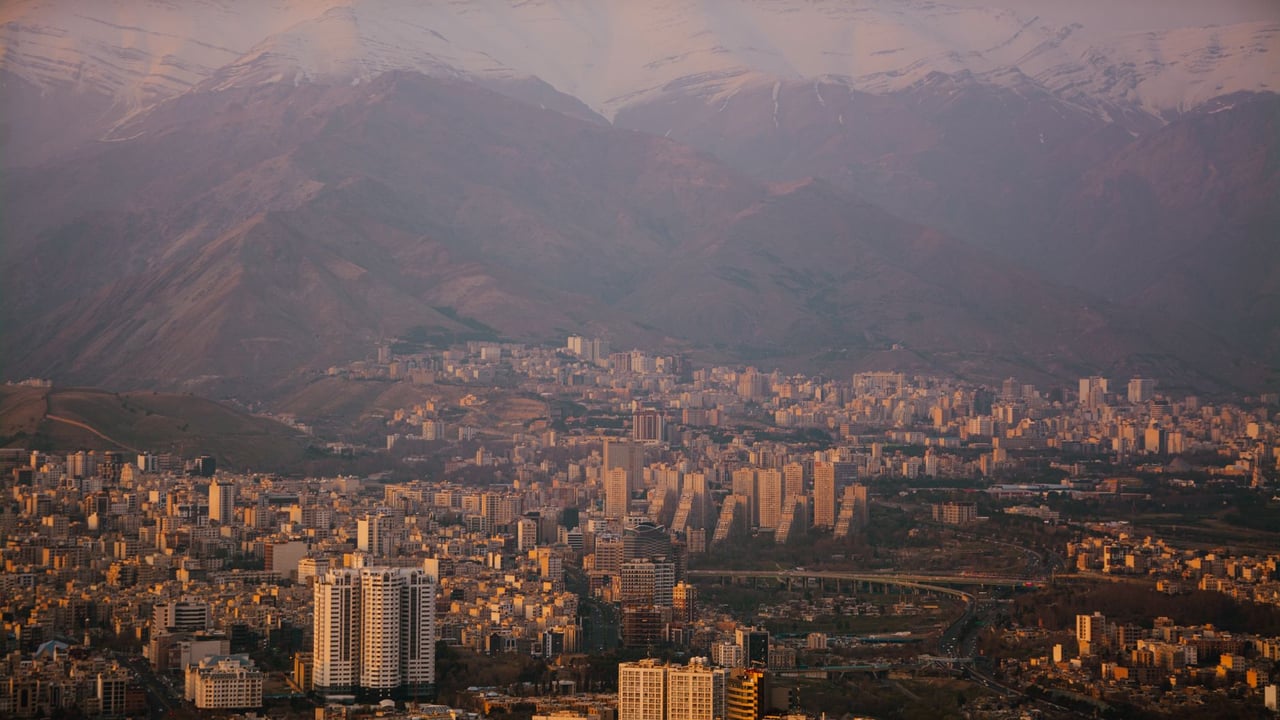

The streets of Tehran were transformed into a sea of black and green as Iran bid a final farewell to its long-serving Supreme Leader. At the Imam Khomeini Mosque, the air was thick with the scent of incense and the synchronized roar of 'Down with America' and 'Down with Israel.' This was not merely a funeral, but a choreographed display of national resolve intended to signal that the Islamic Republic's pillars remains unshaken despite the loss of its ideological anchor.
While the state media framed the event as a 'farewell of the whole nation,' the underlying message was one of strategic defiance. Analytical circles noted that the funeral served as a critical platform for the regime to reaffirm its commitment to the 'Axis of Resistance.' By broadcasting images of mourners from Iraq, Lebanon, and Palestine, Tehran aimed to prove that its regional influence survives the man who spent decades cultivating it.
However, a conspicuous void sat at the heart of the ceremony. Mojtaba Khamenei, the son of the late leader and a figure long whispered to be a potential successor, was notably absent from the prayer proceedings. In previous high-profile funerals, such as those for President Raisi or Qasem Soleimani, the presence of the Supreme Leader was the defining ritualistic element. His absence now raises pressing questions about the internal mechanics of the looming succession battle.
President Pezeshkian attempted to project a sense of stability, declaring on social media that the flag of resistance 'will never fall.' His rhetoric sought to bridge the gap between the grief of the populace and the hope for a continued revolutionary path. Yet, the sheer scale of security—with a 40% increase in traffic into the capital and massive police deployments—underscored the regime's anxiety over maintaining order during this transition.
For many Iranians, the passing of Khamenei marks the end of a definitive historical epoch characterized by unprecedented sanctions and regional expansion. As the state media shifts its focus to 'blood for blood' slogans, the nation stands at a crossroads. Moving forward, the leadership must navigate a landscape of internal economic pressure and external military tensions without the singular, unifying authority that has defined Iranian policy for over three decades.